Living in a WWI Legacy Town: What Every New Resident Should Know About Texas’ Military History Influence
Published: 3 March 2026
By Martin Anderson
Special to the Doughboy Foundation website
Living in a WWI Legacy Town What Every New Resident Should Know About Texas’ Military History Influence
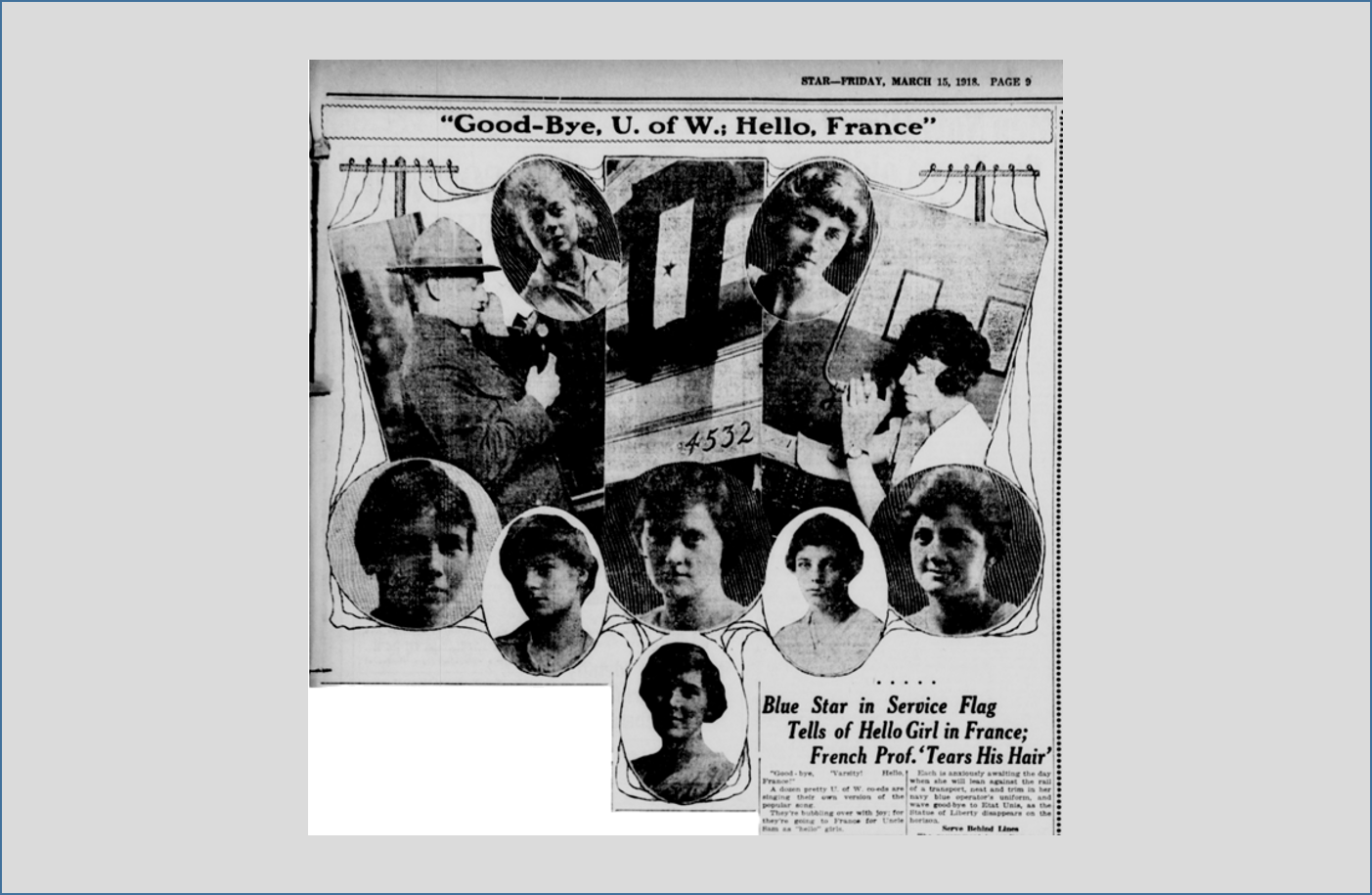
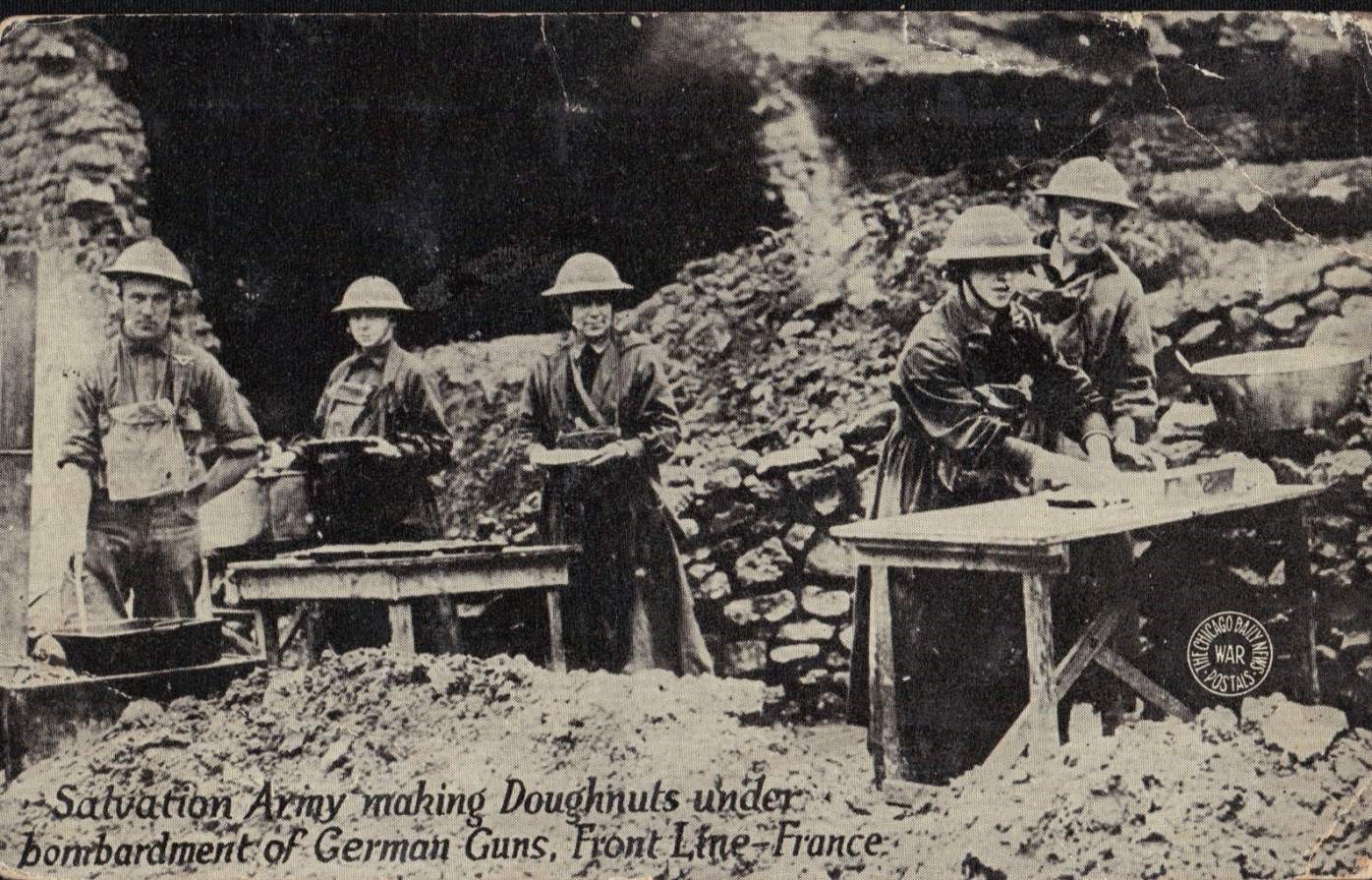
Texas significantly influenced the American war effort during World War I through its manpower, training grounds, and supply networks. The state hosted major camps that prepared thousands of soldiers for overseas combat. Communities near these camps grew at a rapid pace. Farms increased production to support troops, while rail lines carried equipment across the region. As a matter of fact, military demand pushed small towns toward long-term expansion. Business districts formed near camp gates, and new neighborhoods welcomed workers and families. For this reason, many residents today experience the lasting impact of that era. Living in a WWI legacy town means seeing history in daily routines, public spaces, and community traditions. Texas military history continues to shape identity, growth, and civic pride across generations.
Military Bases and Historic Camps That Built Modern Texas
World War I training grounds reshaped Texas communities and set the stage for long-term growth. Temporary camps, which were established in San Antonio, Houston and Waco, soon turned into lasting installations that influenced regional planning. Sites such as Camp Bowie trained thousands of soldiers and drew workers from nearby counties.
In San Antonio, Fort Sam Houston expanded into a major command center with medical and logistical units. Of course, infrastructure improvements followed as towns responded to rising demand. Crews built wider roads to move troops and supplies quickly. Rail lines connected camps to ports and factories across the state. Developers constructed new housing for officers, enlisted men, and civilian staff. Hence, many modern neighborhoods, highways, and commercial districts still reflect wartime planning decisions made over a century ago.
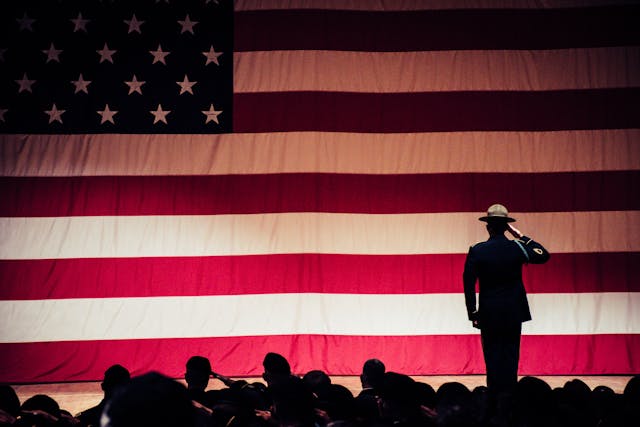
Camps like Camp Bowie and Fort Sam Houston guided urban planning and long-term community growth.
Architecture with a Story: WWI-Era Buildings Still Standing
Early twentieth-century buildings across Texas reflect wartime priorities and practical design. Barracks, supply depots, and administrative offices once housed soldiers and camp staff. Cities like Houston and Bonham later repurposed these spaces into schools, municipal buildings, and community centers. Also, historic districts protect drill halls and warehouses that served military operations. Preservation groups restore facades and maintain original layouts for public use. Residents appreciate these structures because they connect present-day routines to local military history. Guided tours explain how planners organized each building for efficiency. In contrast, rapid urban expansion has replaced some former camp areas with modern complexes. Even so, plaques and markers identify historic footprints. These landmarks help newcomers understand why some neighborhoods follow structured grids and traditional designs that reflect early twentieth-century military needs.
Economic Growth Rooted in Wartime Expansion
World War I stimulated economic growth across Texas towns. If you decide on living in a WWI legacy town, you can notice its effects nowadays. Farmers expanded production to feed soldiers and support federal contracts. Manufacturers increased the output of uniforms, weapons, and transport equipment. Rail networks improved to move goods efficiently across the state. Consequently, employment rates rose in Galveston and Corpus Christi, and income levels stabilized. Shops, boarding houses, and service businesses appeared near camps to support growing populations. City officials upgraded utilities, schools, and road networks to meet new demands. Nevertheless, communities faced challenges after troop levels dropped post-war. Many towns diversified their industries and invested in education to maintain steady economic growth. Today, commercial areas often follow former supply routes. Economic patterns formed during the war still influence employment centers, local markets, and property development throughout modern Texas towns.
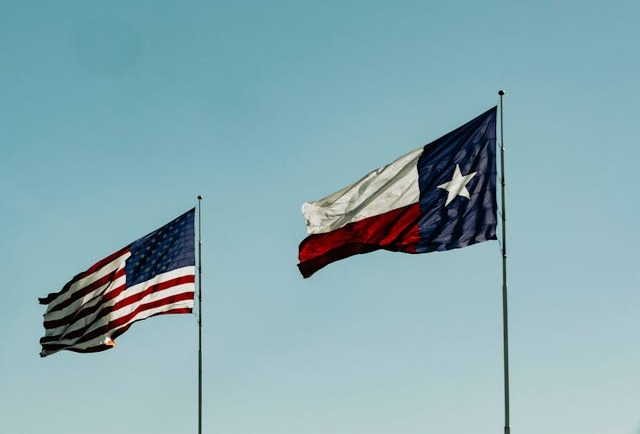
Living in a WWI legacy town highlights how wartime production and trade shaped long-term economic patterns.
Community Traditions and Moving to a WWI Legacy Town
Military heritage shapes traditions in many Texas towns. Residents organize parades, memorial services in Galveston, San Marcos, and San Antonio, and also school programs that honor service members. Local museums display letters, photographs, and uniforms from World War I. Towns promote respect, discipline, and public service in daily life. Volunteer groups engage in neighborhood projects and veteran support. Meanwhile, many newcomers study this background before relocating. You should choose to write a moving checklist for your Texas move and break it down to manageable steps. This approach ensures organized planning and informed relocation decisions. Learning about local history helps new residents connect with longtime neighbors. Participation in community events strengthens ties and preserves civic pride, linking past military contributions to modern town life.
Education and Museums Preserving the WWI Narrative
Texas communities maintain history through schools and museums. Programs teach students about local contributions during World War I. Exhibits display letters, uniforms, and photographs from soldiers and officers. With this in mind, museums partner with schools to host interactive learning events. Community groups organize history walks and public lectures to explain military influence on town development. Archives preserve personal stories, official documents, and wartime maps for public research. Visitors learn how military planning shaped neighborhoods, streets, and civic structures. Students gain perspective on the economic, social, and cultural impacts of the war. These programs make history accessible and engaging. Residents of all ages connect with the past while understanding its influence on present-day community identity, fostering pride and awareness across generations.
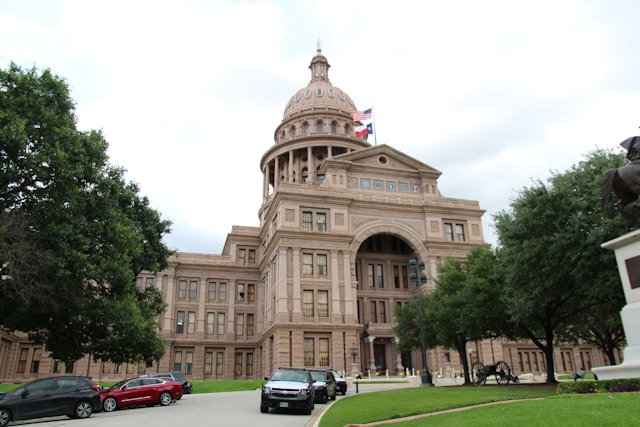
Schools and museums keep military history alive through exhibits and programs.
How Did Texas Military History Make an Influence on Washington D.C?
The military history of Texas, especially during World War I, significantly influenced Washington, D.C. in political, military, and cultural ways. When the United States entered the war in 1917, thousands of Texans volunteered or were drafted, bringing the state’s strong martial tradition to the national stage. Texas training camps prepared soldiers who later shaped federal military policy and veterans’ affairs in Washington. After the war, Texas leaders advocated for expanded defense funding and veteran benefits, helping shape legislation passed in the capital. The sacrifice of Texas soldiers also strengthened national unity, reinforcing Washington’s role as the center of wartime decision-making and remembrance for generations to come
Lifestyle and Civic Culture in a Military-Influenced Town
Life in a WWI legacy town often reflects discipline, organization, and public service. Volunteerism thrives in neighborhoods with strong civic engagement. Local groups honor veterans and maintain historic spaces. Similarly, public events focus on teamwork and community values rooted in military service. Residents support schools, libraries, and parks through shared responsibility. Then again, modernization introduces diverse populations and evolving social trends. Cultural events, businesses, and entertainment spaces adapt while respecting historic landmarks. Streets, zoning, and public spaces often follow layouts created during wartime expansion. Residents appreciate structured planning and community coordination. Daily life balances tradition and contemporary needs. Military history informs local governance, neighborhood organization, and civic behavior, making the culture of WWI legacy towns distinct and cohesive.
Memorials, Monuments, and Public Awareness
Memorials and monuments honor Texas soldiers who served in World War I. Parks, plazas, and statues commemorate sacrifices and preserve collective memory. Plaques explain the history of local training camps and installations. Above all, these spaces teach respect for military contributions and history. Community groups host annual ceremonies and remembrance events to reinforce awareness. Not every town preserves all historic sites, so markers highlight former locations. Public art and signage also guide residents and visitors through historic districts. Learning about memorials encourages participation in civic life. Awareness of past events strengthens social cohesion. Residents gain insight into how local decisions during World War I shaped neighborhoods, roads, and cultural identity, bridging historical understanding with everyday life in Texas towns.
Embracing History in Daily Life While Living in a WWI Legacy Town
Living in a WWI legacy town offers more than history; it shapes neighborhoods, traditions, and community values. Residents experience streets, buildings, and events that reflect military heritage. Understanding local history helps newcomers connect with neighbors, participate in civic life, and appreciate how past decisions continue to influence modern Texas towns.
 Martin Anderson is a Texas-based writer specializing in local history and community development. He explores how military heritage shapes towns, culture, and daily life across the state. In his work, Martin helps readers connect with history while offering practical insights for new residents and travelers.
External Web Site Notice: This page contains information directly presented from an external source. The terms and conditions of this page may not be the same as those of this website. Click here to read the full disclaimer notice for external web sites. Thank you.