Featured Articles
An American Father-Daughter Story in World War I
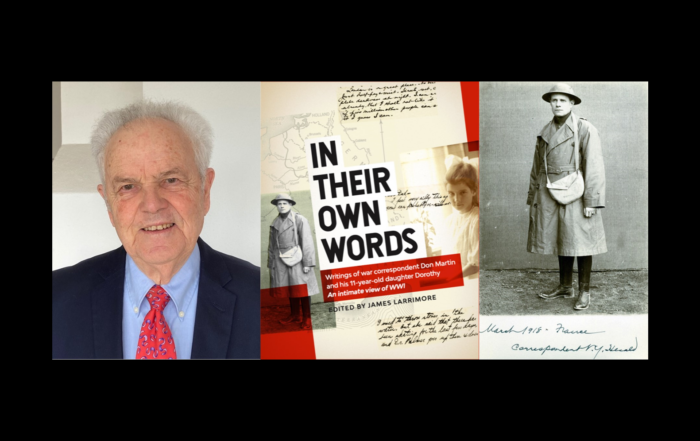
 After the death of his mother Dorothy Martin at age 94 in 2001, James Larrimore (left) was stunned to discover a trove of information about World War I the service of his grandfather Don Martin as a wartime correspondent. Larrimore turned the father-daughter letters, his grandfather's diaries, and other materials into a blog, and finally a book (center), “In Their Own Words, Writings of war correspondent Don Martin and his 11-year-old daughter Dorothy. An intimate view of WWI.”
An American Father-Daughter Story in World War I
By James Larrimore
Special to the Doughboy Foundation web site
On my mother’s death in 2001 at age 94, I came into possession of family records from the World War I era. My grandfather, Don Martin, whom I never met, had died in France while serving as a war correspondent; a poem written about him was titled “Soldier of the Pen.” I found original letters he wrote to his daughter (my mother) and letters from her to him. Also, there were my grandfather’s diaries for 1917 and 1918, and letters of condolence upon his death from Spanish influenza in October 1918, including from Commander-in-Chief John J. Pershing. My mother had told me little about this. I realized that I had to learn about the role my grandfather had played in World War I.
Don Martin was a well-known political journalist of the New York Herald in 1917, when he was assigned to cover the American Expeditionary forces in France. Once he reached the war zone in March 1918, he quickly became recognized as one of four leading American war correspondents, together with Floyd Gibbons of the Chicago Tribune, Martin Green of the New York Evening World and Ray Carroll of the Philadelphia Public Ledger. On learning of his death, former President Theodore Roosevelt wrote:
“Martin was one of the best and truest men with whom I have had relationships…He was of that sort that makes it quite worth while for a real man to do his best, efficiently, honestly and thoroughly.”
I had found that my grandfather was a role model and a hero.
With the WWI Centennial approaching, I decided to make public Don Martin’s reporting and writings on WWI. I set up a blog on which I posted daily, from December 2017 to October 2018, what Don Martin had written one-hundred-years before in his diary and in his war dispatches. It was exciting to relive his wartime experiences day by day, yet something important was missing - the story of the separation of a father from his 11-year-old daughter Dorothy by WWI and how their relationship was maintained through letters, handwritten one a week by Dorothy and sometimes even more frequently by her father. Collating all these sources to tell their story was a moving experience. This book, “In Their Own Words, Writings of war correspondent Don Martin and his 11-year-old daughter Dorothy. An intimate view of WWI,” is intended to be a further contribution to the Centennial of WWI.
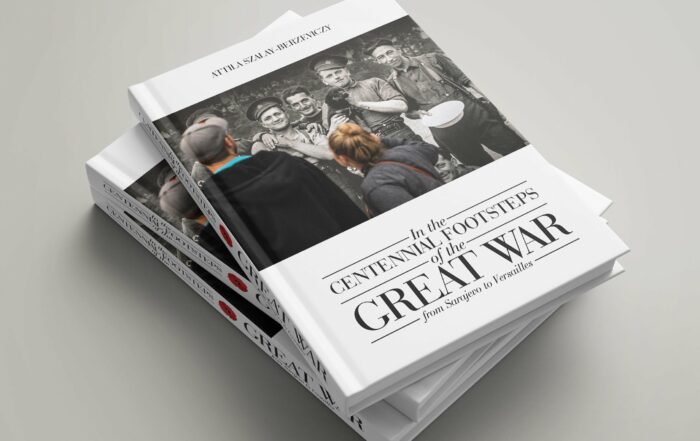
Book Launch & Photography Reception, Washington, DC – April 6, 2022 for the two-volume book “In the Centennial Footsteps of the Great War”
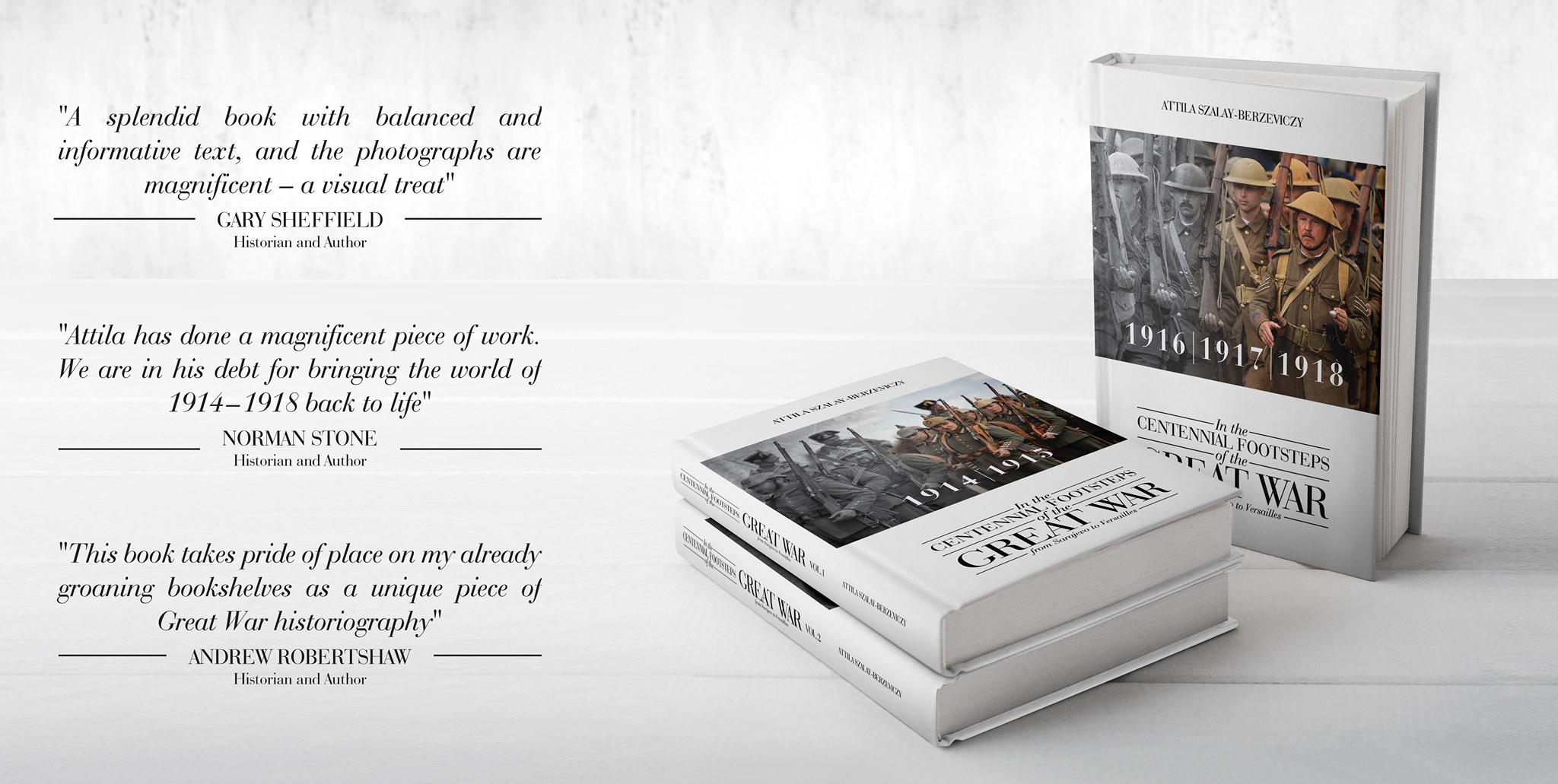
April 6 Book Launch & Photography Reception, Washington, DC for the two-volume book “In the Centennial Footsteps of the Great War”
By Kathy Abbott
Staff Writer
In recognition of the 105th anniversary of the American entry into World War I, the Daughters of the American Revolution (DAR), the Doughboy Foundation, the Embassy of Hungary, and Mathias Corvinus Collegium invite you to a Book Launching ceremony and Photography Reception for the premiere of Attila Szalay-Berzeviczy’s forthcoming two-volume book, “In the Centennial Footsteps of the Great War.” The event will be held at the DAR Headquarters, located in the heart of Washington D.C at 1776 D St NW, on Wednesday, April 6, 2022 at 5 p.m.
 Attila Szalay-BerzeviczyAlso attending will be Jari Villanueva, Taps for Veterans, producer and lead bugler for Daily Taps at the National WWI Memorial, in Washington, DC. All proceeds from the event will be used to complete the National WWI Memorial, DC , and to ensure that Daily Taps is played at the Memorial forever.
In Attila Szalay-Berzeviczy’s program notes for the ceremony “Lessons from the First World War to Prevent the Third World War” he notes, “After concluding my centennial project, I am delighted to present to you the story of the Great War in full-color photographs. I very much hope that the images in this volume and the next will inspire you to visit these historic places with your children in order to discover the peace and beauty I found there, and to reflect at the exact location on the tragic events that took place there over one hundred years ago. I also hope that this two-volume book will in some small way contribute and support future commemorations beyond the centenary, and will remind everyone that peace can never be taken for granted. It is my wish that our great-great-grandchildren will be able to commemorate the bicentenary of the outbreak of the Great War on 28 June 2114, after a century of global peace.”
Below Attila Szalay-Berzeviczy reflects on “In the Centennial Footsteps of the Great War” as it chronicles and explains the historical events and the horrors of the First World War through photos that were taken 100 years later, between 2014 and 2021 in each and every theatre of the war, covering altogether fifty-seven different countries:
Granddaughter finds hidden WWI treasure in a box
Granddaughter finds hidden WWI treasure in a box
By Judy Bruckner
Special to the Doughboy Foundation web site
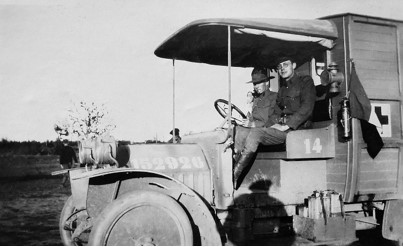
Judy Bruckner’s lifelong passion for family history began at a young age. An interest sparked by a multi- generational collection of stories, photographs and countless afternoons with her beloved grandparents who cared for it all. Every Tintype, Daguerreotype and Cartes des Visites was a window peering into the past, every enthralling story a chance for Judy to reach through time and touch the fabric of her family's history.
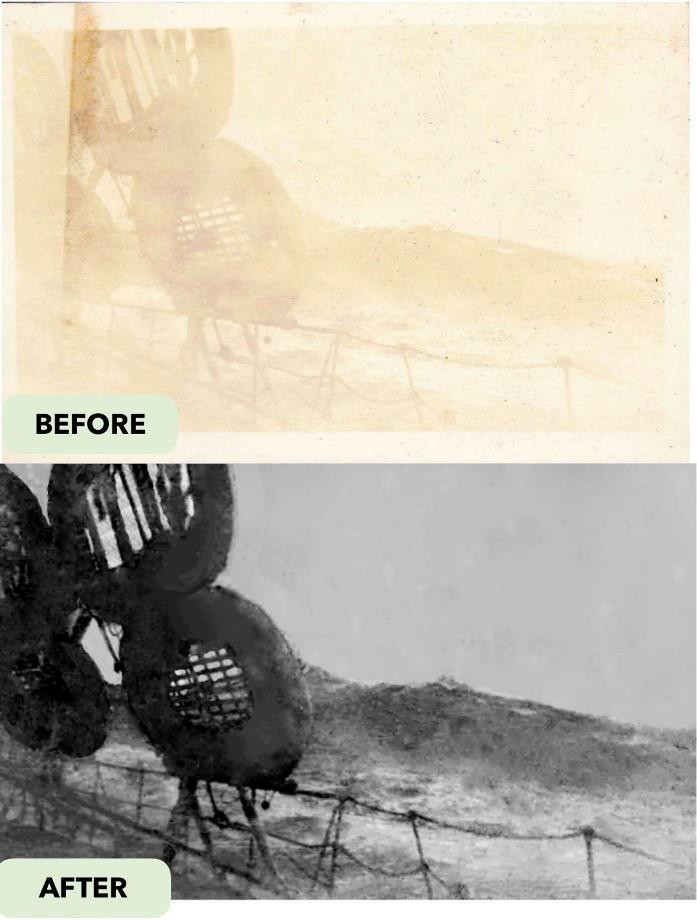 Most prized amongst this collection of treasure; a black, leather-bound album containing photographs, letters, documents and a one-year diary by a 19- year-old ambulance driver named Charles C. Leonard, Judy's grandfather. This vast collection of memories allowed her to experience WWI through Charles' eyes during his time as a volunteer for the American Field Service organization (AFS), which was taken over by the US Army shortly after he arrived in France in July 1917. Charles served as an ambulance driver until May 1919.
Judy knew the unique experiences Charles collected during the final years of the Great War needed to be preserved so upon gaining access to the deteriorating album, she went to work. Between a career and motherhood, she spent the next 8 years digitally repairing the 1000+ fading photos, transcribing journal entries, and exhaustively researching broader events of the war to support the magnificent memories Charles preserved. This book is the achievement of Judy and her grandfather’s work.
The time spent unlocking the mysteries of her grandfather’s experiences broadened her appreciation about a war that before she had only a slight knowledge about from school. Her research brought her closer to the men who served alongside Charles as she translated stories preserved from French books from 1922, old newsletters, and documents preserved by the AFS Virtual Museum and French Museum archive sites.
When asked about her experience, Judy comments:
“Writing a book was much more challenging and rewarding than I ever imagined. I became absorbed in learning as much as I could about USAAS 644 (old SSU 32) and the French infantry division 37 (DI 37) to which they were attached. I translated French books about DI 37 into English to read diaries and to track their journey as they chased the enemy back to Germany. It was hard to leave some of their touching stories out, but I wanted to focus on Charles and his experiences. Even still some of the final moment of the war can only be captured by one who there and so an Algerian solders’ memory was added to the book. The commitment and bravery of these Algerian fighters and their French Officers helped me to understand the sacrifice of all who serve at wartime.
"As I learned about SSU 71 and SSU 32, I decided to create a pictorial roster of these brave men. This would help confirm some of the photos of people taken by Charles but left unlabeled. My challenge was finding a military roster. In 1973 the National Archives in St. Louis, Missouri had a fire in the Military Personnel Record Center in which most WWI service records were stored. All information about USAAS 644 was lost in that fire. Through research using the documents I possessed and online sites I was able to find most of the men and recreate the roster.
Pritzker Military Museum & Library On War Military History Symposium March 31 – April 1, 2022
Pritzker Military Museum & Library On War Military History Symposium March 31 – April 1, 2022
Special to the Doughboy Foundation web site
The Pritzker Military Museum & Library present their 2022 On War Military History Symposium featuring Dr. Margaret MacMillan, recipient of the 2021 Pritzker Military Museum & Library’s Literature Award for Lifetime Achievement in Military Writing. The symposium will consider the current state of military history under the theme of “What is Military History Today?”. Individual panel sessions will explore and identify today’s challenges in researching, writing, and presenting military history, and how they are impacted by the needs and interests of diverse audiences. Perspectives from the academic community, military professionals, and the general public will be considered.
This year’s Symposium will take on a hybrid format with an option to join in person or virtually online. Sessions include: What is Military History Today?, Museums and Memorialization; Violence, Atrocity, and Restraint in War and Military History of the Post-Cold War. Pricing for member and non-member, in-person and virtual attendance is available on our website.
Behind the Epic WWI Memorial Being Sculpted in an Englewood Warehouse
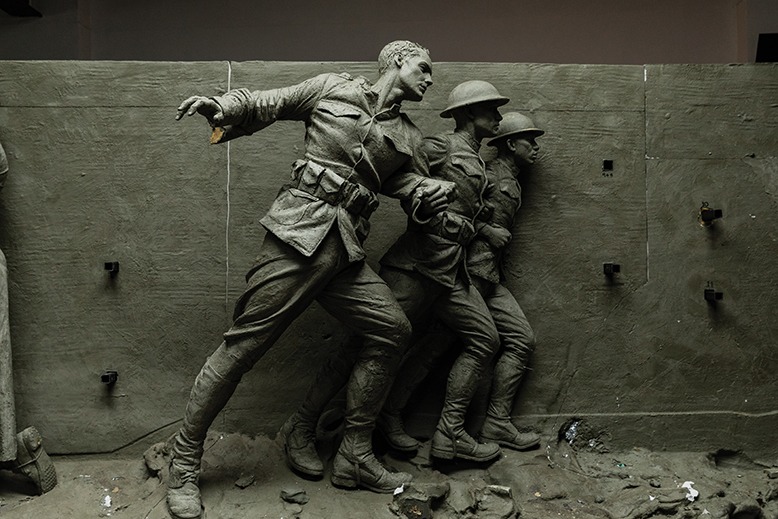 Sabin Howard is working tirelessly on A Soldier’s Journey, the 60-foot-long bronze relief bound for the nation’s capital. In the completed section shown, the soldier heads into battle with two comrades.
Behind the Epic WWI Memorial Being Sculpted in an Englewood Warehouse
By Leslie Garisto Pfaff
via the New Jersey Monthly magazine web site
Behind the soaped window of a former warehouse in downtown Englewood, an epic journey is taking shape. Under a skylight that catches the day’s waning glow, Sabin Howard is carefully applying small swipes of clay to the figure of a soldier in a World War I doughboy’s uniform. Howard’s gaze moves from the sculpture to actor Mark Puchinsky, a live model who looks every inch the young warrior, down to the authentic olive drabs that Howard purchased from World War I reenactors.
The figure, about 10 percent larger than life, is one of 38 that will eventually comprise an intricate, 60-foot-long bronze relief titled A Soldier’s Journey. It will form the centerpiece of the country’s first national World War I memorial, commemorating the 4 million Americans who served in what was once known as the Great War. Chosen out of a field of 360 entries in an international competition, Howard’s piece will be installed in Pershing Park, just steps from the White House, in the fall of 2023 or the following spring.
The uncertain timing reflects the arduousness of Howard’s process. Each figure requires some 600 hours of work, meaning Howard can complete only nine or 10 figures in a year, even with two assistant sculptors and a team of models. Considered a master of modern classicism, Howard, 57, creates sculpture that is startlingly realistic. He is, says project manager Traci Stratton—the novelist/documentarian who is also Howard’s wife—a perfectionist: “If he had 800 hours to complete a work, he’d want 1,600,” she says. “If he had 1,000, he’d want 2,000.”
In fact, the project would literally have taken a lifetime to complete if Howard had followed his traditional routine: creating a drawing of the proposed sculpture, producing a small-scale 3-D maquette (or preliminary model), building foam-covered steel armatures (or frameworks) of each figure, applying clay to the armatures, and then casting the work in bronze. He was able to skip the labor-intensive third step in favor of a digital process in which the armatures are 3-D printed.
The work is a departure for Howard in another significant way. “I had to change from being a strict classicist”—sculpting idealized, largely static forms—“to being an expressive humanist. You can’t have a visceral impact on the viewer with art that’s purely cerebral.”
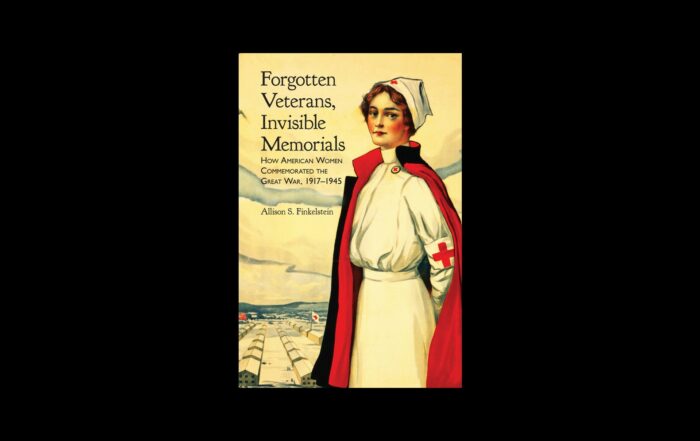
Inspired by Teaching History in England, I Explored the Unconventional Memorials Created by the Forgotten Female Veterans of World War I
Inspired by Teaching History in England, I Explored the Unconventional Memorials Created by the Forgotten Female Veterans of World War I
By Allison S. Finkelstein
Special to The Doughboy Foudation web site
For any American who has been in Great Britain during the month of November, the enduring relevance of the memory of World War I in British culture is hard to miss. From the tradition of wearing a poppy to the nationwide two minutes of silence observed on Remembrance Sunday, many Britons remain deeply preoccupied with the Great War. After living among these rituals while teaching in the history department of an English boarding school, I started to wonder: why does the memory of World War I remain so much stronger in Great Britain than in the United States? This question led me on a long path to the publication of my first book: Forgotten Veterans, Invisible Memorials: How American Women Commemorated the Great War, 1917-1945. By investigating the groundbreaking role American women played in the memorialization of the war, the process of writing this book uncovered new ways to answer this question and revealed significant but too often overlooked aspects of World War I’s history that have renewed relevance today.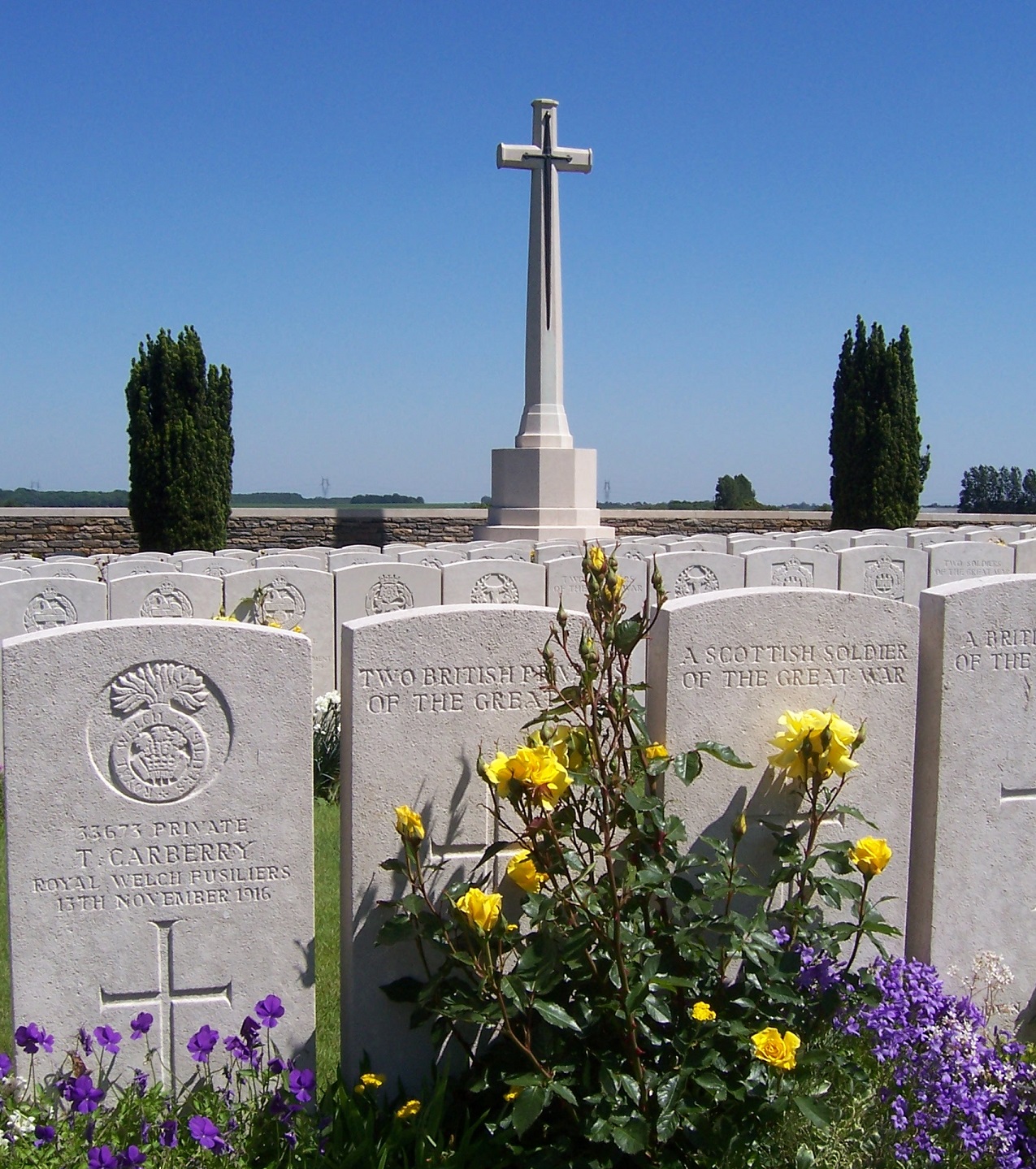 Queen’s Cemetery in Puisieux, France, a British World War I cemetery run by the Commonwealth War Graves Commission. Photograph by Allison S. Finkelstein
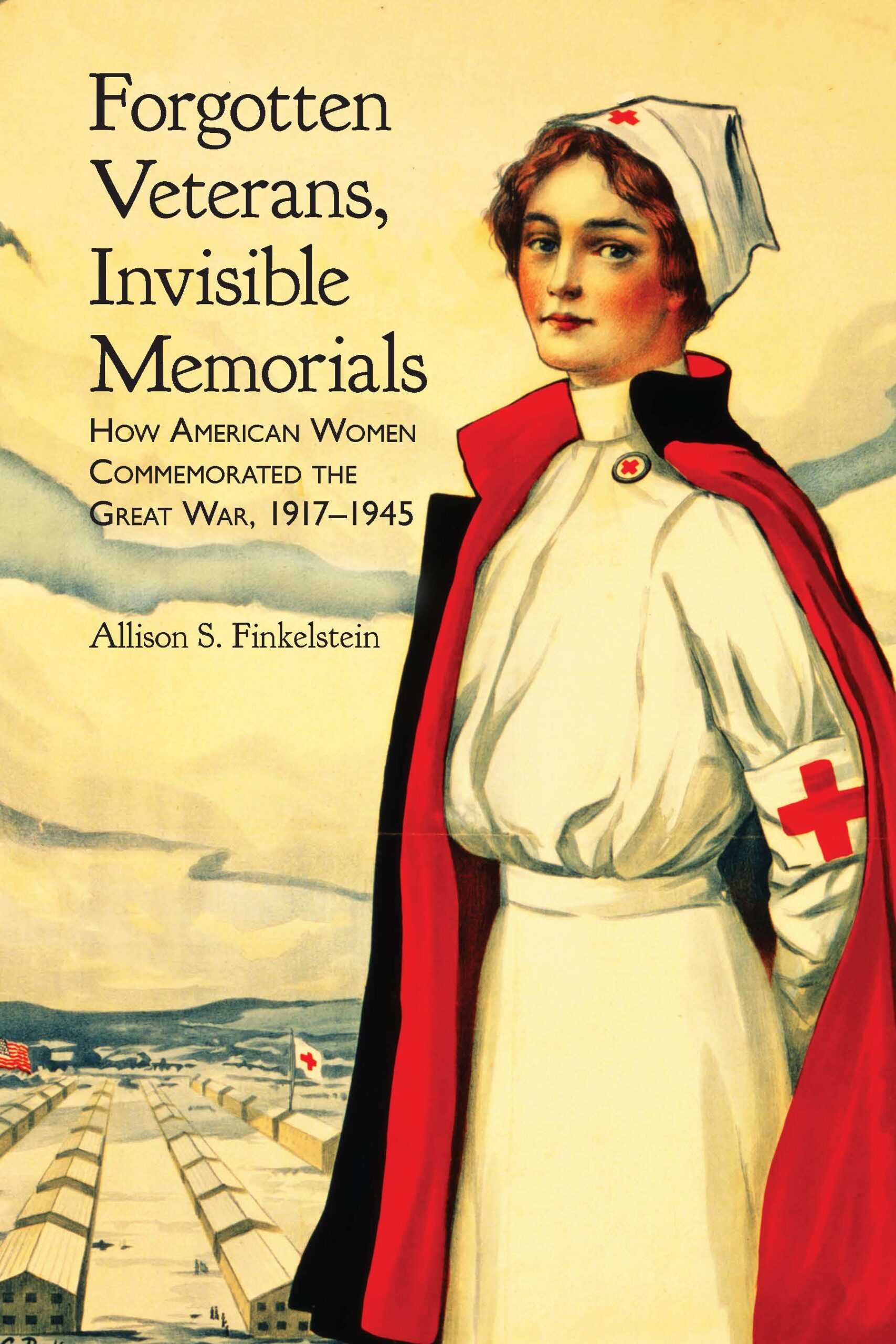 The seeds for Forgotten Veterans, Invisible Memorials were planted during my time in England. After participating in British remembrance rituals and taking our students on a trip to the sites of the Western Front, I entered graduate school upon my return home. At the University of Maryland, College Park, I focused my studies on military commemoration. Two summers spent interning at the American Battle Monuments Commission (ABMC)—where I would later work—steered me firmly toward the First World War as my area of focus. I dove into this question about the American memory of the war through archival research as well as fieldwork at the Meuse-Argonne American Cemetery and Memorial in France.
By the time I selected my dissertation topic, I knew enough to realize that answering this question was far too big for just one project. Instead, I decided to approach the question by specifically examining how American women commemorated the war. Doing so, I hoped, might provide some explanation of America’s waning memory of World War I. Little did I know that my research would do more than just shed light on answers to this question, but it would also help to resurrect a forgotten group of American women from the recesses of history. The more time I spent researching these women as I transformed my dissertation into a book, the more passionate I became about sharing their stories.
In its final form, Forgotten Veterans, Invisible Memorials investigates how American women who somehow served or sacrificed in World War I commemorated that conflict. I argue that these female activists considered their community service and veterans advocacy projects to be forms of commemoration just as significant and effective as traditional memorialization methods such as monuments and statues. In other words, these women sometimes preferred projects that helped a broadly defined group of male and female ‘veterans’ as an alternative to physical monuments and memorials. These are the invisible memorials mentioned in the book’s title.
Arlington National Cemetery’s Tomb of the Unknown Soldier Centennial Commemoration
 Soldiers dressed as Doughboys in procession on Nov 11 2021. U.S. Army photo by Sgt Charlotte Carulli
Arlington National Cemetery’s Tomb of the Unknown Soldier Centennial Commemoration
By Allison S. Finkelstein, Ph.D., Senior Historian, Arlington National Cemetery
Special to the Doughboy Foundation web site
In 2021, Arlington National Cemetery (ANC) served as the designated government leader of the congressionally mandated Tomb of the Unknown Soldier Centennial Commemoration. This centennial recognized the 100th anniversary of the Tomb’s creation at ANC on November 11, 1921.
As the culmination of years of work by the entire ANC team, this yearlong commemoration produced a wealth of content for the public about the history and meanings of the Tomb of the Unknown Soldier, much of which focused on World War I (WWI). We are excited to share these resources with readers of the Doughboy Foundation Dispatch Newsletter so we can continue to raise awareness about the Tomb’s significance.
Over the next several months, we will be contributing a series of articles that highlight the different projects we created for the Tomb Centennial. Just as the 1921 ceremonies for the burial of the WWI Unknown Soldier involved mass public participation, the Tomb Centennial engaged the public through a variety of means: exhibits, publications, webinars, videos, digital media, an education program, and participatory ceremonies. For more information on the Tomb Centennial, please visit the following websites:
- ANC Tomb Centennial Webpage: https://www.arlingtoncemetery.mil/Tomb100
- Department of Defense Tomb of the Unknown Soldier Webpage: https://www.defense.gov/Multimedia/Experience/Tomb-of-the-Unknown-Soldier/
- US. Army Tomb of the Unknown Soldier Webpage: https://www.army.mil/tomb/
This month, we are sharing our Commemorative Guide to the Tomb of the Unknown Soldier. In the years leading up to the Centennial, the ANC History Office undertook in-depth research into the history of the Tomb and its legacy. This research will eventually yield two publications.
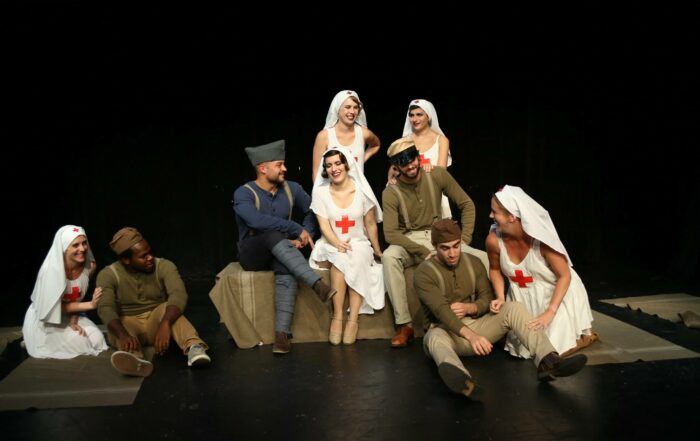
The Great Forgotten: A Television Series Honoring the Nurses Who Served in World War One
Have you ever dreamed of watching a TV series set in WWI France, side by side with the aftermath that follows in New York City’s Roaring 20s? And told through the eyes of nurses? Two [...]
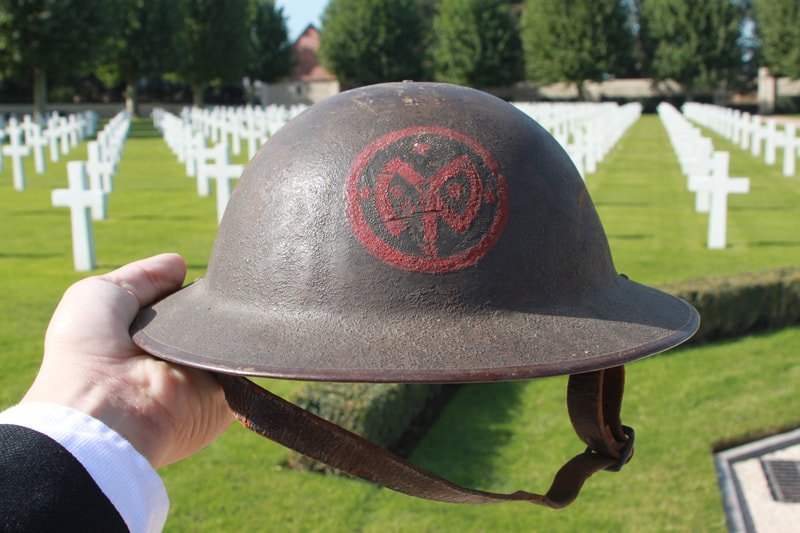
Orange County Historian to host trip to Europe to pay tribute to the Harlem’s Rattlers (the 369th New York Infantry Regiment) in World War I
Goshen, N.Y. – Orange County Historian Johanna Yaun will host a trip to Belgium and France next year to honor the soldiers who served in the 369th New York Infantry Regiment. The trip will take [...]