The Stunning Evolution of the Telephone Since 1876
Published: 11 March 2026
By Tim Ott
via the History.com website
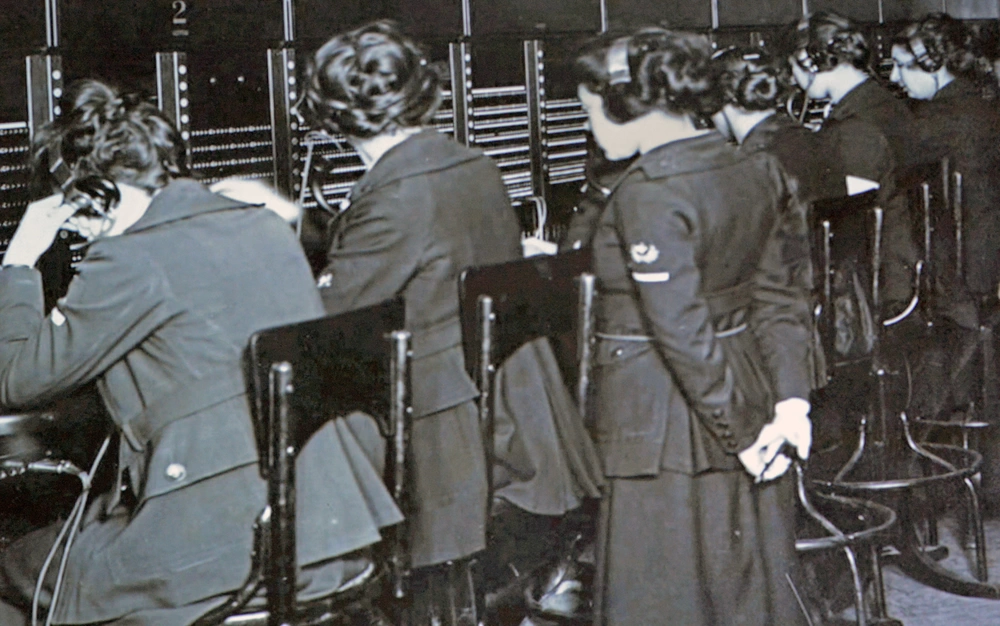
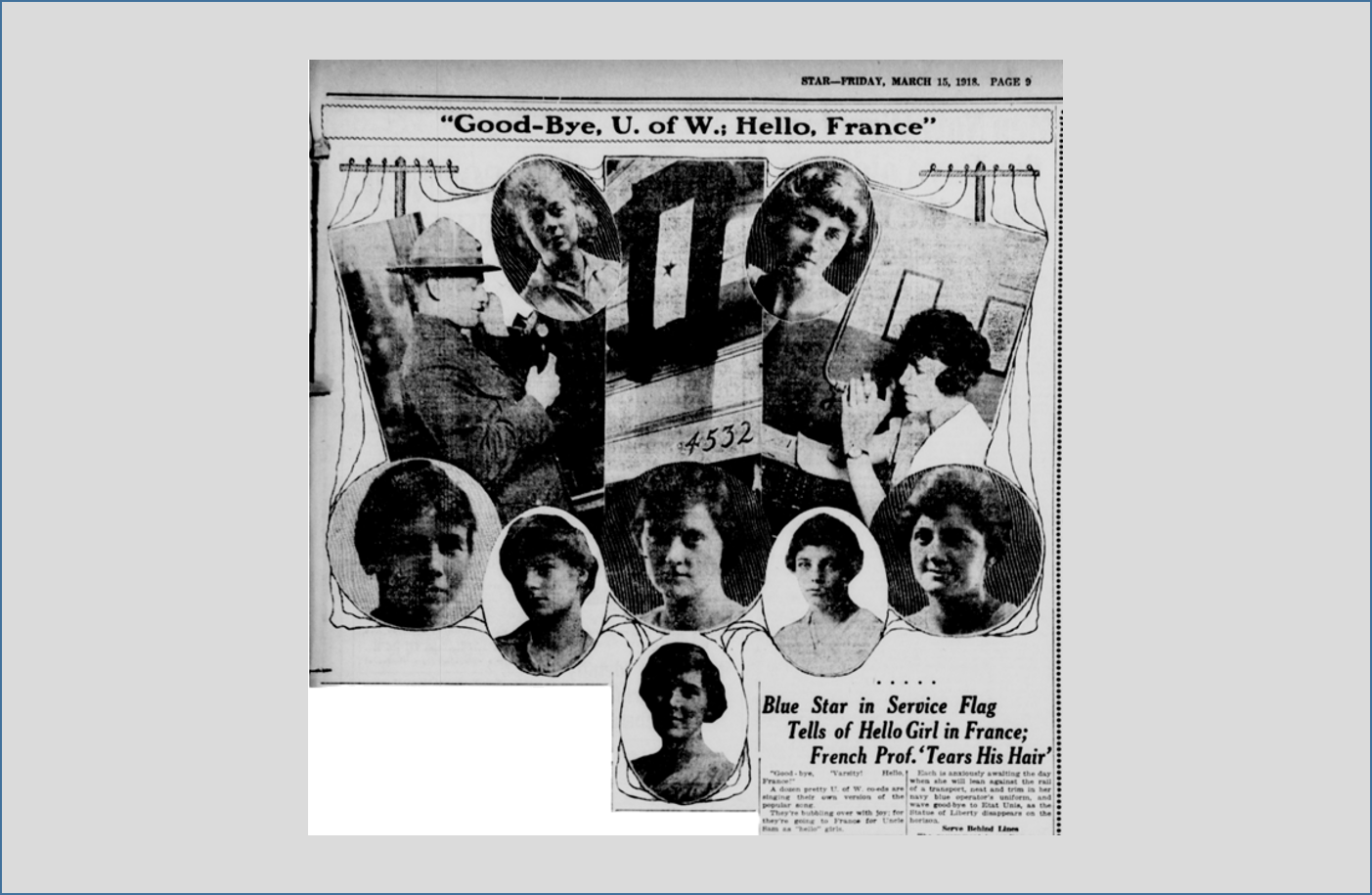
Hello Girls switchboard
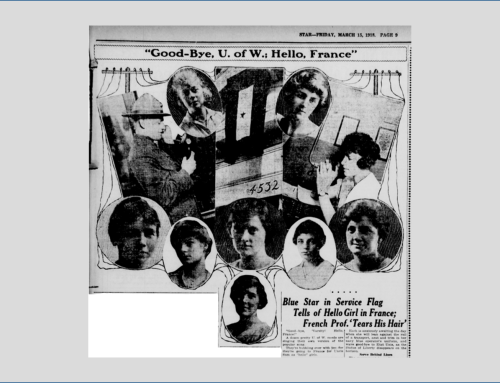
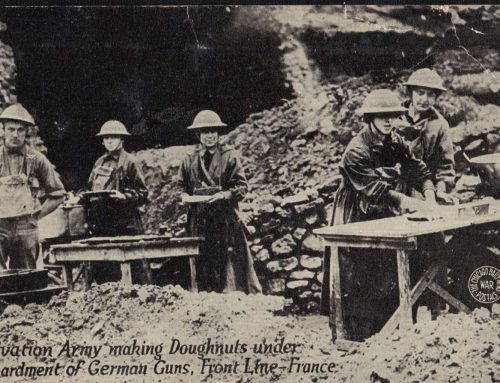
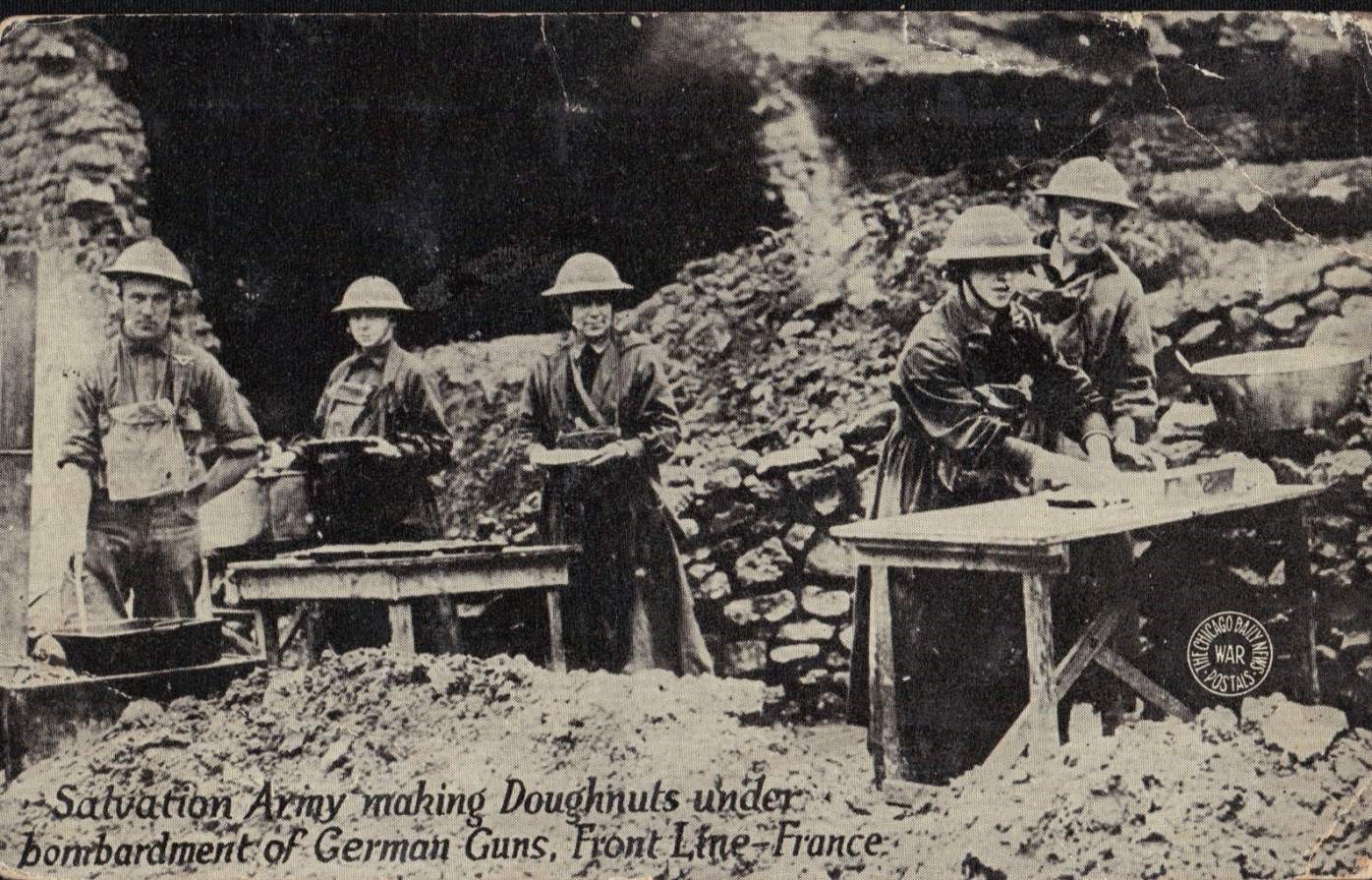
When the female telephone operators of the U.S. Army Signal Corps were operating switchboards in France during 1918, the "Hello Girls" were working with systems that were already being supplanted by direct dialing and other technology evolutions that would only accelerate in the years after the war ended.
Sprawling box sets and rotary dials gave way to push buttons and cellular innovations.
On March 10, 1876, three days after receiving a patent for his “Improvement in Telegraphy,” Alexander Graham Bell completed the world’s first successful telephone call from his Boston laboratory to his assistant Thomas Watson in the next room.
Suffice it to say, Bell’s early phones did not resemble anything particularly recognizable to our contemporary eyes. Models from the period feature mouthpieces of varying sizes, drum-like parts and wires connected to a liquid transmitter, in which a vibrating needle varied an existing electric current to transmit sound.
Yet, from those curious beginnings emerged a device and supporting network that transformed the way people communicated and helped shrink a vast world. Here are some of the major phone models and systems enjoyed by users in the 150 years since Bell and Watson first revealed the possibilities.
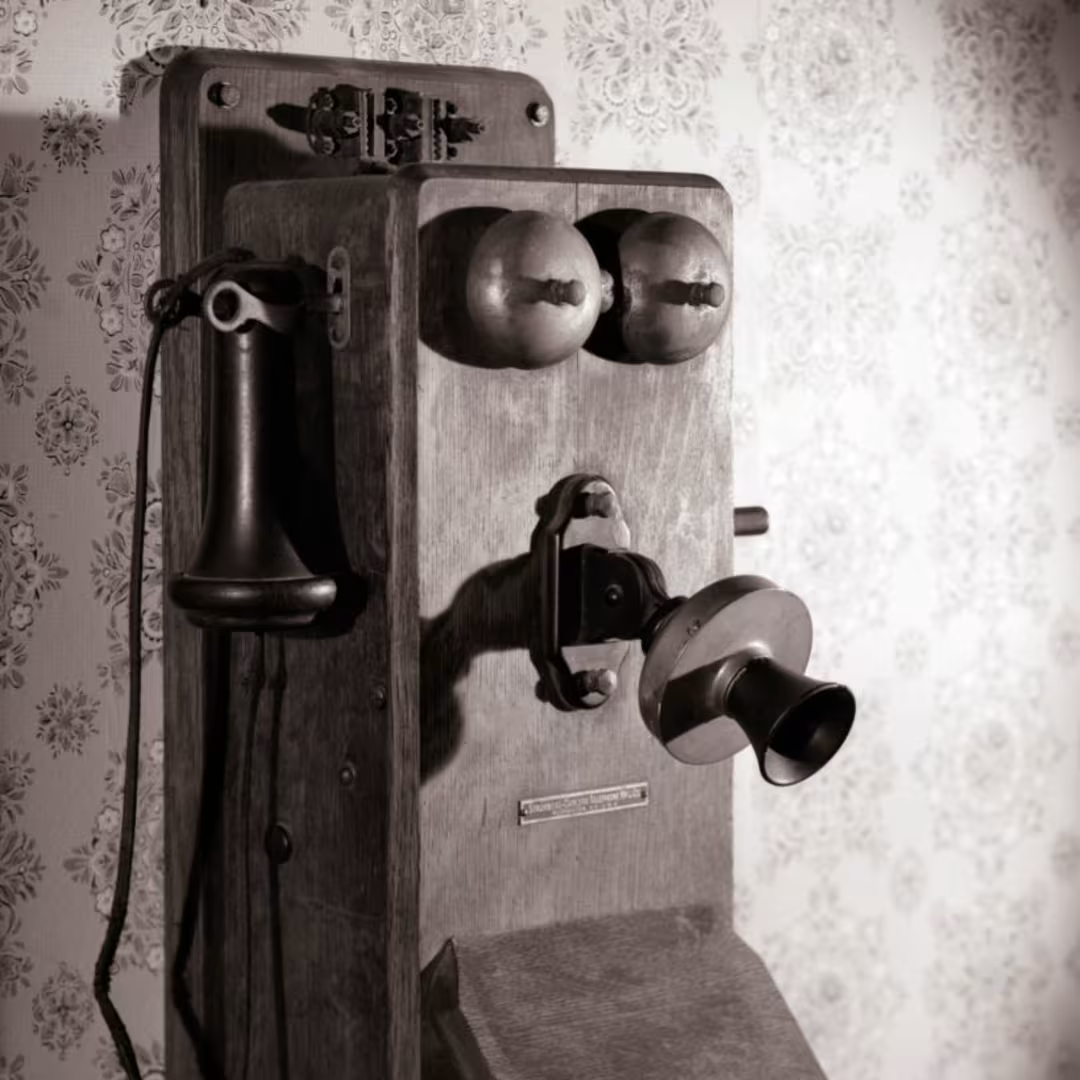
Charles Williams manufactured “coffin” phones beginning in the late 1870s. The wooden wall-mounted design relied on a hand crank called a magneto to contact a nearby telephone operator.
(Camerique/Getty Images)
Mounted Wall Phones
For most of the remainder of the 19th century, participants in this new experiment had some version of the wooden wall-mounted telephone. Although Charles Williams’ “coffin” phone represented the simplest form of this device, the three-box phone was more emblematic of the sprawling setup required.
“There are four major components to an operable phone [at this time],” says Graham Gifford, executive director of the New Hampshire Telephone Museum. Phones needed a ringer box, a battery box, a handset (often in two pieces for the receiver and microphone) and a transmitter, she explains.
A hand crank known as a magneto, often attached to the top ringer box, was also essential. Winding the crank generated an alternating electrical current along a wire to an operator at a local exchange, who then connected the call by plugging a cord into the recipient’s line on a switchboard.
Read the entire article on the History.com website.
External Web Site Notice: This page contains information directly presented from an external source. The terms and conditions of this page may not be the same as those of this website. Click here to read the full disclaimer notice for external web sites. Thank you.