The History of American Military Rations & How They Changed Over Time
Published: 21 January 2026
By Jake Scheidemann
via the TheCollector website
history-american-military-rations
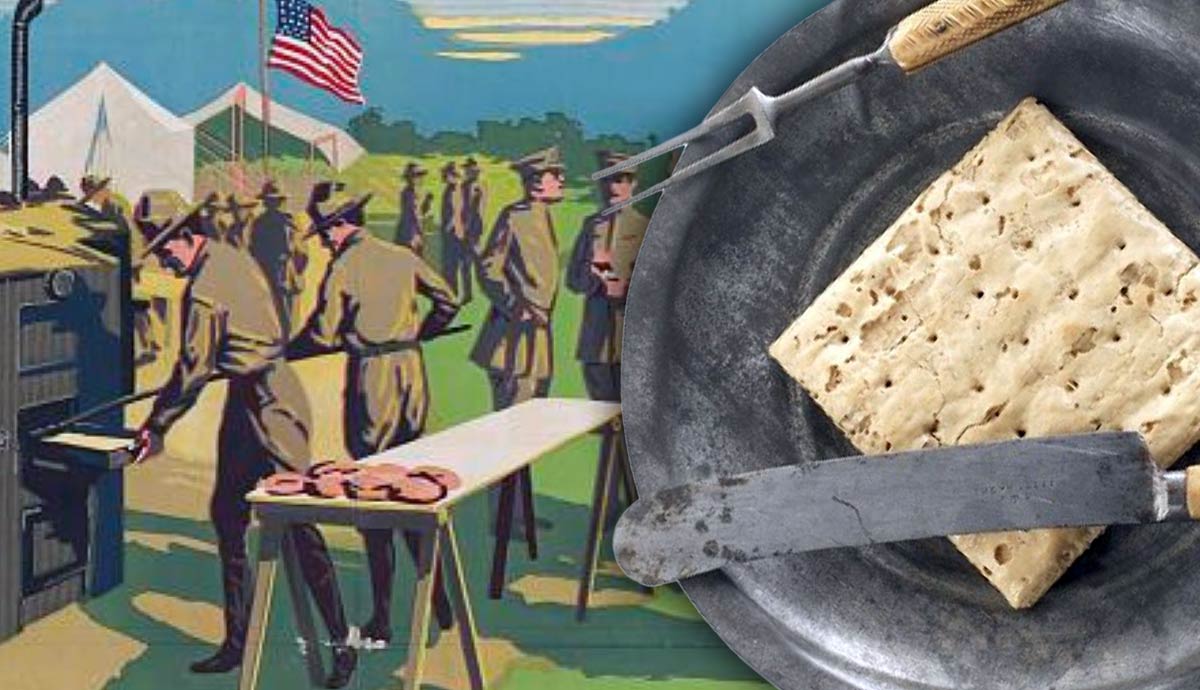
From dried goods and hardtack to modern packaged meals, here is how American military rations evolved over time.
Rations were one of the few positives for the American troops who languished in WWI trenches.
Ever since its initial struggle for independence, American soldiers away from home were not only subject to the horrors of war, but had to give up the comforts of home as well, often including palatable food. While familiar comforts could temporarily relieve wartime suffering, a lack of appropriate sustenance in desperate situations made warfare even worse. As American military rations improved significantly over the centuries to properly feed American troops, each conflict presented different options for famished servicemembers.
American Revolution
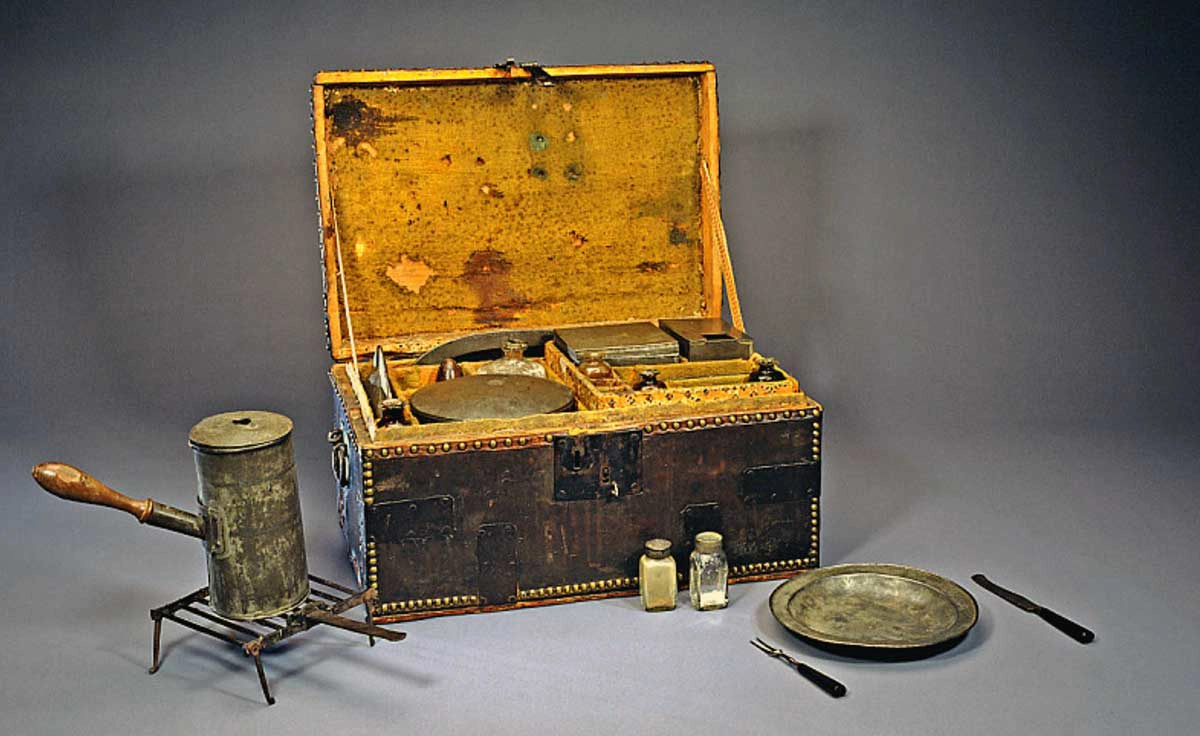
George Washington’s camp chest with dining equipment, 1775-1776. (Source: National Museum of American History, Smithsonian Institution)
Despite being a young organization with little formal experience at the onset of the American Revolutionary War, the Continental Army codified its rations shortly after the Battles of Lexington and Concord. On June 10, 1775, the Massachusetts Provincial Council proclaimed the daily rations for its soldiers in the Boston region as follows: one pound of bread, one pint of milk, half of a pound of beef, half of a pound of pork, one quart of malt beer, and one gill of beans or peas. Weekly, colonial troops were allocated six ounces of butter and half a pint of vinegar. When goods such as milk could not be obtained, however, the Continental Army substituted with rice or more meat. By November 1775, this list was officially approved by the Continental Congress for general use.
While rations during the American Revolution were hardy, colonial soldiers often found themselves without required levels of sustenance. During the winter encampment at Valley Forge, Congress faced immense challenges with the timely distribution of finite resources, with 100,000 barrels of flour and millions of pounds of meat required to feed 15,000 soldiers. Troops often went multiple days without food. Acknowledging this shortcoming, General George Washington mandated that soldiers requested food from local farmers before submitting a receipt for civilian workers to collect compensation. While the army was busy training and building defenses, camp followers, primarily soldiers’ wives and children, often cooked for hungry troops.
American Civil War
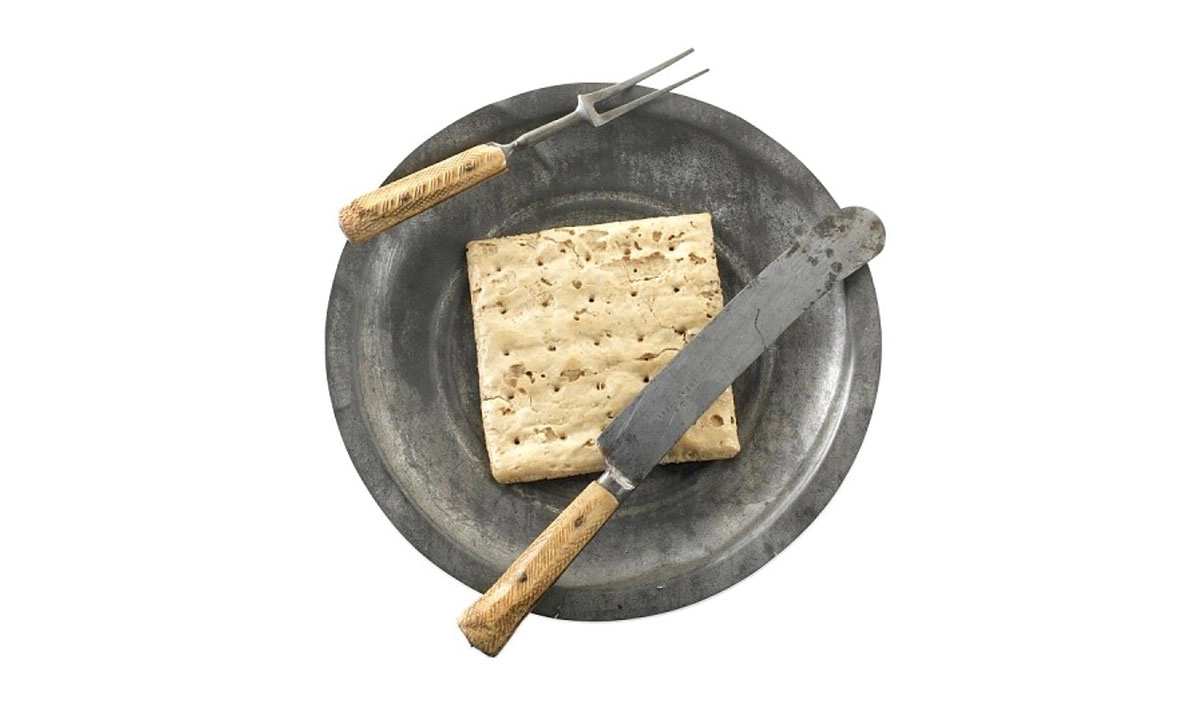
Civil War soldier’s mess with hardtack, 1861-1865. (Source: National Museum of American History, Smithsonian Institution)
Union and Confederate soldiers had similar diets during the American Civil War. Because food required transport over long distances as armies marched across the eastern United States, the meals for tired soldiers largely consisted of salted meat and canned goods. Often, meat-based rations were well past their period of freshness, and salted provisions contained undesirable elements of animal products including organs and hair. Even when exhausted, soldiers ended their days by preparing their dinners over open fires in mess groups.
When resources were scarce, troops relied on hardtack, a cracker-like biscuit, to supplement their diet. Hardtack, while a necessary staple of Civil War soldiers’ diets, was not a pleasant meal replacement. The compact ingredients were so dense that they were frequently soaked in water or coffee prior to consumption. Fortunate soldiers who hunted wild game or collected nearby berries enjoyed a freshness that salted meats, canned goods, and hardtack could not provide. Due to a lack of nutrients, Civil War soldiers suffered from disease, in particular scurvy, which was treated in hospitals by distributing oranges.
While animal herds occasionally followed organized marches, food shortages were common. This encouraged both Union and Confederate troops to steal farm animals, fruit, and vegetables from local farmers when in enemy territory. Conditions for prisoners were certainly the worst, as captured soldiers received only what was left after their captors had their share. In desperation, prisoners ate rats and starved to death.
World War I
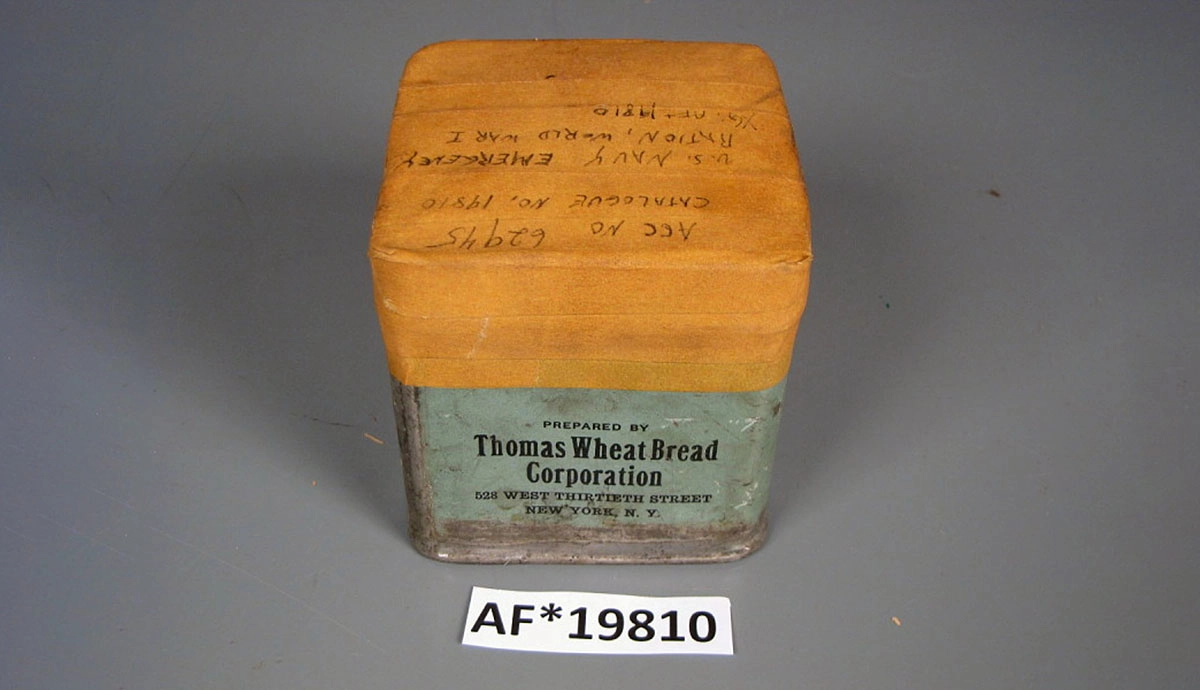
Emergency wheat bread ration during World War I, 1917-1918. Source: Smithsonian Institution
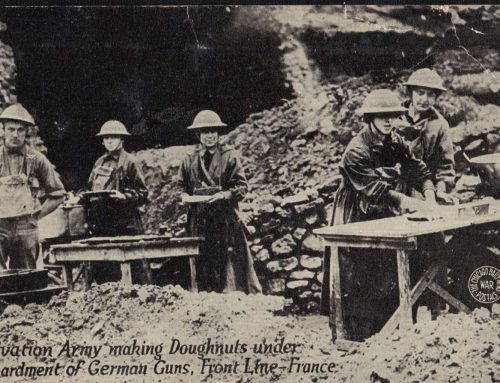
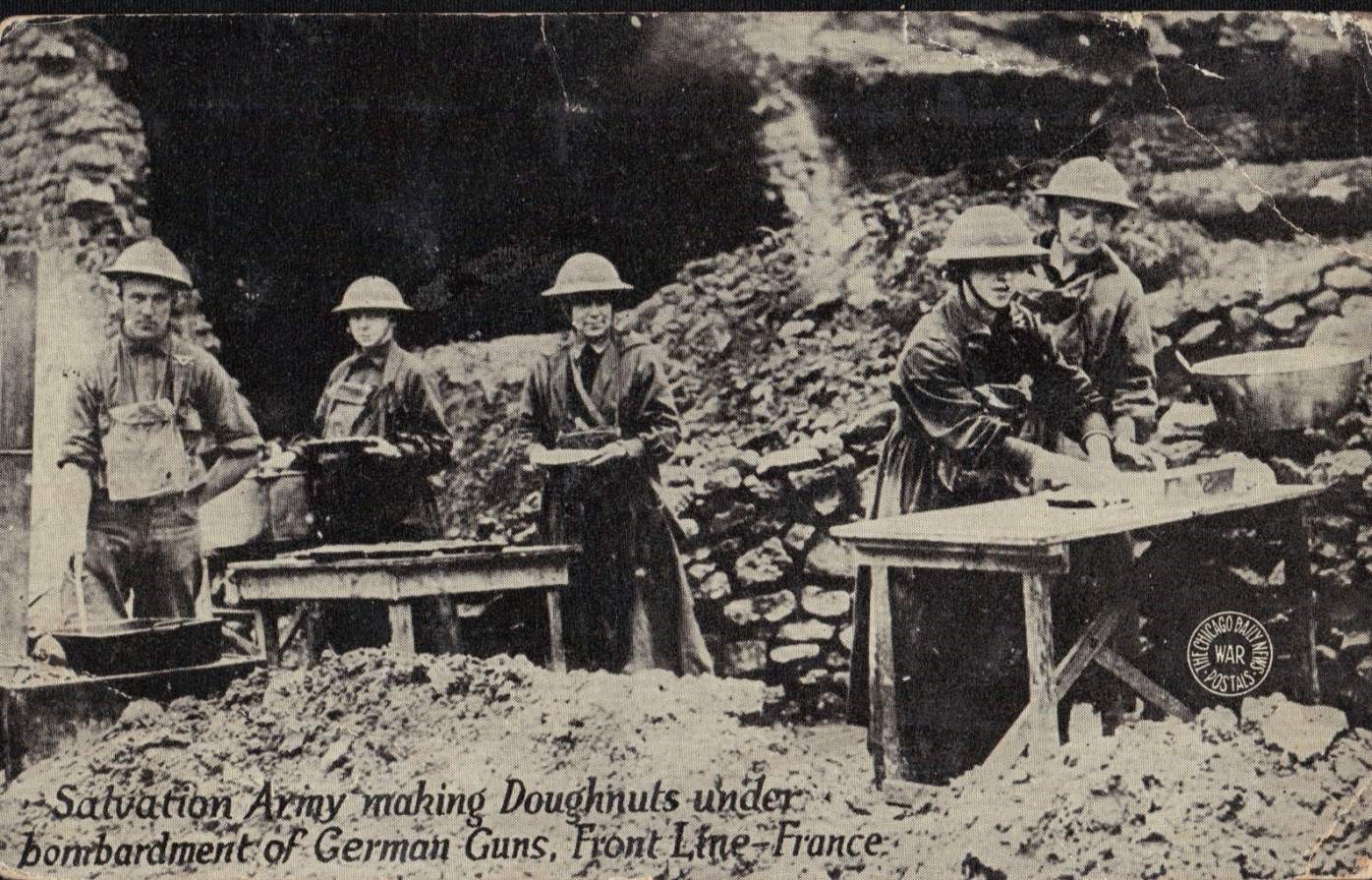
World War I was the first American conflict in which supply routes were threatened by aerial bombardment and indirect fire via artillery, causing significant challenges when attempting to deliver rations to the front lines. To circumvent this risk, American supply units and Red Cross volunteers often staffed field bakeries. This innovation, in addition to delivering the luxury of hot food on the battlefield, also replaced hardtack as a main staple in soldiers’ diets.
Fresh bread and doughnuts were not the only advancements in sustaining American servicemembers from the Civil War to World War I. Developments at home ensured that soldiers were properly fed. Fueled by calls by Congress to conserve resources, the American “doughboys” of the Great War were relatively well fed compared to their international peers. Domestically, American families were encouraged to replace their meals at home with corn instead of wheat, fish instead of meat, and syrup instead of sugar to sustain resources for troops overseas before government-mandated rationing proved necessary. With milk, butter, potatoes, candy, and cigarettes when available, rations were one of the few positives for the American troops who languished in WWI trenches.
While the military sought creative solutions to feed the troops, non-negotiable challenges complicated threats of enemy fire. Chemical warfare, rat- and bug-infested trenches, and inclement weather ruined food storage in the field. As such, emergency rations were introduced at the turn of the 20th century to sustain isolated soldiers for up to a week at a time before resupply.
Read the entire article on the TheCollector website here:
External Web Site Notice: This page contains information directly presented from an external source. The terms and conditions of this page may not be the same as those of this website. Click here to read the full disclaimer notice for external web sites. Thank you.