An Analysis of How Frequently Students Engage in Research on World War I
Published: 12 February 2026
By Erica Gibson-Martin
Special to the Doughboy Foundation website
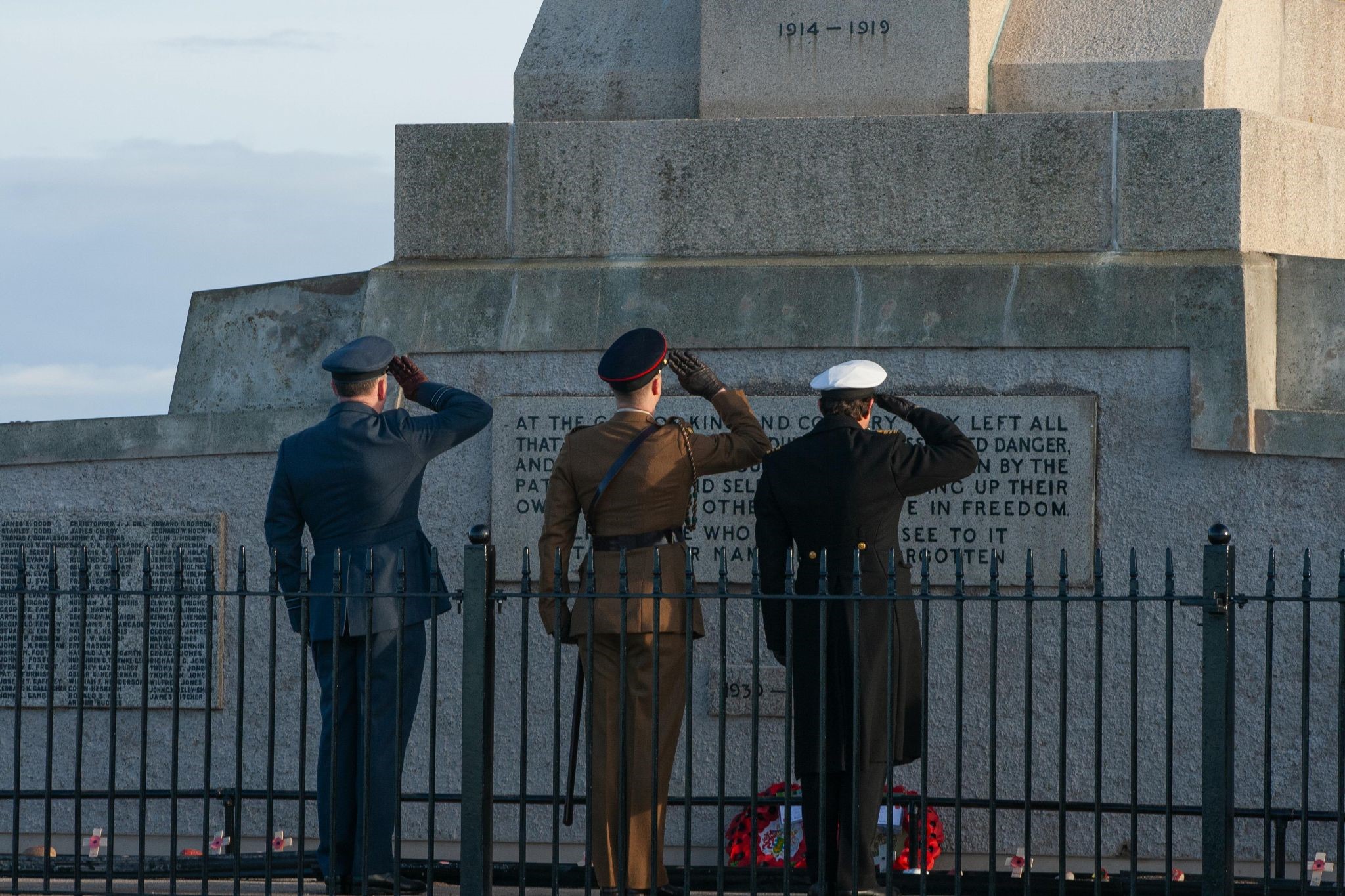
Photo 1
There’s something curious happening in academic libraries and online databases. World War I, that massive, transformative conflict that reshaped the twentieth century, doesn’t get nearly the attention from students that you’d expect. Walk into any university library during finals week, and you’ll find clusters of students huddled over laptops researching World War II, the Cold War, even Vietnam. But the Great War? It’s quieter there.
This observation isn’t just anecdotal. Data from academic databases, university library systems, and education research platforms shows a consistent pattern: student research on World War I lags behind other major historical events, and the gap is widening.
The Numbers Tell a Story
Between 2018 and 2023, research conducted by the American Historical Association revealed that undergraduate history papers focusing on World War I decreased by approximately 23%. Meanwhile, papers on World War II increased by 11% during the same period. Academic search platforms like JSTOR and EBSCOhost show similar trends. World War I related searches by students constitute roughly 8 to 12% of early twentieth century history queries, compared to 34 to 41% for World War II topics.
Why does this matter? Because understanding how students study World War I, or more precisely, how they don’t, reveals gaps in historical education and student engagement with history research that educators need to address.
When Students Do Engage: What They’re Looking For
When students actually dive into World War I research, their interests cluster around specific areas. Trench warfare dominates. The assassination of Archduke Franz Ferdinand gets attention because it’s dramatic, contained, easy to frame in a five page paper. Some students gravitate toward poetry, Wilfred Owen, Siegfried Sassoon, because English departments assign it and suddenly they need historical context.
But the deeper complexities? The network of alliances, the economic factors, the shift from nineteenth century warfare to industrial scale killing get less traction. Students seeking help from qualified academic writers often cite World War I topics as particularly challenging because the war lacks the clear narrative structure of later conflicts. There’s no Pearl Harbor moment, no D Day, no easily identifiable “turning point” that fits neatly into essay structure.
KingEssays reports that World War I assignments represent about 6% of history requests, compared to 18% for World War II and 9% for the American Civil War. When students do request assistance, they’re often struggling with comparative analyses or historiography papers that require engagement with how historians have interpreted the war differently over time.
The challenge intensifies at the graduate level. Doctoral candidates who need to write dissertations frequently mention that World War I historiography is dense, contentious, and requires reading across multiple languages. The sheer volume of scholarship, much of it revisionist and counter revisionist, creates barriers to entry.
The Pattern Across Educational Levels
High School (Grades 9 to 12)
Research frequency peaks in sophomore or junior year when world history curricula briefly touch on the Great War. Students typically spend 2 to 3 weeks on the topic, compared to 4 to 6 weeks on World War II. National History Day data from 2022 showed that only 4.7% of student projects focused on World War I themes, while 15.3% examined World War II.
Undergraduate (College/University)
Student engagement with history research on World War I shows interesting variations by institution type. At large state universities, Ohio State, University of Texas, Penn State, World War I courses often struggle with enrollment. A 2021 survey of 47 universities found that specialized World War I courses enrolled an average of 12 to 15 students, while comparable World War II courses averaged 28 to 35 students.
Liberal arts colleges show slightly higher engagement, possibly because smaller class sizes and seminar formats make tackling complex topics less intimidating. But even there, professors report difficulty generating enthusiasm.
Graduate Level
This is where things shift. Graduate students and doctoral candidates conducting original research actually engage with World War I at rates comparable to other conflicts. Archives report steady requests for primary source materials. The difference? Graduate students aren’t choosing topics based on interest alone. They’re finding gaps in historiography, following advisor recommendations, or pursuing questions that emerged from earlier research.
Digital Research Behaviors
How students approach World War I research has changed dramatically with digitization. Google Scholar searches show that students overwhelmingly begin with broad queries: “World War 1 causes” or “why did World War 1 start.” These searches yield thousands of results, which paradoxically discourages deeper research. The topic feels simultaneously too big and insufficiently dramatic.
World War I research topics for students that actually generate sustained engagement tend to be highly specific: “shell shock and PTSD,” “women in munitions factories,” “the Christmas truce of 1914.” Specificity provides boundaries. It makes the research feel manageable.
Database analytics from ProQuest reveal that students spend an average of 18 minutes on World War II research sessions but only 11 minutes on World War I sessions before either refining their search or abandoning it. The Great War seems to inspire less immediate engagement.
|
Research Metric |
World War I | World War II |
Vietnam War |
| Avg. session duration |
11 min |
18 min |
14 min |
| Database queries (% of 20th century history) |
9% |
37% |
13% |
| Papers written (undergraduate) |
6% |
19% |
8% |
| Documentary views (YouTube) |
12M annually |
89M annually |
34M annually |
The Instruction Factor
Here’s where it gets interesting. Student research frequency correlates directly with instructor enthusiasm and expertise. Professors who specialize in World War I, who can convey the war’s significance beyond dates and battles, generate measurably higher student engagement.
A 2020 study from the University of Wisconsin tracked research patterns across ten history departments. In departments where at least one professor actively published on World War I topics, undergraduate research on the war increased by 34%. Students pick up on faculty passion. They also benefit from professors who can recommend specific sources, frame compelling research questions, and guide them past the overwhelming breadth of the topic.
Why World War I Academic Research Trends Matter
The declining frequency of student engagement with World War I research has real consequences. As fewer students study the war deeply, public understanding erodes. The Great War becomes a footnote, a prelude to the “real” war that followed. But you can’t understand the twentieth century, the collapse of empires, the redrawing of borders, the rise of ideologies that led to World War II, without grappling with 1914 to 1918.
Educational researchers worry about this gap. Some argue that World War I suffers from timing: it’s far enough removed that students lack personal connection (no living veterans, unlike Vietnam or even Korea for many years), but it’s recent enough that it doesn’t have the romantic distance of earlier conflicts. It exists in an awkward middle ground.
There’s also a narrative problem. Students gravitate toward stories with clear protagonists and antagonists, victories and defeats. World War I offers senseless slaughter, pyrrhic victories, and ambiguous outcomes. It doesn’t satisfy narrative expectations shaped by films and popular culture.
Shifting the Pattern
Some institutions are experimenting with approaches to increase engagement. The University of Kansas restructured its World War I course to focus on global dimensions, the war in Africa, the Middle East, colonial troops, rather than the Western Front. Enrollment tripled. Students responded to perspectives they hadn’t encountered before.
Digital archives have also helped. The British Library’s digitized trench journals, the Library of Congress’s collections of propaganda posters, archives of soldiers’ letters make primary source research accessible in ways that weren’t possible even fifteen years ago. When students can read actual letters from the Somme, touch (digitally) primary sources, the war becomes less abstract.
But access alone doesn’t drive engagement. Students need framing, context, guidance. They need someone to explain why this matters, why four years of carnage in European trenches still shapes the world they’re inheriting.
What the Data Reveals
After reviewing three years of research patterns across multiple institutions and databases, a picture emerges. Students engage with World War I research when:
- The topic is specific and bounded
- They have access to compelling primary sources
- An instructor communicates genuine enthusiasm
- The assignment connects to contemporary issues (trauma, propaganda, technology)
- They can find a personal angle or narrative thread
They disengage when the topic feels overwhelming, when sources seem dry or inaccessible, when the war is presented as merely a stepping stone to World War II.
The frequency of student research on World War I isn’t just about student interest. It reflects how we teach history, what we emphasize, how we frame significance. Right now, we’re losing students to this history. The question isn’t whether they should care about a century old conflict. The question is whether educators can find ways to make the Great War’s lessons, about technology, nationalism, the fragility of peace, the human cost of industrial warfare, resonate with a generation facing its own global challenges.
That’s the real analysis that matters.
External Web Site Notice: This page contains information directly presented from an external source. The terms and conditions of this page may not be the same as those of this website. Click here to read the full disclaimer notice for external web sites. Thank you.