Stifled! America’s Greatest Naval Theorist Was Forbidden to Comment Publicly about the First World War
Published: 6 March 2026
By Kevin D. McCranie, Naval War College
via the Roads to the Great War website
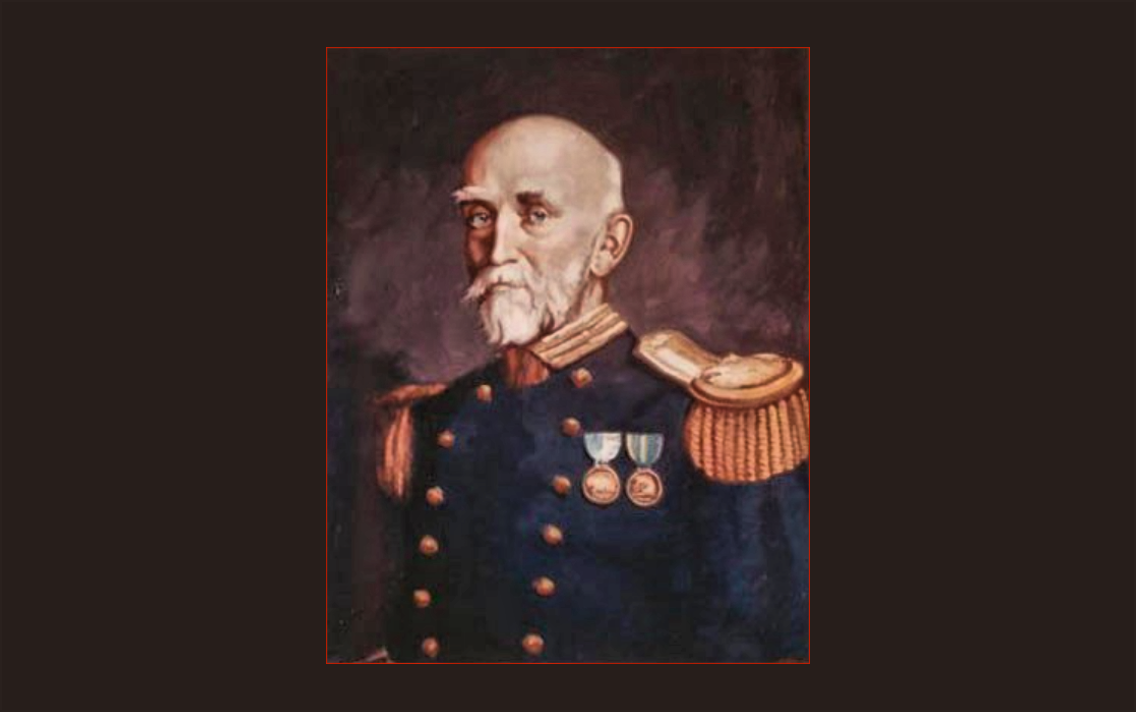
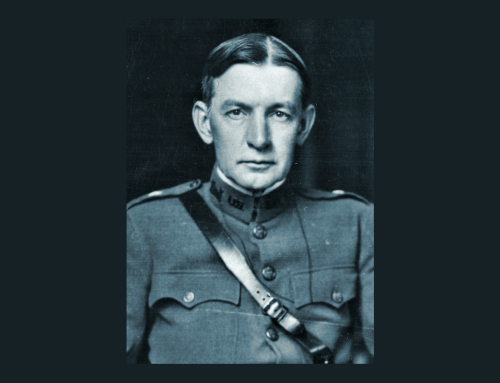
Alfred Thayer Mahan framed
Alfred Thayer Mahan
As July 1914 slipped into August, Europe convulsed into war. The actions of statesmen, the mobilization plans of militaries, and the fervor of peoples merged onto a path that yielded years of destruction later known as the First World War. However, across the Atlantic the mood was quite different; there, interest kindled in a way that occurs only when watching a catastrophe develop from afar.
Few in the first tumultuous weeks of the war became more captivated than Alfred Thayer Mahan. For over a quarter of a century, he had commented on the international environment, with a particular emphasis on the naval and economic elements of what he termed sea power. In the very year the war began, one article described Mahan as “America’s foremost naval strategist” and “the world’s greatest authority on sea power.” Needless to say, demand for his opinions about the war outpaced his capacity to supply them. Newspapers wanted his thoughts and magazines asked for articles. Overnight, he became inundated.
Then it all stopped. On 6 August, just two days after Britain declared war on Germany, President Woodrow Wilson issued the following instructions to both the Secretary of War and the Secretary of the Navy: “I write to suggest that you request and advise all officers of the service, whether active or retired, to refrain from public comment of any kind upon the military or political situation on the other side of the water.” Worried about how the states of Europe would perceive America’s professed neutrality, Wilson asserted, “It seems to me highly unwise and improper that officers of the Navy and Army of the United States should make any public utterances to which any color of political or military criticism can be given where other nations are involved.”
When Mahan, a retired USN officer, learned of Wilson’s order, he begged for governmental leaders to reconsider: “I would represent that the status of a retired naval officer is by law so detached from employment by the government, that his relation to the course of the government, and the consequent responsibility of the Government for his published opinions, differs scarcely at all from the case of a private citizen.” Mahan asked whether Wilson even had the authority to restrict a retired officer such as himself from writing.
Although he appealed for reconsideration, Mahan would not disobey the order. A life in the naval service had created too strong a loyalty for him to trespass against a presidential directive. Mahan’s son later explained that his father stopped his current writing project almost mid-sentence: “He obeyed the order so far that he would not even set pen to paper to write.” Wilson’s directive stifled Mahan’s airing of his views on the war; however, articles he had written before the presidential order, plus a smattering of comments in private letters over the next few months, supply important evidence of his opinions. Since Mahan died on 1 December 1914, his reflections on the war constituted his last words on the international environment and naval strategy.
Read the entire article on the Roads to the Great War website here:
External Web Site Notice: This page contains information directly presented from an external source. The terms and conditions of this page may not be the same as those of this website. Click here to read the full disclaimer notice for external web sites. Thank you.