How the US Affected the Results of World War I
Published: 19 February 2026
via the MindGuild.com website
how-the-US-affected-the-results-of-World-War-1
America’s Decisive Impact on the Great War
When the United States declared war on Germany on April 6, 1917, few could have predicted just how dramatically this decision would reshape the course of human history. 🇺🇸 After maintaining neutrality for nearly three years while Europe tore itself apart, America’s entry into the conflict brought fresh troops, unprecedented industrial capacity, and crucial financial resources that would ultimately tip the scales toward Allied victory. Understanding how the US affected the results of World War 1 reveals not just military strategy, but the emergence of America as a global superpower that would define the 20th century.
Key Takeaways
• Fresh Manpower: The US contributed over 2 million soldiers to the Western Front, providing desperately needed reinforcements when Allied forces were exhausted
• Industrial Powerhouse: American manufacturing capacity produced massive quantities of weapons, ammunition, and supplies that sustained the Allied war effort
• Financial Lifeline: US loans and credits totaling over $10 billion kept Britain and France financially afloat during the conflict’s final years
• Diplomatic Influence: President Wilson’s Fourteen Points shaped post-war negotiations and established America as a major voice in international affairs
• Technological Innovation: American contributions in aviation, communications, and logistics accelerated military modernization and tactical evolution
The Context of American Entry into World War I
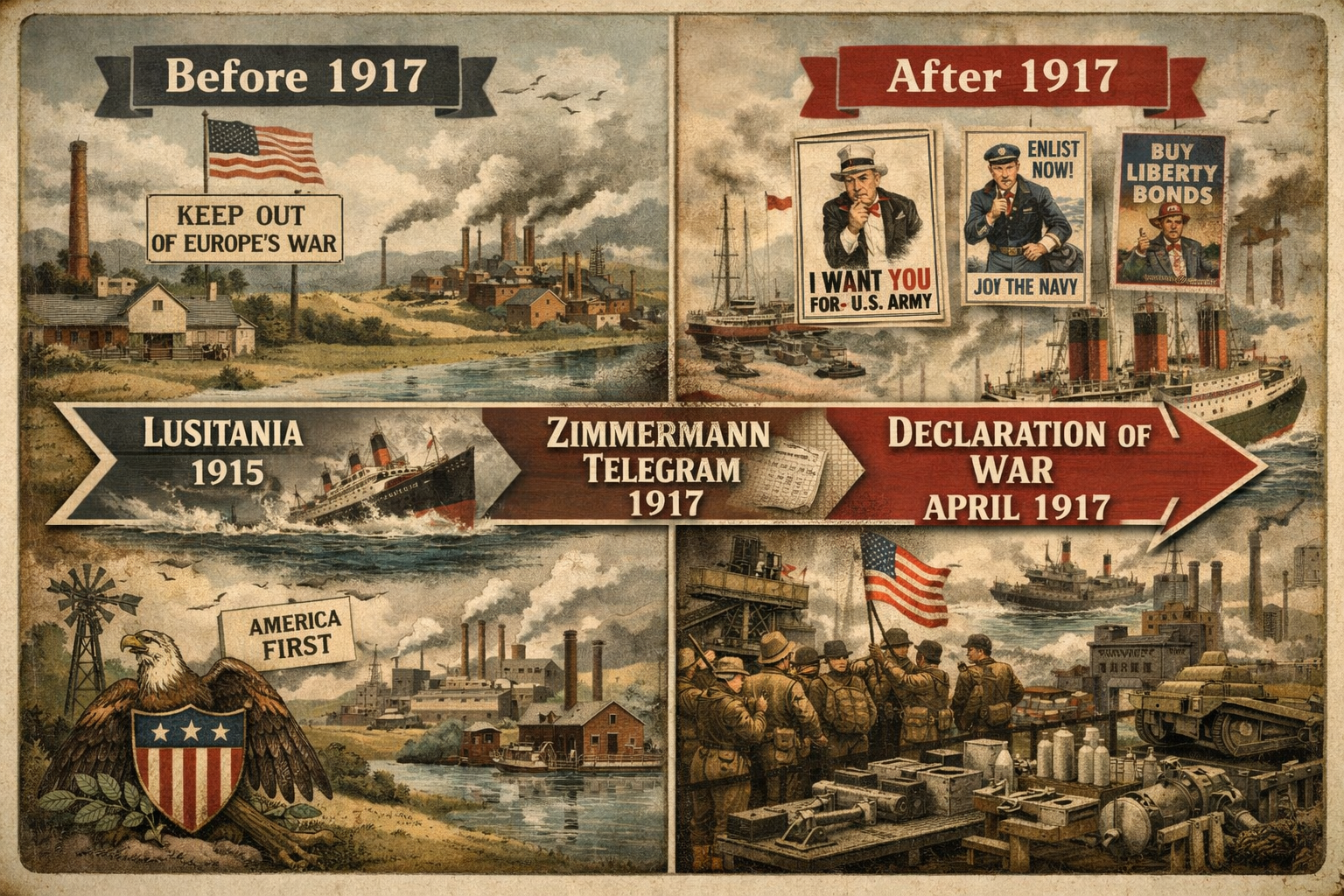
The United States spent the first three years of World War 1 attempting to maintain neutrality while profiting from trade with both sides. President Woodrow Wilson famously campaigned in 1916 on the slogan “He kept us out of war,” reflecting widespread American reluctance to become entangled in European conflicts.
However, several key events gradually pushed America toward intervention:
- The Lusitania Sinking (1915): German U-boats torpedoed the British passenger liner, killing 1,198 people including 128 Americans
- Unrestricted Submarine Warfare: Germany’s resumption of attacks on neutral shipping threatened American commercial interests
- The Zimmermann Telegram (1917): British intelligence intercepted a German diplomatic cable proposing a military alliance with Mexico against the US
When examining how political leaders’ decisions affect nations’ economies, Wilson’s choice to enter the war represented one of the most consequential economic and strategic decisions in American history.
America’s Military Preparedness in 1917
When the US declared war, the American military was woefully unprepared for large-scale European combat:
| Military Branch | Pre-War Size | Peak Wartime Size |
|---|---|---|
| Regular Army | 128,000 | 2.4 million |
| National Guard | 181,000 | 400,000 |
| Navy | 87,000 | 533,000 |
The rapid expansion required unprecedented mobilization efforts, including the first military draft since the Civil War.
How the US Affected the Results of World War 1 Through Military Intervention
America’s military contribution fundamentally altered the balance of power on the Western Front. When US forces began arriving in significant numbers during 1918, they encountered a war-weary Europe where both sides had been locked in devastating trench warfare for nearly four years.
The American Expeditionary Forces (AEF)
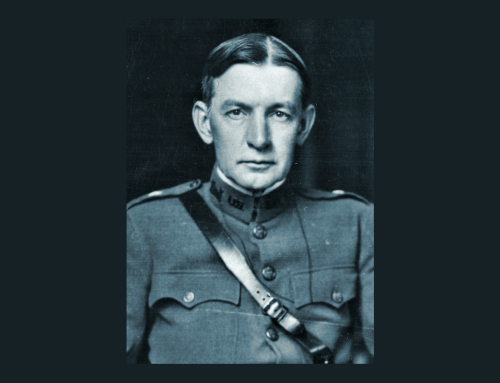
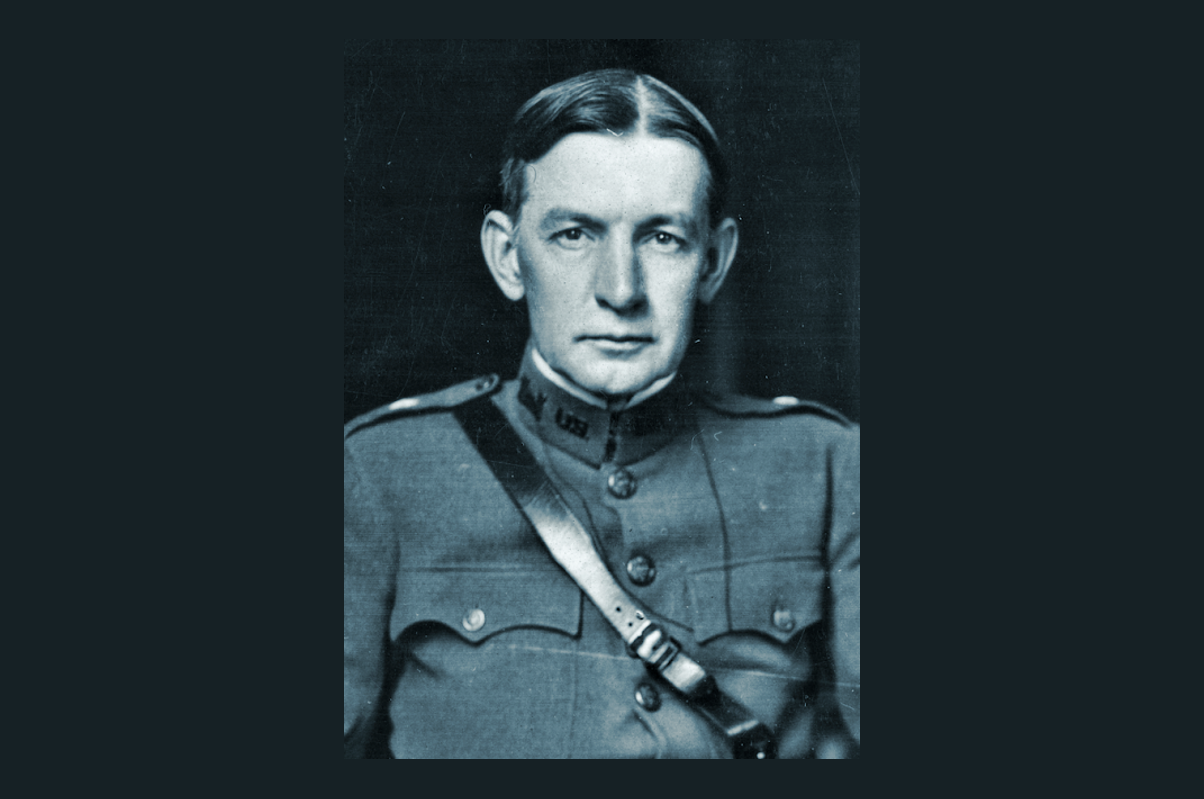
General John J. Pershing commanded the AEF with strict instructions to maintain American unit integrity rather than simply reinforcing existing Allied formations. This decision proved crucial for several reasons:
Fresh Fighting Spirit 🎖️
American doughboys brought enthusiasm and energy that contrasted sharply with the battle-weary Allied troops. Their arrival boosted morale across the entire Western Front.
Numerical Advantage
By November 1918, over 2 million American soldiers had reached Europe, with 200,000 arriving monthly at peak deployment. This influx overwhelmed German strategic calculations.
Modern Training and Equipment
American forces trained with the latest weapons and tactics, incorporating lessons learned from three years of European combat experience.
Read the entire article on the MindGuild.com website here:
External Web Site Notice: This page contains information directly presented from an external source. The terms and conditions of this page may not be the same as those of this website. Click here to read the full disclaimer notice for external web sites. Thank you.