Historic Districts in North Carolina That Expanded After World War I
Published: 3 February 2026
By John Franksman
Special to the Doughboy Foundation website
Historic Districts in North Carolina That Expanded After the War (1)
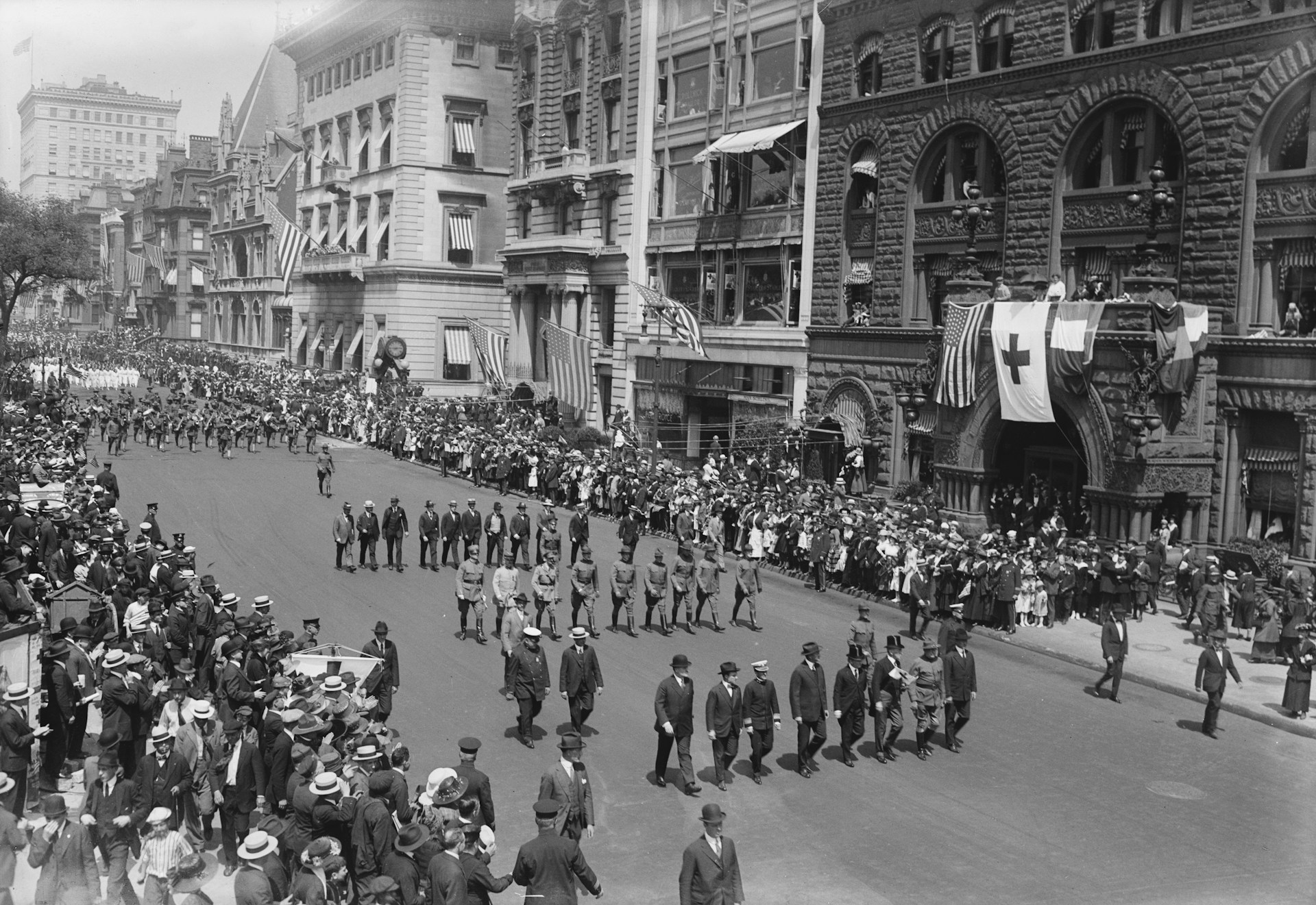
A WWI parade in New York City near the end of war. Just as the war had a profund on NYC and other major metro areas, it also affected may other parts of the nation, like North Carolina.
After World War I, North Carolina changed at a visible pace. Soldiers returned home. Factories grew. Rail lines stayed busy. Towns stretched past their old edges. People needed houses, stores, schools, and churches. They built them fast. Over time, many of these areas gained legal status and public respect. Today, people refer to these places as historic districts in North Carolina because they show how life changed after the war. They hold clues about work, family, class, and hope. The buildings speak in brick, wood, and glass. They show how a state moved from rural roots into a modern age.
The Postwar Push for Growth
The war ended in 1918, but its effects didn’t stop. Soldiers came home with new skills and new views. Many had seen cities in Europe. They wanted better streets and stronger homes. North Carolina towns responded with speed. Mills hired workers. Banks gave loans. City leaders drew new street plans.
Raleigh expanded north and west. Durham grew around tobacco plants and textile shops. Winston-Salem spread near its factories. Charlotte rose as a trade and rail center. These places needed space. Developers bought land outside old town limits. They laid out grids. They sold lots. Families moved in.
Houses from this period often share clear traits. Builders used wood frames. They added porches and wide windows. They used simple trim. The goal was comfort and function. People wanted light, air, and space for family life. Streets had sidewalks. Trees lined the edges. These choices shaped how districts look today.
Moving Families and the Cost of Change
As towns grew, people moved from farms to cities. They also moved within cities. A worker might leave a boarding house and buy a small home. A clerk might shift from a crowded block to a new street with more room. These moves cost money, so families planned with care.
Some families saved by doing the work themselves. Others chose a different path. People who returned after the war often learned that time had real value. If you plan to move into one of these districts, you might consider getting some help because hiring movers can save you money over time. A crew can move goods fast. They reduce damage. They cut lost work days. A missed day at a mill or office once meant lost pay. Smart choices kept families steady as districts expanded.
This pattern fits the postwar story. People made practical moves. They did not chase the show. They chased stability. They wanted a roof that held. They wanted a street that felt safe. They wanted neighbors they could trust.
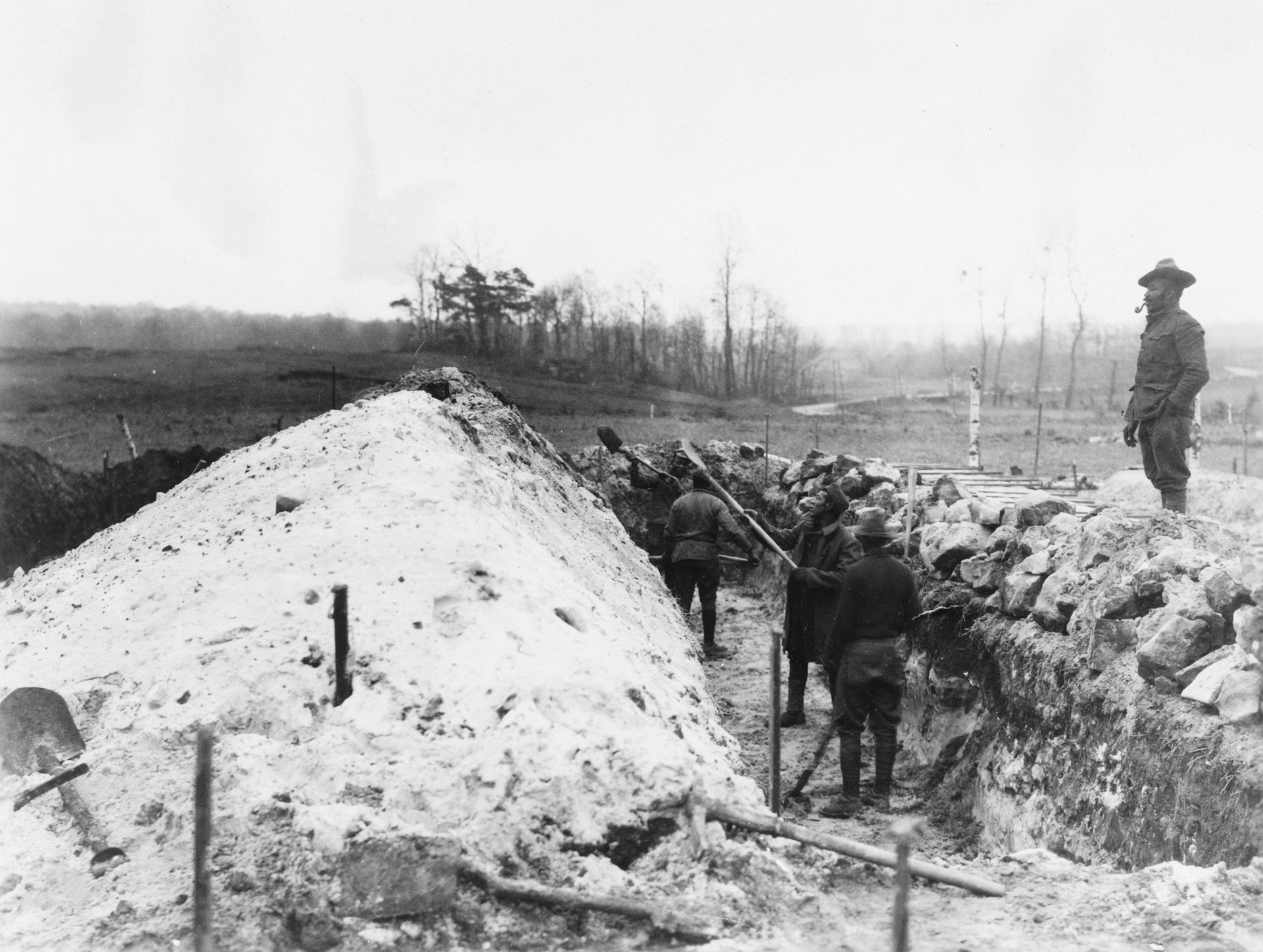
People who returned from WWI, returned with a sense that time is very valuable.
Mill Villages and Working-Class Blocks
Textile mills stood at the center of many towns. Around them grew mill villages. These were full neighborhoods built for workers. The company often owned the land and the homes. The houses were close. The yards were small. The goal was simple. Keep workers near the job.
In places such as Greensboro and Gastonia, mill villages expanded after the war. The mills hired more hands. Families arrived from the hills and farms. They brought their customs and food ways. They formed clubs and church groups. Over time, these areas gained a shared sense of pride.
The buildings show that past. Many still stand. They have narrow fronts. They sit near one another. They show how work and home life once blended. These areas now hold value as records of labor history. They remind us that growth did not start in boardrooms. It started on factory floors.
Downtown Edges and Mixed Use Streets
Not all growth happened near mills. Some districts formed near old town centers. Shops pushed out from main streets. Apartments rose over stores. Offices filled old homes. This mix gave life to many blocks.
Durham offers a clear case. Tobacco money fueled its rise. After the war, streets near downtown gained new buildings. Brick shops replaced wooden ones. Banks and theaters opened. People walked to work and to church. They lived near the action.
These areas now stand as records of daily life. They show how people lived close to jobs. They show how business and home life met in shared space. This blend made towns active from morning to night.
Suburbs and the Search for Calm
Not everyone wanted to live near factories. Some families looked for quieter streets. They chose areas at the edge of town. These early suburbs grew after the war. Streetcar lines made them possible. A worker could live far from work and still arrive on time.
Charlotte saw this change. Neighborhoods such as Dilworth and Myers Park expanded. They had curving streets. They had large lots. They had shade trees. These places aimed at comfort. They drew clerks, teachers, and small business owners.
The houses reflect that aim. They show more space. They show varied styles. They show care in design. These areas still hold that calm feel. They tell a story of how people sought balance after years of stress and loss.
Preservation and Public Memory
Many postwar districts faced risk in later years. Roads cut through old blocks. New towers replaced small homes. Some areas lost their past in the rush for profit. Others found support through local action.
Citizens formed groups. They asked cities to mark key areas. They pushed for laws that protect old buildings. Over time, many districts gained legal status. This status helps keep their look and feel.
Preservation is not about freezing time. It is about respect. It keeps links between past and present. It allows people to see how towns grew and changed.
Historic districts in North Carolina act as living classrooms. They teach through walls and windows. They show how the state met the postwar age with effort and care.
Lessons from Postwar Expansion
The growth after World War I left marks that still guide the state. It shows that change moves fast after a crisis. It shows that people seek both work and rest. It shows that space shapes daily life.
Each district tells a clear tale. Mill villages speak of labor and unity. Downtown edges speak of trade and mix. Suburbs speak of calm and order.
These amazing stories stay with us. They help citizens understand where they live. They help planners see what works. They help students learn how the past shapes the present.
A Lasting Record of Hope and Effort
The postwar years asked much of North Carolina. People met the task with work and care. They built streets, homes, and towns that still serve today. The districts that grew in that era hold more than old wood and brick. They hold memories.
They show how people came back from war and built peace in daily life. They show how growth can hold both speed and sense. They stand as guides for future change.
In the end, historic districts in North Carolina remain strong links between past and present. They keep stories alive. They give shape to memory. They remind all who walk their streets that progress starts with people who build, move, and stay.
John Franksman is a WWI enthusiast from Raleigh, NC, with a passion for sharing the fascinating stories of a powerful chapter in American history that too often goes overlooked.
External Web Site Notice: This page contains information directly presented from an external source. The terms and conditions of this page may not be the same as those of this website. Click here to read the full disclaimer notice for external web sites. Thank you.