First World War weatherman who saw the future of forecasting
Published: 10 May 2026
By Ivor Williams
via the TCW website
ukweather-696×348
JUST for a few minutes let me take you away from your worries. Forget your ever-rising cost of living, your concern over world leaders acting strangely or not acting at all, and your anxiety about the political and climatological state of the world. Instead I’ll tell you why the weather on May 20 more than one hundred years ago became so important.
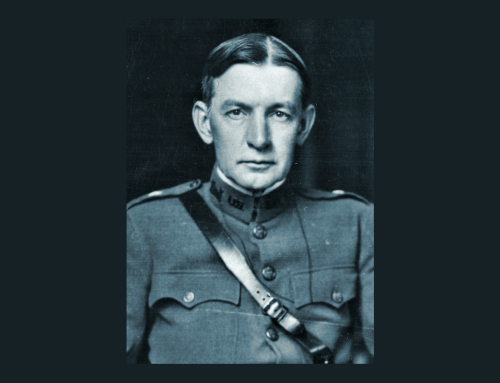
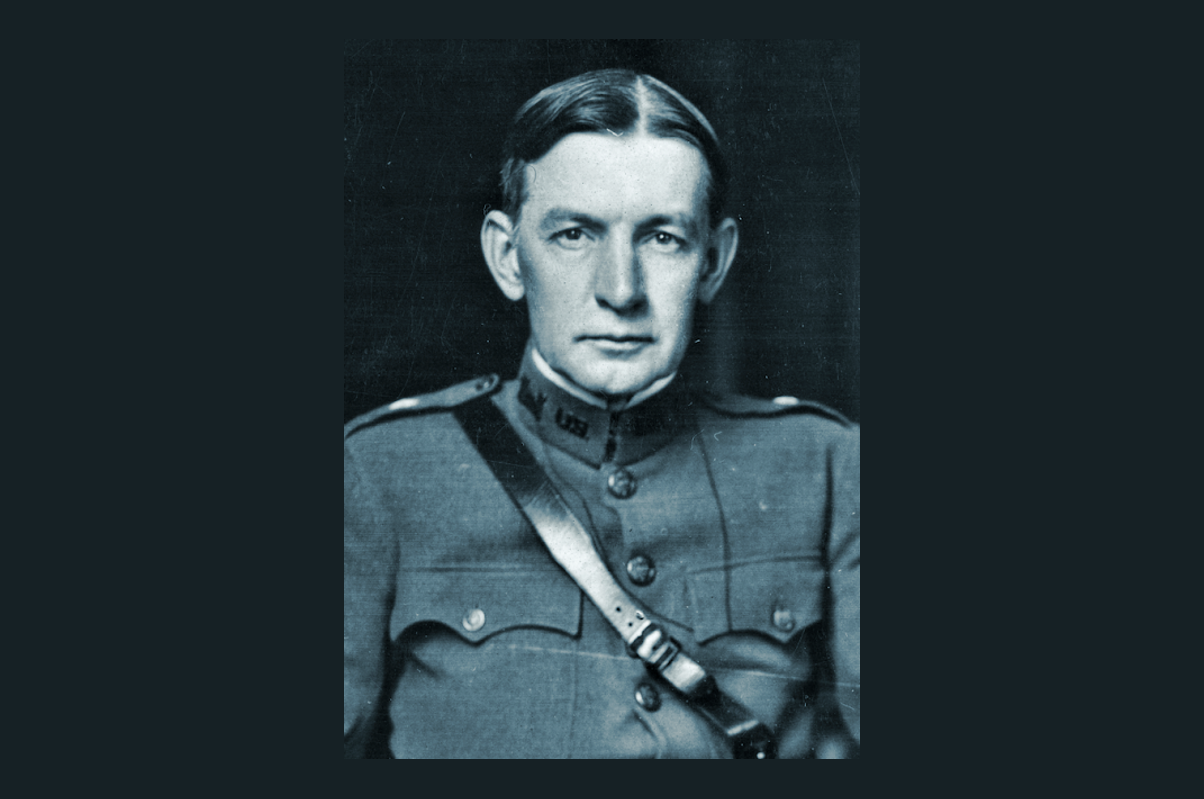
In the grim months of 1917 there was a British ambulance driver working with the French 16th Infantry Division in the trenches near Rheims. He had been in a secure and responsible job of national importance with the UK Met Office, but as a Quaker appalled by what was happening in France, in 1916 he volunteered to join the Friends’ Ambulance Unit.
He had a first-class Cambridge degree and was fascinated by the possibility of mathematics. When he heard about the Titanic disaster in 1912 he devised a method of calculating the distance of an iceberg by timing sound echoes, using a penny whistle, an umbrella (to amplify the echo) and an Isle of Wight pier.
He realised that given sufficient data, the problems of weather forecasting might be attacked mathematically. He took with him into the trenches a mass of reports from weather stations for 7am on May 20, 1910. He used all his spare time constructing equations to produce a forecast for six hours ahead, wanting to compare his result with what actually happened.
At the same time he wrote a book which described how, given enough data and a great many human calculators, it might be possible to forecast the weather by using numerical methods. The whole thing got lost in the battle of Champagne in April 1917, but was miraculously discovered in a heap of coal several months later. An official history of the Met Office confirms this unlikely tale.
The book, Weather Prediction by Numerical Process, came out in 1922. Reviewers were unimpressed because of its difficult maths, and because the author had been totally honest and included his forecast results, which were not very convincing. In fact they were pretty awful. Then there was his picture of the future: numerical forecasting would be carried out in a huge theatre, where 64,000 ‘computers’ (i.e. people, possibly with slide rules) would sit in various positions appropriate to that particular country’s data. Supervisors would issue and collect the data under the control of one director seated in a high tower in the middle of the arena.
In a remarkable vision he wrote: ‘Perhaps some day in the dim future it will be possible to advance the computations faster than the weather advances and at a cost less than the saving to mankind due to the information gained. But that is a dream.’
Read the entire article on the TCW website here:
External Web Site Notice: This page contains information directly presented from an external source. The terms and conditions of this page may not be the same as those of this website. Click here to read the full disclaimer notice for external web sites. Thank you.