Carrying on the Liggett Legacy
Published: 23 March 2026
By Amy Phillips
via the DVIDS website
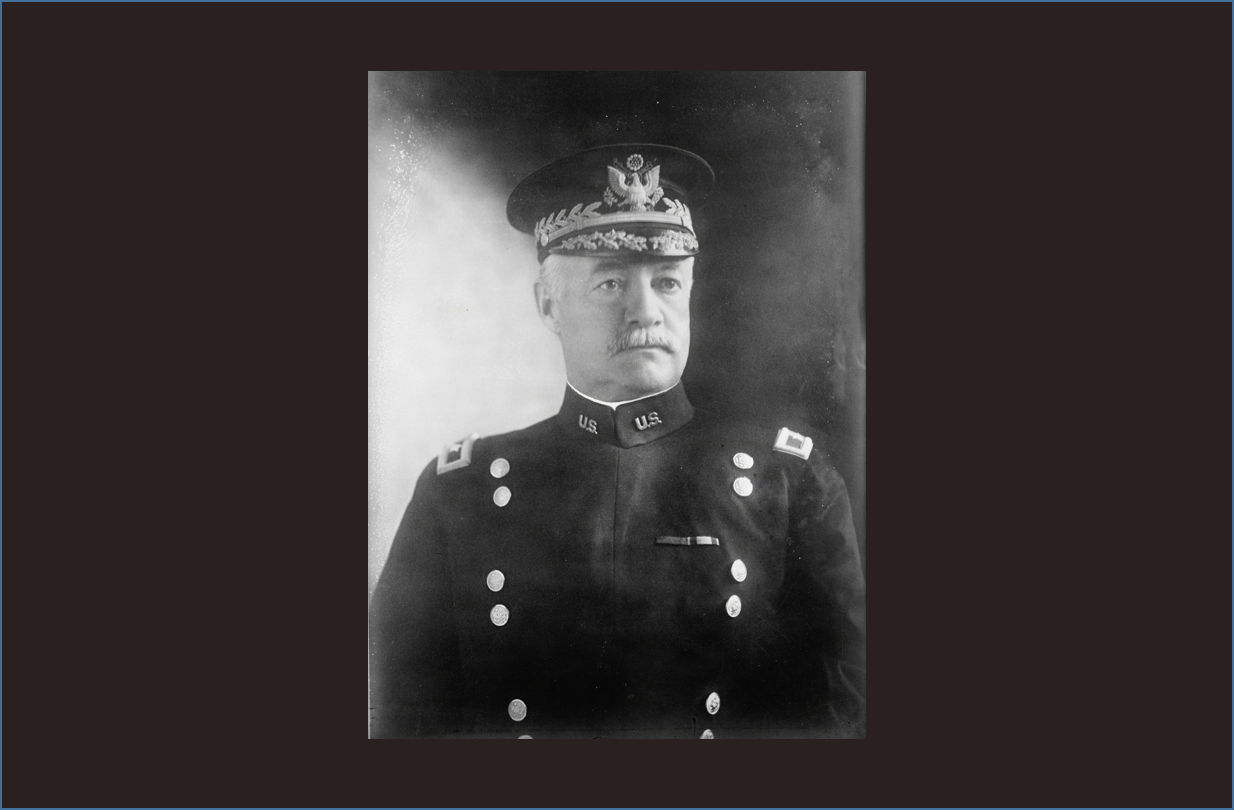
Lt. Gen. Hunter Liggett framed
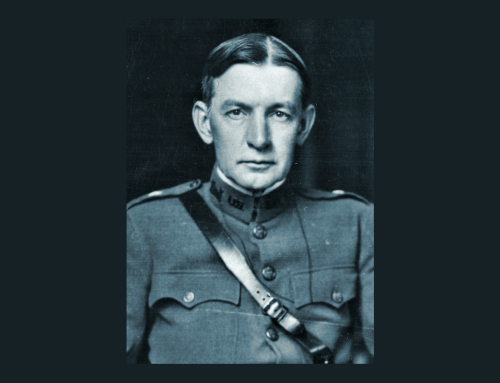
Lt. Gen. Hunter Liggett (as a brigadier general in this photo) was a highly respected U.S. Army officer whose 42-year career spanned from the Indian Wars to commanding the First Army in WWI. He exemplified the soldier scholar, combining a deep understanding of military history with innovative leadership. (National Archives photo)
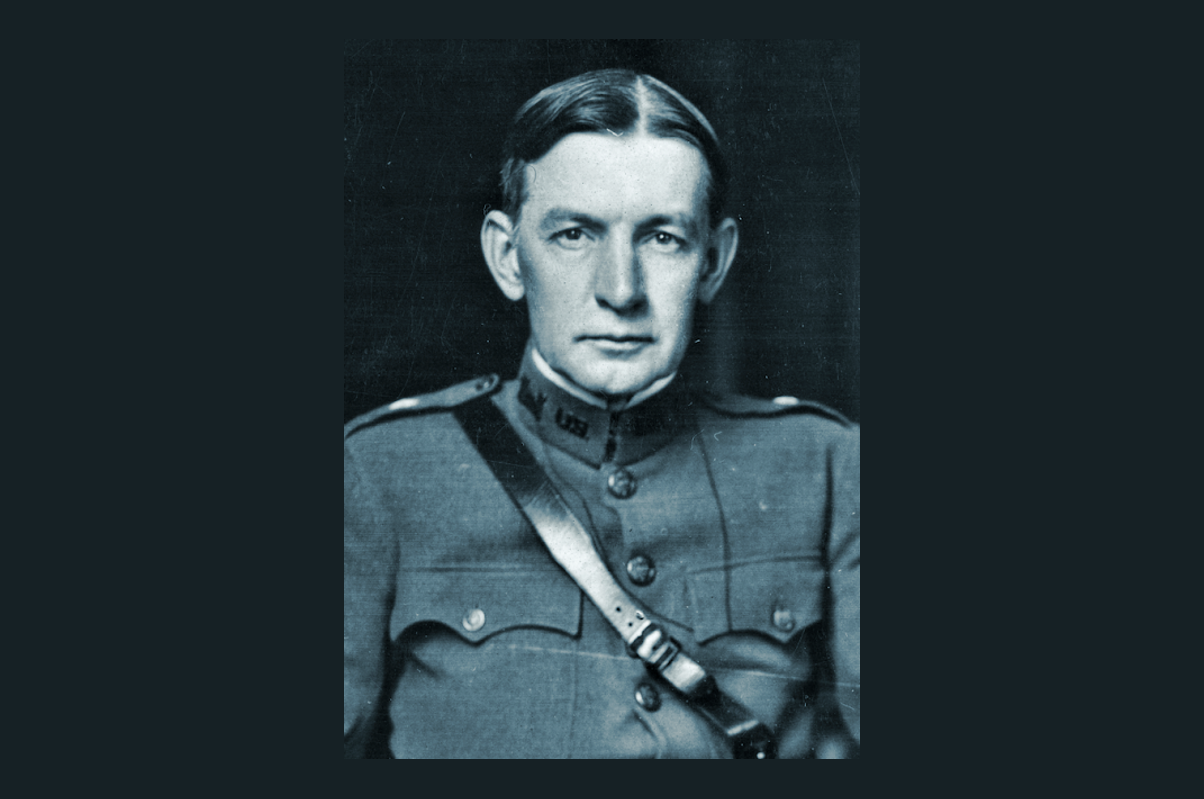
Lt. Gen. Hunter Liggett was a highly respected U.S. Army officer whose 42-year career spanned from the Indian Wars to commanding the First Army in WWI. He is known as a “Soldier’s Soldier” and a “Scholar-Soldier” to credit his exceptional depth of knowledge, critical thinking skill, meticulous planning and preparation, and above all, taking care of Soldiers.
Author and Army historian Michael Bigelow says, “Liggett’s ceaseless preparation allowed him to break free of the stereotypical, unimaginative generalship that too often characterized World War I commanders.” He adds that Liggett’s decades of experience as a Soldier enabled him “to develop practical solutions to the complexities of modern war.”
This skill remains critically relevant in today’s multi-domain and high-tech battlefield where there are no “front lines” or safe zones as defined in the WWII era. Liggett also believed in combined arms to defeat the enemy. “We all need to channel our inner Hunter Liggett,” said FHL’s Senior Commander, Maj. Gen. Windsor S. Buzza, who is also the 63rd Readiness Division commanding general. “We should apply his creativity, ingenuity and tenacious preparation while studying the current Ukraine, Gaza and Iran conflicts, and use that knowledge to field a dominant multi-domain capable U.S. Army for our next fight.”
Liggett’s effective leadership was based on institutional schooling, operational experience, and training. This proven formula carries on in today’s Army with the Army University, training exercises, deployments, and real-world missions. Established in 2025, the Army University integrates and consolidates more than 70 schools under one university system and synchronizes more than 100 institutions.
Soldiers begin their indoctrination with basic and advanced courses, then attend many other training courses throughout their career. Soldiers may also have an option to switch their career field based on the Army’s need to fill certain occupations or at a Soldier’s request.
The 80th Total Army School System (TASS) Training Center (80th TTC) at FHL is transitioning into the 104th Army Reserve Readiness Training Center (ARRTC). It specializes in training enlisted Soldiers to “reclassify” into a new Military Occupational Skill (MOS).
Newly arrived to set the stage for the 104th ARRTC is Maj. Colby Wallis, Chief Operations Officer who says, “Whether being reclassed by the military according to their needs or if it’s the Soldiers’ decision, it’s important to know that having a second or third MOS is very advantageous to Soldiers and will help in their progression.”
“We’re thrilled to welcome the new Soldiers to the Fort Hunter Liggett family,” said Garrison Commander Col. Jason McKenzie. “This influx not only strengthens our mission but also provides the requirement for increased resources, enabling us to expand Soldier support services and overall quality of life to our community. We are eager to be a part of the Army’s Transformation Initiative and opportunities it continues to bring to our installation.”
Army officers also have a series of professional development courses tailored to their career progression and branch. The Command and General Staff College (CGSC) and the Army War College are part of the Army University system. Liggett attended both colleges and upon graduation from the Army War College served as the director and its president of from 1912-1914. During his tenure, the Army War College was located at Fort Leavenworth, Kansas. Today, the War College is located at Carlisle Barracks, Pennsylvania. Liggett’s legacy is still felt at the CGSC as thousands of officers annually attend the college and other pre-command courses.
Read the entire article on the DIVIDS website.
External Web Site Notice: This page contains information directly presented from an external source. The terms and conditions of this page may not be the same as those of this website. Click here to read the full disclaimer notice for external web sites. Thank you.