Why Sir Barton’s 1919 Triple Crown Victory Was America’s First Postwar Triumph
Published: 20 May 2026
Special to the Doughboy Foundation website
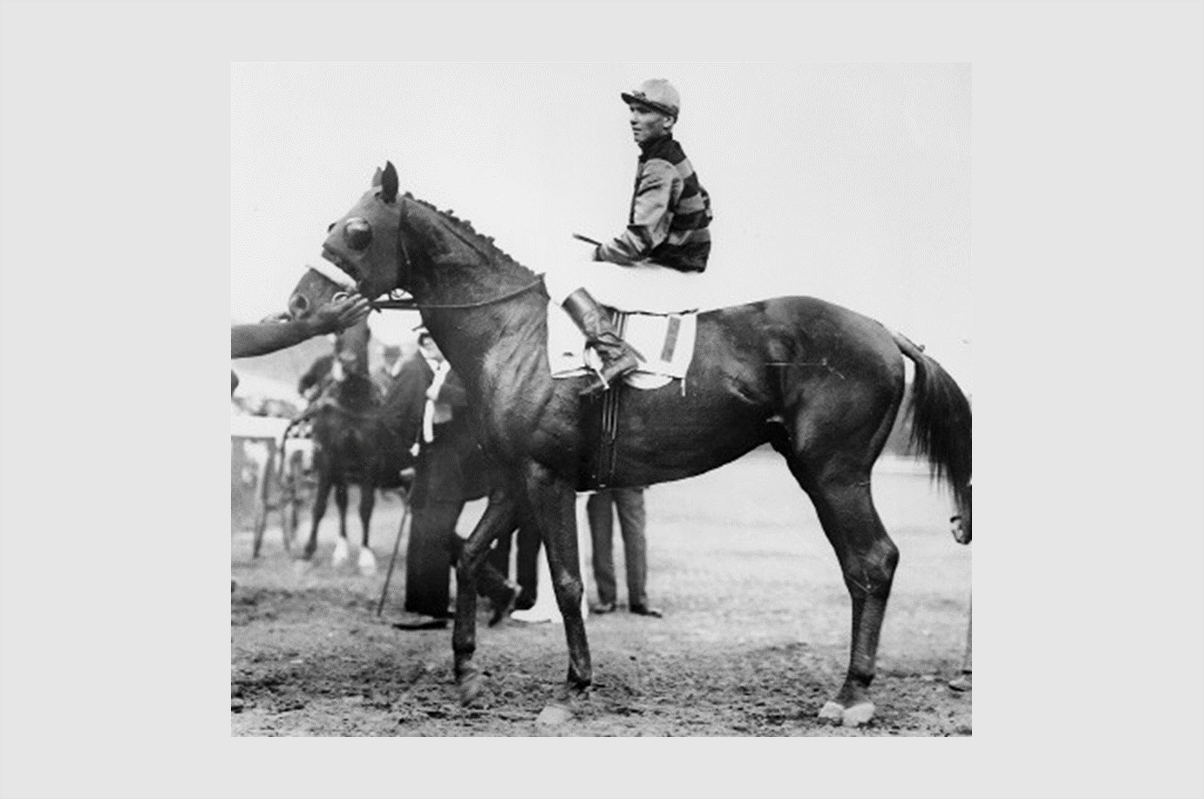
Sir Barton
Horse racing is one of the most historic sports still contested to this day in the United States. The sport does an excellent job of honouring the greats that have achieved historic successes on track, with the legendary moments in prestigious races ensuring that new eyes, and subsequently fans, have been brought into the sport.
Nowadays, racing is followed across the whole of the United States, with the Triple Crown races capturing the mainstream attention. Therefore, there will be millions of fans of the sport awaiting the Belmont entries in order to see which horses will take their chance in the final race of the Triple Crown at Saratoga.
However, it could be argued that the success of racing in this modern day wouldn’t have been achieved had it not been for Sir Barton’s domination in the 1919 Triple Crown, the year after the end of WWI.
Sir Barton’s Triple Crown Win
Sir Barton became the inaugural winner of the American Triple Crown in 1919, attracting global eyes to the sport of racing in the United States. Unlike future champions, the equine made a winning return to action in his three-year-old by landing the Kentucky Derby.
That is an impossible feat in this modern day, as runners will need to compete in races on the Road to the Kentucky Derby in order to win qualifying points. After winning the Derby by five lengths, connections immediately decided to ship Sir Barton to Maryland for the Preakness Stakes.
The legendary colt would dominate the field at Pimlico, going wire-to-wire to win by four lengths. Sir Barton would then target the historic feat of winning the Triple Crown at the 1919 Belmont Stakes. He would be more that ready for his shot at history, winning in an American-record time.
Rmarkably, the victories in the Classics would also be achieved in a space of just 32 days, and his feat later saw him honored after being named the 1919 Horse of the Year.
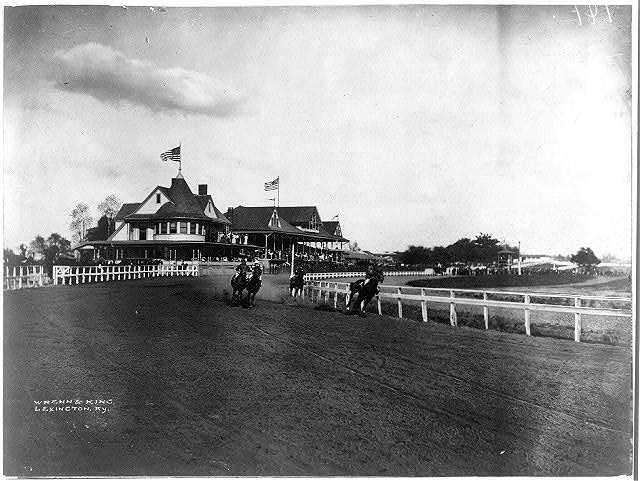
Churchill Downs, site of the Kentucky Derby, in 1919, the year after Sir Barton won the Kentucky, the first leg of the first-ever Triple Crown win.
Restoring Postwar Morale
Certain horses have the power to transcend the sport, and that was certainly the case with Sir Barton. The equine helped raise the morale of citizens in the United States, with his Kentucky Derby win coming just months after the end of the First World War.
Many Americans were hoping for a return to normalcy following the lifting on wartime restrictions. Sir Barton’s wins on track helped to capture the imagination of the public, becoming a national symbol of optimism and energy in postwar America.
Normal Life Resumes
Another big factor surrounding Sir Barton’s victory was the fact that it signalled the return of normal life following the War. Horse racing had been largely disrupted throughout the War, with many races on the schedule either cancelled or rearranged on short notice.
However, Sir Barton’s win in the Derby signalled that life in the United States was back to normal, with major sporting events getting back into the swing of things.
Not only that, but sport offered a release for those that had been anxious throughout the War, and the adrenaline rush of watching a legendary thoroughbred achieve an unlikely target offered hope for all those that witnessed his success.
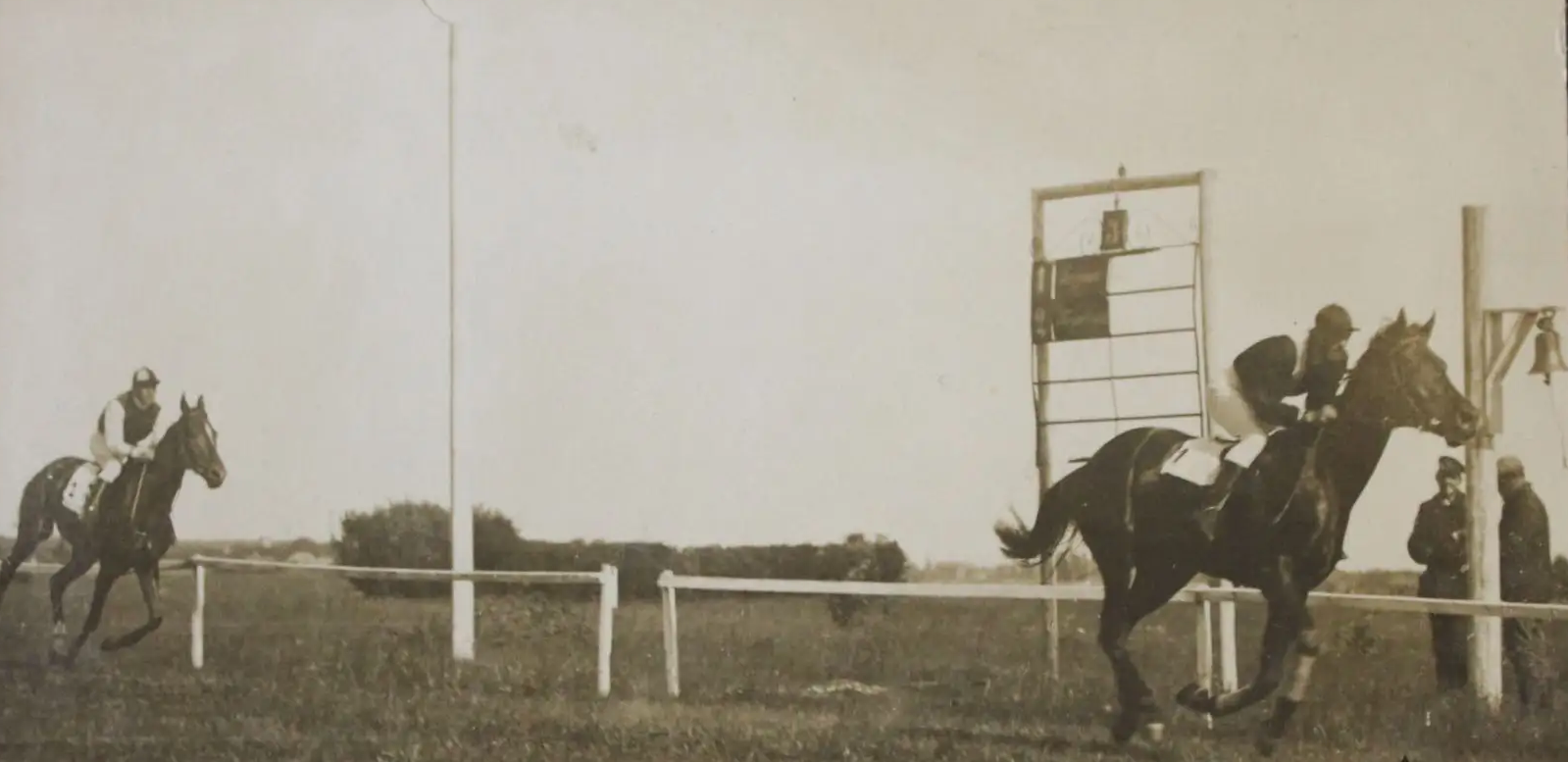
Horse racing during the war years.
Traditions Born
The Kentucky Derby is one of the key dates in the diary in this modern day, but that wasn’t always the case. It could be argued that Sir Barton’s won increased the public interest in the race, as many would tune in year after year in order to hopefully witness another runner winning the Triple Crown.
While the tradition and importance of the Derby was born in 1919, it wouldn’t be for another ten years before the term ‘Triple Crown’ was used to define the series of races. Charles Hatton used the term for the first time in 1930, with Sir Barton declared the first Triple Crown winner.
The historic feat achieved by the equine set the standard for future generations to follow, and established a template that would form the backbone of the racing industry in the U.S.
Sir Barton’s Later Career
After sweeping the Triple Crown, Sir Barton would be a blockbuster name whenever he was declared to run, ensuring that every race that he ran in would attract international attention.
After winning the Belmont Stakes, the equine finished second in the Dwyer Stakes, before ending the campaign with the biggest prize money accumulated in 1919. The superstar would return to the track as a four-year-old, winning five of his 12 starts. The standout race for the Triple Crown champion in 1920 was a seven-length defeat at the hands of the legendary Man o’War in a match race.
Sir Barton was retired at the end of the 1920 season, but his achievements on track would be honoured on countless occasions. He has a street named after him in Lexington, Kentucky, and Sir Barton was inducted into the National Museum of Racing and Hall of Fame in 1957.
External Web Site Notice: This page contains information directly presented from an external source. The terms and conditions of this page may not be the same as those of this website. Click here to read the full disclaimer notice for external web sites. Thank you.