My Great Uncle Sam
Published: 27 April 2026
By Marvin W. Barrash
Special to the Doughboy Foundation website
Header image Barrash April 2026
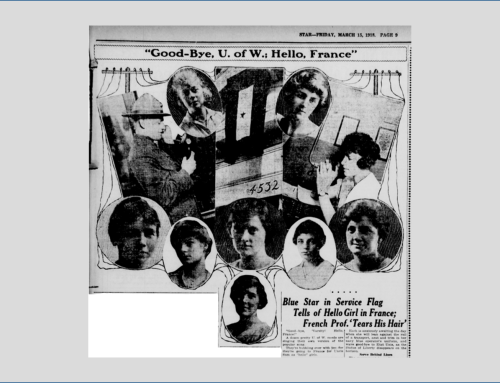
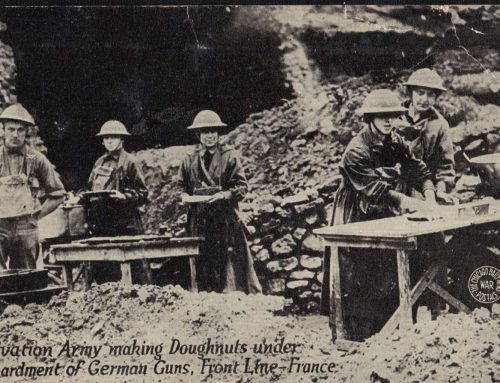
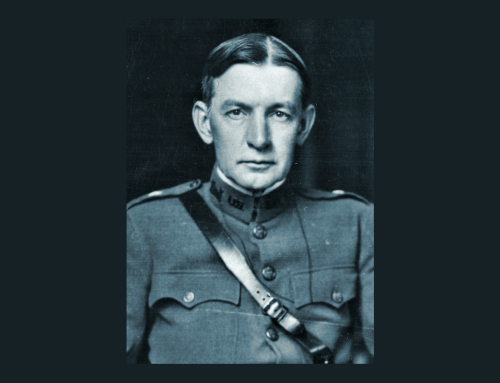
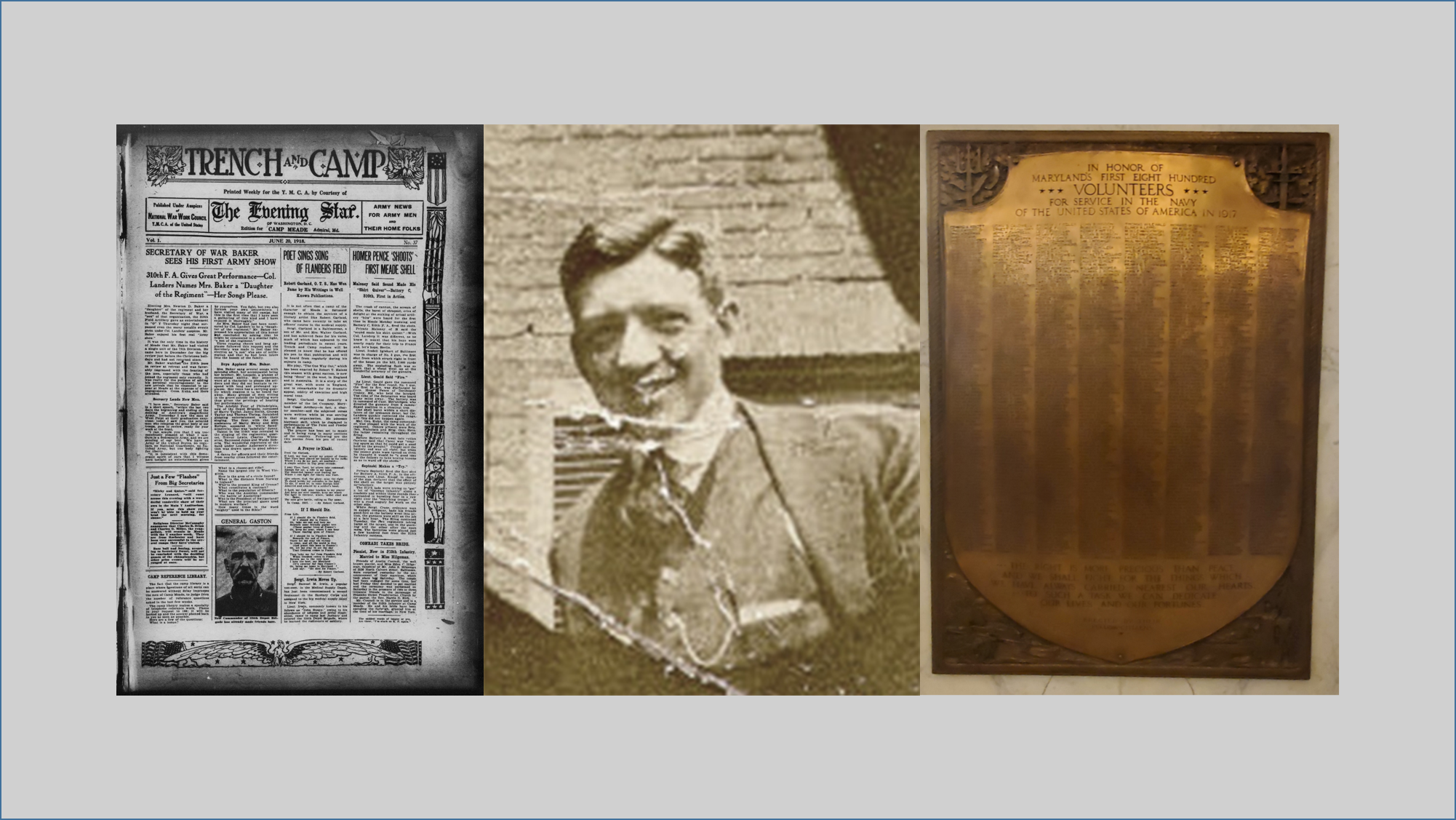
(left to right) The WWI Trench and Camp newspaper from Camp Meade, MD, where Samuel Merkel took basic training with the U.S. Army; Samuel Merkel in an undated photo; the Honor Boys Plaque in the Maryland State Capitol, which contains the name of Sam's brother Lawrence, who was lost at sea aboard the U.S.S. Cyclops .
Growing up, I actually had two great-uncle Sams in my family; however, only one had a connection to the Great War. I recall having only met my great uncle, Samuel Merkel, on a few occasions when I young. Despite the many years that have since passed, I still recall his kind, gentle manner and smile. When I knew him, he was elderly. He was a tall, slender man with a full head of silver hair. Back then, all I really knew about him was that he was one of several siblings of my paternal grandmother Etta (nee Merkel) Barrash. There are so many questions about his life and others in the family that I wish that I had known enough to ask of him. He and all of others of his generation in my family have long since passed on. It was only when I set out to research great uncle Sam’s younger brother, Lawrence, decades ago, that I discovered that Samuel Merkel had served in the United States Army during the Great War.
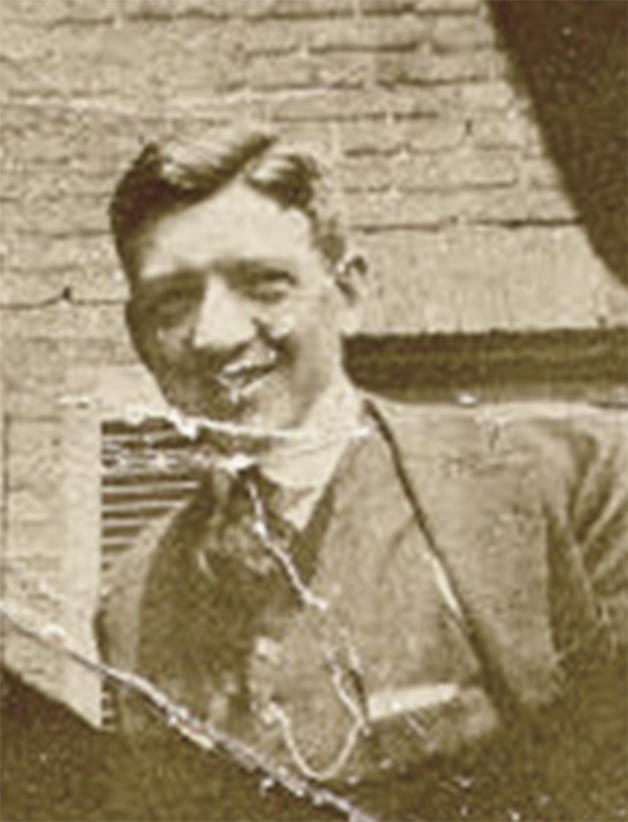
Samuel Merkel – Undated earliest photograph [1]
Samuel Merkel was the third of eight children in the household headed by my great grandparents Morris (1859-1925) and Esther Rachael (1863-1961) Merkel. Morris Merkel had a tailor shop at 1123 Laurens Street in Baltimore, Maryland above which the family resided. By 1918 one of the daughters had married and moved to Virginia. Two of the sons, including Samuel had moved to a nearby address.
As soon as the call went out for volunteers for the navy, their 22-year-old son, Lawrence, enlisted on April 20, 1917, at the Navy Recruiting Station in Baltimore. He was one of the first 800 men from Maryland to enlist in the navy. Baltimore newspapers printed the names of the navy enlistments each day. These 800 were called the Honor Boys. Their names were placed on a huge bronze plaque that traveled around the state to encourage additional enlistments. The 7-foot tall by 5-foot-wide plaque was eventually affixed to one of the walls in the rotunda of the State House, in Annapolis, Maryland. Today, the plaque remains on public display in the historic building.

Honor Boys Plaque in the Rotunda, Maryland State House, Annapolis [2]
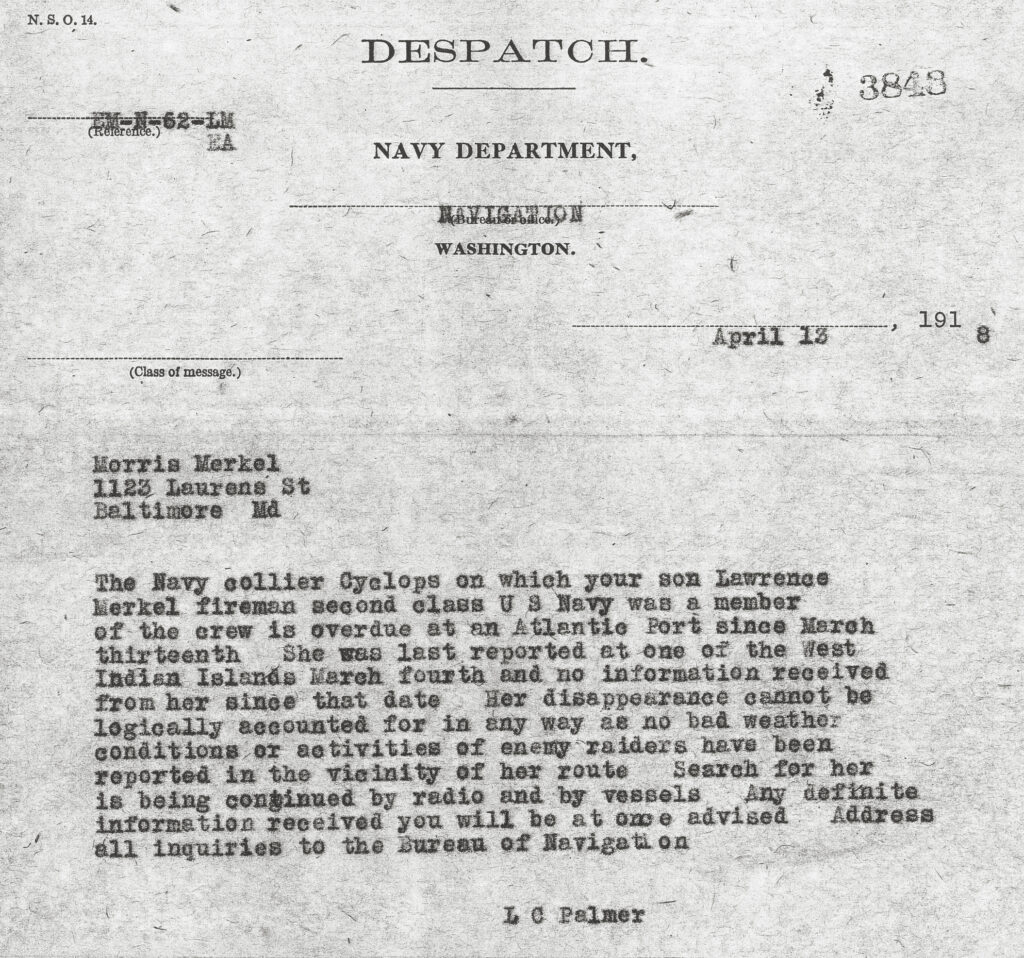
Notification from the Navy Department [4]
“The Navy collier Cyclops on which your son Lawrence Merkel fireman second class U S Navy was a member of the crew is overdue at an Atlantic port since March thirteenth. She was last reported at one of the West Indian Islands March fourth and no information received from her since that date. Her disappearance cannot be logically accounted for in any way as no bad weather conditions or activities of enemy raiders have been reported in the vicinity of her route. Search for her is being continued by radio and by vessels. Any definite information received you will be at once advised. Address all inquiries to the Bureau of Navigation.
L C Palmer” [5]
Without any further news concerning his brother, since the April 13th telegram, Samuel Merkel reported, on May 28, 1918, to his local Selective Service Draft Board, Number 3, at 22 South Broadway[6] in Baltimore, Maryland. In lieu of registering for the draft, he went ahead and enlisted in the United States Army.[7]
I had been of the understanding that my great uncle Sam was one of the older siblings in the Merkel family; however, based on his date of birth in his Veterans Bureau Master Index Card, he would have been 21 years old; two years younger than his brother Lawrence who was missing in action. His service listing in “Maryland in the World War” showed that he was 26 years old. Using the date on his death certificate, he was actually 29-years-old when he enlisted. Taking into consideration that most people in 1918 did not carry a wallet full of identification cards unlike today, he could have enlisted with an incorrect year of birth with no way for the local board to know the facts. It just seemed odd that while his month and day of birth remained consistent, his year of birth was not.
The rationale that comes to mind is that he must have been strongly motivated to enlist in response his brother being missing in action. One important criterion of eligibility to enlist in the army involved one’s age. The upper-age limit at the time he enlisted was 30.[8] In fact, being only 29 years old should have eliminated that concern had he known. His new-found youth on paper helped to guarantee his acceptance into the army.
Immediately after he enlisted, Samuel Merkel was sent to Camp Meade[9], in Admiral, Maryland [now Fort Meade]. [10] Regular rail service was available from Baltimore to the camp. He was assigned to 5th Company, 154th Depot Brigade. His rank was Private with a basic pay of $33.00[11] per month.
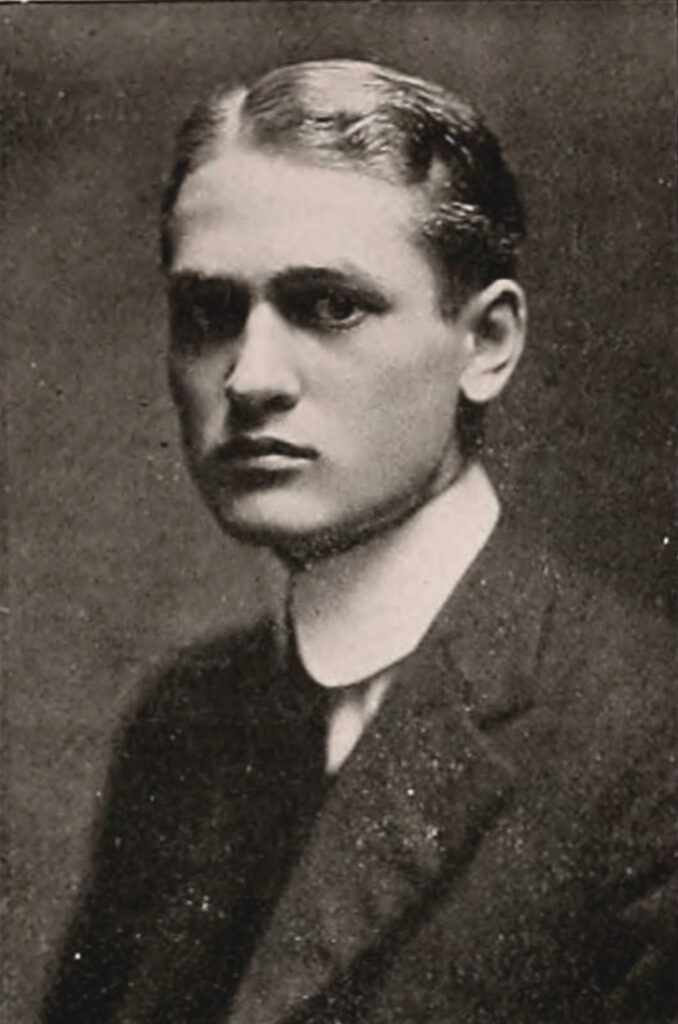
William C. Longstreth [12] in 1913
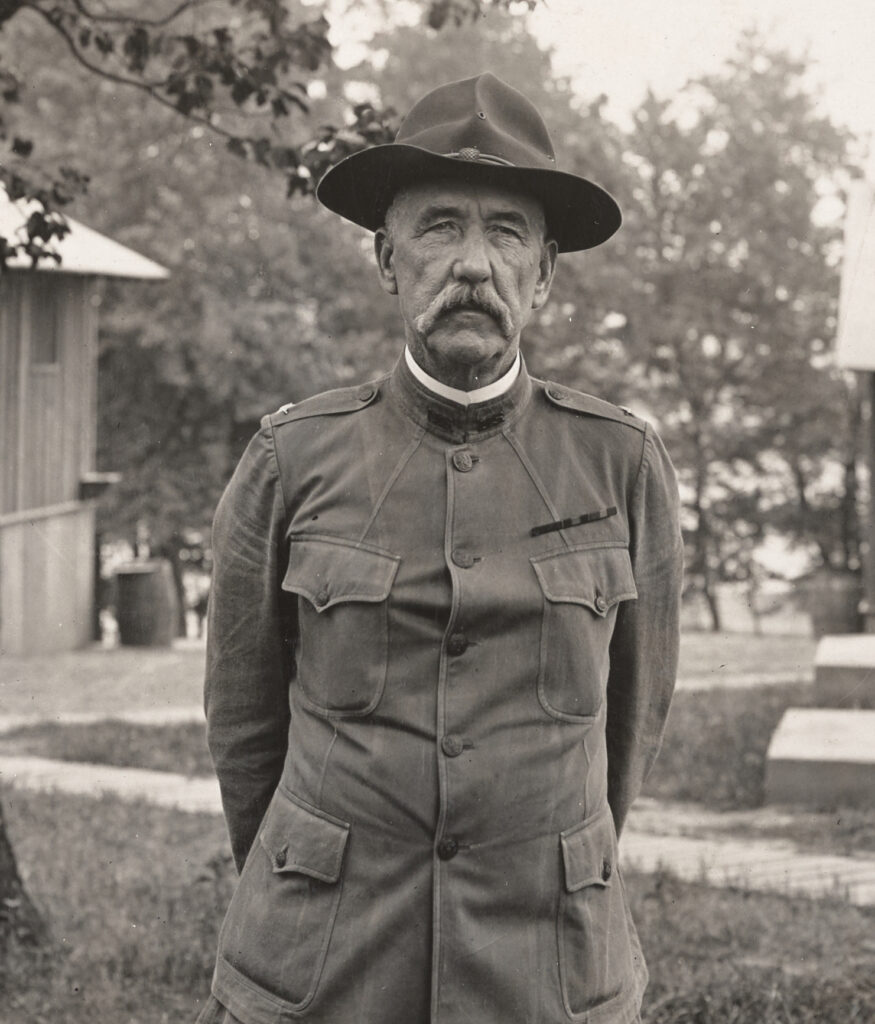
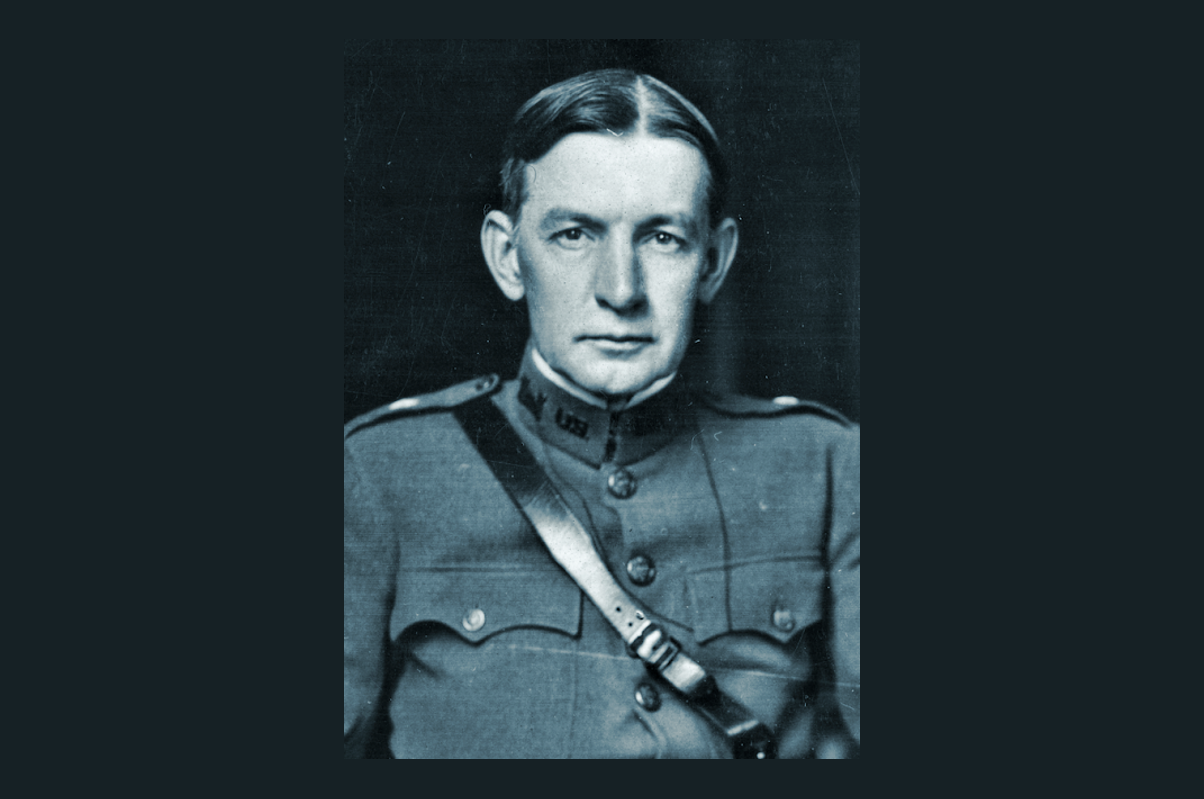
Brigadier General Joseph A. Gaston, Camp Meade, Maryland [16]
According the War Department publication, Training Regulations for Depot Brigades:[18]
Receiving depots involve the issuance of clothing and equipment, physical examinations involving the segregation of the physically unfit, and the assignment of the men to training battalions. Provide efficient basic training for the recruit, suitable and proportional to the length of time he is retained in the depot brigade.
Additional instruction included: “Regulations, Orders, Customs of the Service, etc. Sanitation, hygiene, cleanliness, venereal prophylaxis, etc. Elements of organization and general functions of units and individuals. Recognition of insignia and grades. Elements of military discipline, courtesy, authority of and relation to officers, noncommissioned officers, etc.”
The purpose of physical training in depot brigades “should be the initial set up of the soldier and his gradual hardening without strain.” Marching should be “daily for about one hour each without pack.”
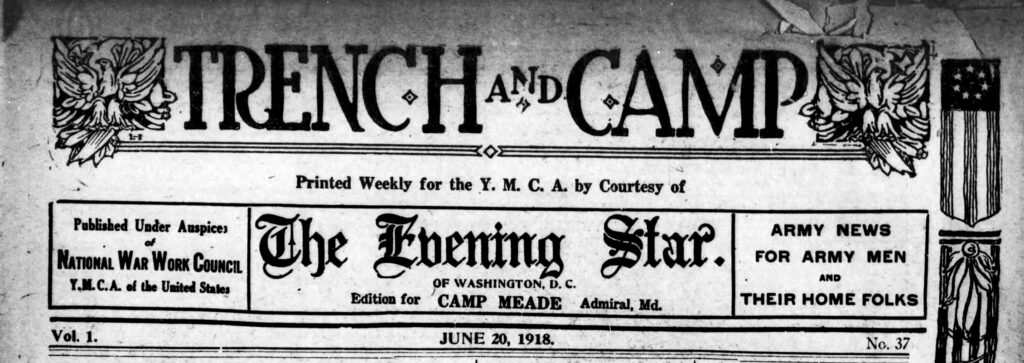
Masthead of the June 20, 1918 edition of the Trench and Camp newspaper. [19]
Samuel Merkel had apparently passed a cursory exam at his local draft board when he enlisted. A detailed physical exam took place upon his arrival at Camp Meade. He underwent a lengthy process of exams and reviews. It’s not known whether he presented any symptoms or if he had physical limitations that were observed during his training.
According to the Senior Historian at the U.S. Army Medical Department Center of History & Heritage, “… that he had some medical condition that they didn’t notice right away but quickly interfered with his duties so they sent him for further medical examination and decided he wasn’t going to get well quickly enough to be useful to the Army. Then the discharge process took time – those four reviews.” “I’d say the likeliest thing would be TB [tuberculosis].”[21]
Following a fourth endorsement by Headquarters, Camp Meade on Saturday, July 13, 1918, Samuel Merkel was issued a Certificate of Disability. On July 18, 1918, he was honorably discharged from the army.[22]
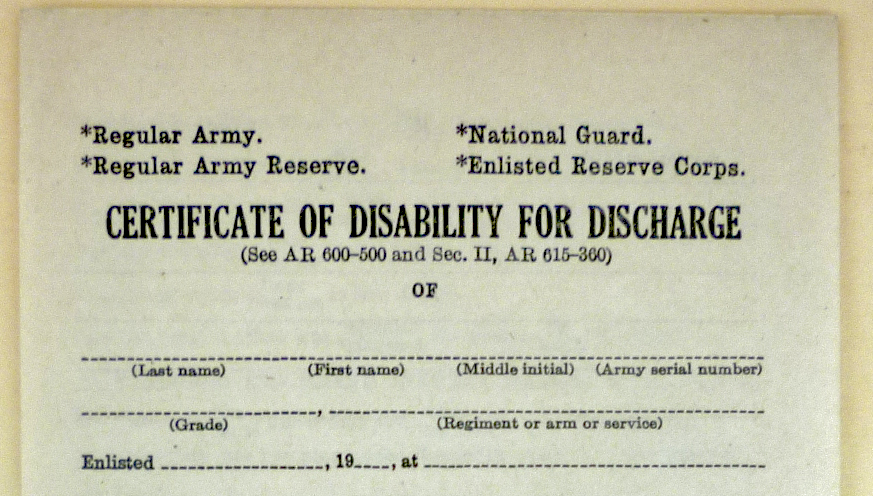
Cettificate of Disability form. (Note: This is a portion of the 1941 version of the form that is very close in appeaarance to the 1917 edition of the form. It is presented for clarity.) [23]
“When an enlisted man is permanently unfitted for military service because of wounds or disease, he should, if practicable, be discharged on certificate of disability before the expiration of the term of service in which the disability was incurred.” “Department commanders will use extreme caution in the exercise of the authority… to order discharge on certificate of disability, and will require, in all cases, before ordering such discharge, that the soldier shall have been held under observation for a sufficient length of time to determine that the disability is permanent. In addition, the soldier will be examined critically by a board of at least two medical officers.”[24]
He was given his Final Statement. He received his $18.00 pay for the portion of July in which he served. Additionally, $0.63 was provided for transportation to Baltimore which was based on $0.03 per mile and a distance of 21 miles.[25] The pay voucher was completed in handwritten cursive and hand-signed by [Captain] William C. Longstreth, it appears that a rubber stamp was used to affix his rank to the form. Perhaps it was overlooked that the stamp had his prior rank: “1st Lieut, N.A.[26] Also, the “L” in Lieut. was in a different style than that of his signature.
Postscript:
Samuel Merkel’s brother Lawrence and all 308 others aboard the U.S.S. Cyclops were declared deceased on June 14, 1918. When and how he learned of the tragedy is unknown. Later on, great uncle Sam married and had a daughter. He worked for many years as a buyer of several product lines for a Baltimore department store.
My Great Uncle Sam passed away in 1973 at the age of 84. No one, at that time, knew that he should have had a flag on his casket. I recall that there was a family gathering at the funeral home on the evening that he died. I was there, still in my uniform, having just completed a drill day in Headquarters Battery, 110th Field Artillery at the nearby Maryland National Guard armory in Pikesville, Maryland. In retrospect, I wondered, did my appearance in uniform bring back some recollections, from the surviving the elders in the family, of Samuel’s army service? No one said a word at that time.
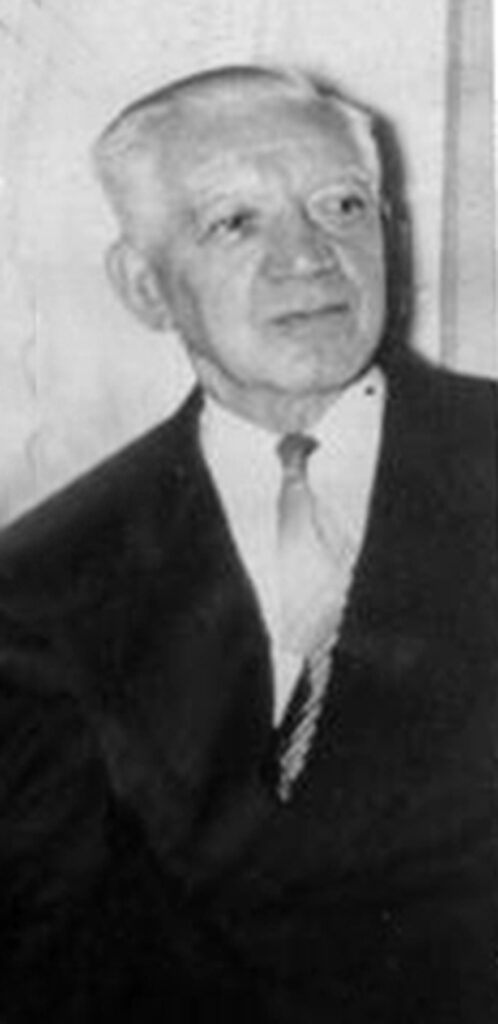
Samuel Merkel- undated photo, in his later years. [27]
Brigadier General Joseph Alfred Gaston
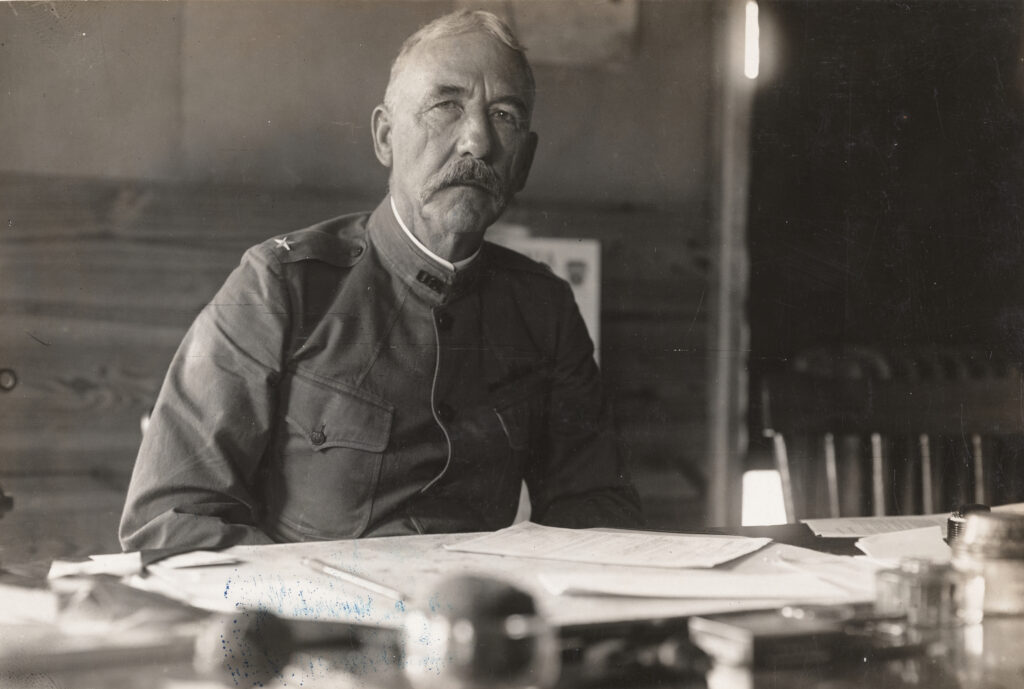
Brigadier General Gaston [29]
William Church Longstreth
Following his command of 5th Co., 154th Depot Brigade, William Church Longstreth remained at Camp Meade for his next and final assignment in the army with the 32nd Machine Gun Battalion. He was honorably discharged “for the convenience of the government, services no longer required” on December 14, 1918[31], a month after the armistice that ended the World War. Mr. Longstreth was a football official for several decades. In his later years, he was interested in children’s charities. He was president of the Board of Governors, Sunnycrest Home, Chester County, Pennsylvania. He passed away, at 67 years of age, on July 23, 1958. He was interred in Bala Cynwyd, Pennsylvania.[32]
Research Notes:
Multiple attempts to obtain my great uncle’s service record from the National Personnel Record Center (NPRC) in St. Louis were met with prepared remarks such that, “The Official Military Personnel File (OMPF) needed to answer your inquiry is not in our files. If the OMPF were here on July 12, 1973, it would have been in the area that suffered the most damage in the fire on that date that and may have been destroyed.”[33] Contained in the same envelope and to my great surprise and I must say, to their (NPRC) credit, was a very good photocopy of my great uncle’s final pay voucher that was issued to him. At first glance, this document didn’t seem to offer much as a consolation prize, but, in fact, contained many important details.
Based on my research of the military service of another family member, I was of the understanding that unit rosters were, just like the service records, in the care of the NPRC and could only be accessed in-person. I was again surprised to learn that some of the World War One unit rosters were available online at the Family Search Website.[34] Within that collection are search and help capabilities to aid the user to locate individual service members. That resource, made available by the National Archives and Records Administration (NARA), proved to be of great value as well. The bottom line from this research is that from shreds of documents grew a blossom.
[1] From the collection of the late Lawrence Barrash
[2] Author’s photograph
[3] Summary document, page 13, Case No. 400/158, U.S.S. Cyclops, Office of Aide for Information, Fifth
Naval district, Norfolk, Va., May 9, 1918, Naval Records Collection of the Office of Naval Records and
Library, National Archives and Records Administration, RG45
[4] Document EM-N-62-LM EA, Despatch for Telegram to Morris Merkel, Baltimore, Maryland, from:
Bureau of Navigation, Navy Department, Washington, D.C., April 13, 1918, Records of the Bureau of
Naval Personnel, National Archives and Records Administration, RG24
[5] Document EM-N-62-LM EA, Despatch for Telegram to Morris Merkel, Baltimore, Maryland, from:
Bureau of Navigation, Navy Department, Washington, D.C., April 13, 1918, Records of the Bureau of
Naval Personnel, National Archives and Records Administration, RG24
[6] “Baltimore and the Draft – An Historical Record”, Compiled by William Everett Bauer and John Paul Judge, Jr., 1919, Baltimore, MD.
[7] Final Statement (Pay Voucher), War Department Form No. 370, Samuel Merkel, July 18, 1918, Record Group 64, National Archives and Records Administration
[8] An Act To authorize the President to increase temporarily the Military Establishment of the United States, CHAP. 15; Sixty-Fifth Congress, Session. I. Chapter 15, 1917; Approved, May 18, 1917, Statutes at Large, Vol. 40, Library of Congress, Washington, DC
[9] Final Statement (Pay Voucher), War Department Form No. 370, Samuel Merkel, July 18, 1918, Record Group 64, National Archives and Records Administration
[10] Map, Military Reservation, Camp Meade, Anne Arundel County, Maryland, Sheet No. 5, 304th Engineers, Washington, D.C., January 1918, NAID: 137929275, Record Group 77, National Archives and Records Administration
[11] Pay in the Army, p. 99, Uncle Sam’s Fact Book of the World War, C.S. Hammond & Co., New York, N.Y., 1918
[12] The Record of the Class of 1913, Haverford College, p. 20, Haverford, PA
[13] Joy Packages at Meade, The Sun, p. 6, July 23, 1918, Baltimore, MD
[14] Gen. Gaston Advances Other Officers and Men, Trench and Camp, July 215, 1918, p. 1, Camp Meade, Admiral, MD, Printed weekly for the Y.M.C.A by The Evening Star of Washington, DC
[15] Service Card, William Church Longstreth, Pennsylvania Historical and Museum Commission
[16] Original Caption: “Brig. Gen. Jos. A. Gaston, in command at Camp Meade, Md.” Taken by: W.T. Mann. National Archives and Records Administration, Record Group 111
[17] New General in the Camp, The Evening Sun, p. 5, June 13, 1918, Baltimore, MD
[18] Training Circular No. 23, Training Regulations for Depot Brigades, War Plans Division, War Department Document 859, Office of the Adjutant General, September 1918 (Originally Classified CONFIDENTIAL; Declassified December 10, 1949)
[19] Collection – Chronicling America, Library of Congress
[20] Young Men’s Christian Association
[21] Emails to the author, dated March 31, 2026, from Sanders Marble, PhD, Senior Historian, U.S. Army Medical Department Center of History & Heritage, San Antonio, TX
[22] Maryland in the World War, 1917-1918, Vol. II, World War Service Records, p. 1407, Maryland War Records Commission, Baltimore, MD 1933
[23] Provided by Sanders Marble, PhD, Senior Historian, U.S. Army Medical Department Center of History & Heritage, San Antonio, TX, National Archives and Records Administration, RG112 (315-319.1 / Box 494)
[24] Certificates of Disability, p. 40, Regulations for the Army of the United States, 1913, Corrected to April 15, 1917,
War Department, Document No. 454, Washington, Government Printing Office, 1918
[25] Final Statement (Pay Voucher), War Department Form No. 370, Samuel Merkel, July 18, 1918, Record Group 64, National Archives and Records Administration
[26] NA – National Army, Maryland in the World War, 1917-1918, Vol. I, Abbreviations, p. 273, Maryland War Records Commission, Baltimore, MD 1933
[27] From the collection of the late Lawrence Barrash
[28] “Mr. Merkel”, Letter to the Editor, submitted by Sara Sigelman, published in the Evening Sun, p. A 18, October 19, 1973, Baltimore, MD
[29] Original Caption: Brig. Gen. Joseph A. Gaston, Commanding at Camp Meade, Md. Taken by: AB. Weintraub, National Archives and Records Administration, Record Group 111
[30] Army to Honor Gen. Gaston at Burial Today, Washington Herald, p. 11, April 2, 1937, Washington, DC
[31] Service Card, William Church Longstreth, Pennsylvania Historical and Museum Commission
[32] W. Longstreth, Ex-Coach, Dies, Philadelphia Inquirer, p. 27, July, 25, 1958, Philadelphia, PA
[33] Letter dated March 26, 2026, from National Personnel Records Center, St. Louis, MO
[34] Family Search website accessed March 2026: https://www.familysearch.org/en/wiki/United_States,_Enlisted_and_Officer_Muster_Rolls_and_Rosters,_Enlisted_Muster_Rolls_-_Inventory
 Marvin W. Barrash learned about the USS Cyclops as a child in his grandparents’ shop in Baltimore, and has been researching the fate of the vessel since 1997. He is the author of three books on the USS Cyclops mystery: U.S.S. CYCLOPS, Murder on the ABARENDA, and U.S.S. CYCLOPS Volume 2. He has appeared on a number of television programs about the USS Cyclops. His articles about USS Cyclops on the Doughboy Foundation website can be found here, here, and here.
External Web Site Notice: This page contains information directly presented from an external source. The terms and conditions of this page may not be the same as those of this website. Click here to read the full disclaimer notice for external web sites. Thank you.