A century of the ‘Ma Deuce’: How the M2 Browning became America’s workhorse machine gun
Published: 24 April 2026
via the Military Times website
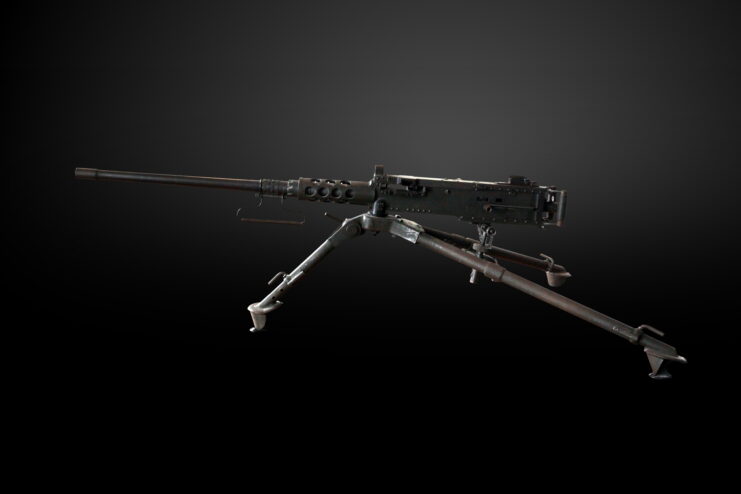
m2-machine-gun-at-musee-de-l-armee-img-7566-gradient-89422-741×494
M2 Browning .50 caliber heavy machine gun. (Photo Credit: Rama / Wikimedia Commons CC BY-SA 2.0)
Gen. John J. Pershing requested development of a multipurpose heavy machine gun the American Expeditionary Forces in WWI. We’re still using the result today.
For over a century the M2 Browning .50-caliber machine gun, known affectionally among troops as “Ma Deuce,” has been the staple small arms weapon in the United States military arsenal.
While certain enhancements have been made throughout the 20th and 21st centuries, the core of the gun has remained relatively unchanged. So much so that a doughboy could likely pick up the modern-day M2 and operate it.
The highly versatile weapon has seen action affixed to the wings of P-47 Thunderbolts and P-51D Mustangs. It has floated down the Mekong Delta on the decks of America’s “Brown Water Navy” aboard patrol boats and river vessels. And it has surveyed terrain mounted atop Humvees during the Gulf, Iraq and Afghanistan wars.
That the M2 has managed to outlast all other small arms weapon is a testament to its maker: John Moses Browning.
The ‘Thomas Edison’ of guns
Born in Ogden, Utah Territory, in 1855, Browning was the son of Mormon gunsmith Jonathan Browning who fathered 22 children with three wives.
John was lucky number 13 and spent much of his youth tinkering in his father’s workshop. By his mid-teens, Browning was a skilled metalworker in his own right and could repair or copy any gun dropped off at his father’s shop.
“As soon as I started to make the gun,” he recalled, “I found my head so full of parts that my greatest difficulty was sorting them out.”
Browning eschewed blueprints in favor of trial-and-error cutting, chiseling, drilling and filing. By 1879 the 24-year-old had filed his first of 128 firearm patents for what would become the Model 1885 single-shot rifle.
The prodigious inventor went on to design seminal military guns such as the Colt M1911 semiautomatic pistol, history’s most enduring semiautomatic pistol design; the Winchester Model 1897 pump-action shotgun, the devastating American “trench gun” of World War I that was so effective that it drew diplomatic protests from Germany; the M1895 gas-operated machine gun; the .50-caliber M2 machine gun; and the M1918 Browning Automatic Rifle — the BAR of World War II fame.
Author Nathan Gorenstein estimates that roughly 35–40 million firearms have subsequently been patterned after the inventor’s designs, and he even conceded that number is likely low.
“As Henry Ford was to automobiles, and Thomas Edison was to electricity,” the author writes, “Browning was to firearms.”
A war’s on
By 1917, the horrendous “butcher’s bill” of the Great War was already in the millions as a result of numerous technological weapons advancements introduced on the Western Front — from the machine gun, tanks to airplanes.
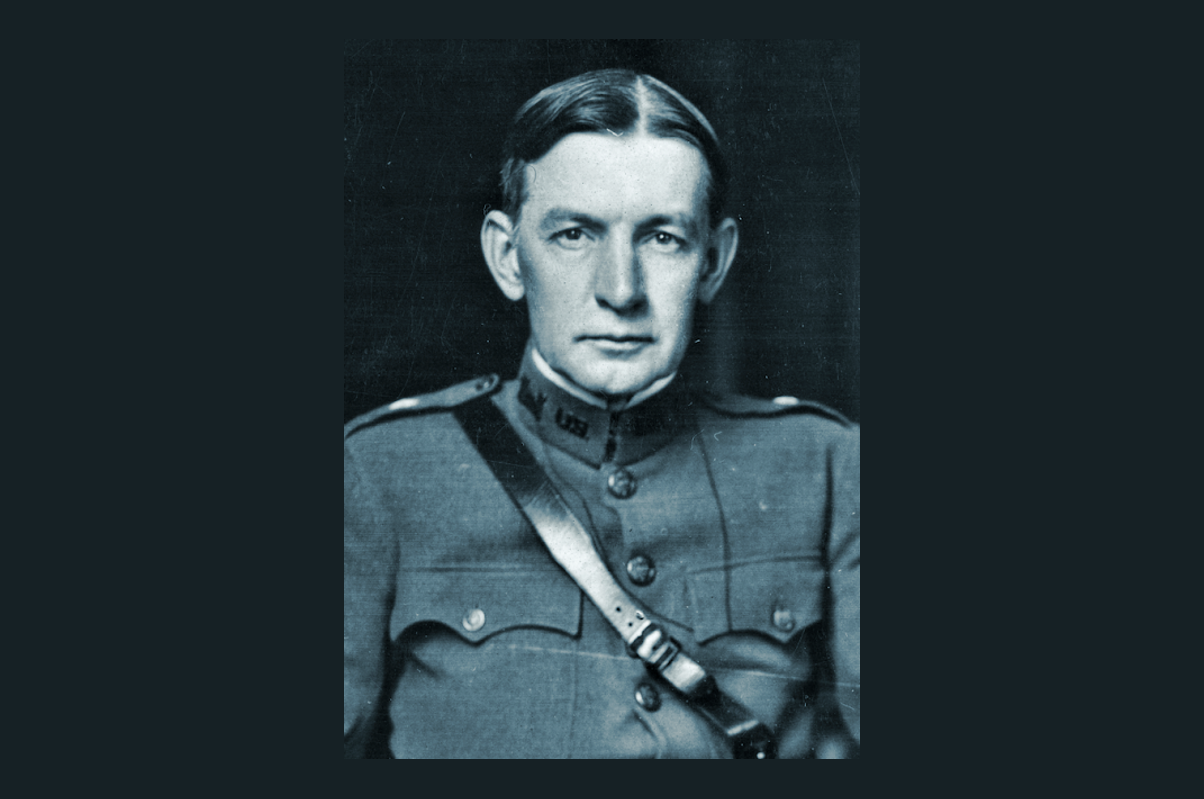
As American doughboys poured into France, Gen. John J. “Blackjack” Pershing, commander of the American Expeditionary Forces, requested the development of a multipurpose heavy machine gun in response to both German 13mm antitank rifles and the emergence of thicker enemy armor, according to the Army.
Read the entire article on the Military Times website here:
External Web Site Notice: This page contains information directly presented from an external source. The terms and conditions of this page may not be the same as those of this website. Click here to read the full disclaimer notice for external web sites. Thank you.