New Book Release: The World War I Doctor Who Helped Shape Modern Emergency Care
Published: 8 March 2026
By George Whitehair
Special to the Doughboy Foundation website
book cover framed
The remarkable life of Dr. Frank Boston
A new book is bringing national attention to the remarkable life of World War I veteran Dr. Frank Erdman Boston, a physician whose quiet innovations helped shape modern emergency medical care in the United States.
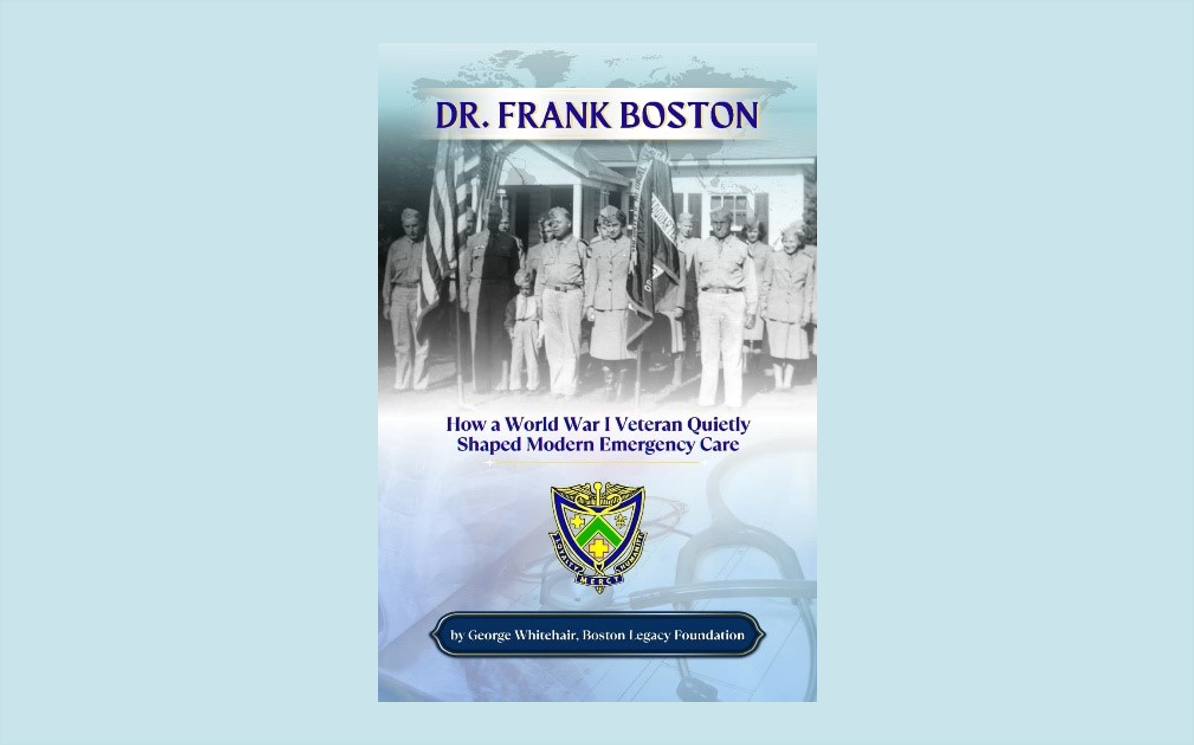
Dr. Frank Boston: How a World War I Veteran Quietly Shaped Modern Emergency Care, written by George Whitehair and published by Boston Legacy Foundation Press, tells the story of a soldier, doctor, and community leader whose influence reached far beyond his time.
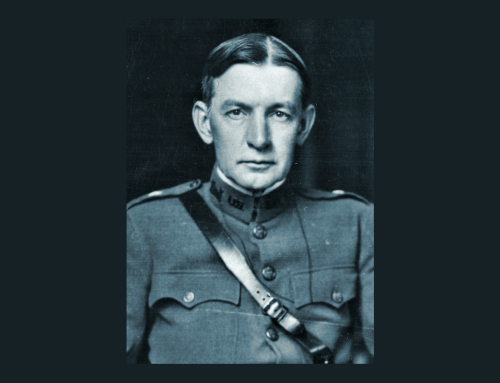
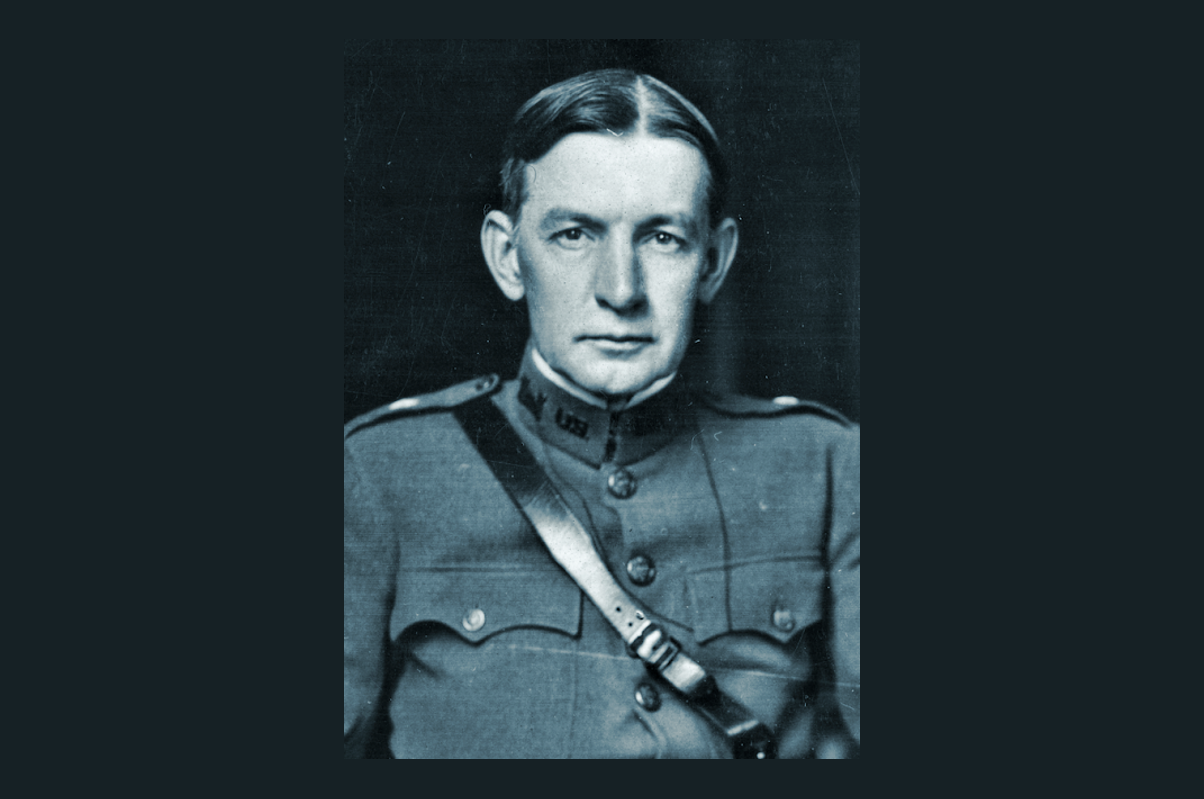
Dr. Boston, a graduate of Fort Des Moines, served as a medical officer with the 92nd Infantry Division of the American Expeditionary Forces during World War I. Stationed in France, he treated wounded soldiers under artillery fire and gas attack during some of the most dangerous moments of the war.
Those wartime experiences profoundly shaped his understanding of medicine and emergency response.
After returning home to Pennsylvania, Dr. Boston began building what would become one of the earliest organized emergency response systems in the United States. In 1933, decades before modern emergency medical services were formally recognized, he founded the Volunteer Medical Service Corps, a trained ambulance and first aid organization built on discipline, preparation, and community service.
Just one year later, during the height of the Great Depression, Dr. Boston founded Elm Terrace Hospital in Lansdale, Pennsylvania. The hospital welcomed both patients and physicians regardless of race or background and later evolved into part of today’s Jefferson Health system.
Throughout his career, Dr. Boston remained closely connected to the legacy of World War I and the broader history of African American military service. After the war he exchanged correspondence with civil rights leader W. E. B. Du Bois, who was documenting the contributions of Black soldiers during the conflict.
Although Dr. Boston’s accomplishments were extraordinary, his story gradually faded from public memory after his death in 1960. This new book seeks to restore his rightful place in American history.
The back cover of the book features reflections from Lt. General Scott Dingle, and the publication includes commentary and historical reflections from leaders across the country including historians, military officers, educators, and public officials who recognize the importance of Dr. Boston’s life and legacy.
The effort to restore Dr. Boston’s story has taken years of research and outreach across the country.
“We have brought this story a long way toward national recognition,” said George Whitehair, Executive Director of the Boston Legacy Foundation and author of the book. “What started as a local history has grown into something much bigger. People across the country are beginning to understand the importance of Dr. Frank Boston and what he accomplished.”
Whitehair said one moment stands out as especially meaningful.
“One of my favorite accomplishments was when we were able to bring members of the United States Army 3rd Infantry Regiment (The Old Guard), which serves as the Army’s Presidential Honor Guard in Washington DC, to participate in an EMS program honoring Dr. Boston,” he said. “It showed that the legacy of a World War I doctor from Pennsylvania could be recognized on a national stage.”
The book also includes reflections from leaders across many fields who recognize the importance of Dr. Boston’s life and work. “The voices in this book come from people across the country,” Whitehair explained. “We were honored to include perspectives from nationally prominent figures including the former Deputy Director of the United States Secret Service and the Dean of Drake Law School.”
Whitehair also noted an important historical connection tied to Dr. Boston’s military training. “Dr. Boston trained at Fort Des Moines during World War I,” Whitehair said. “Around that same period alumni from Drake University helped start the National Bar Association because the American Bar Association would not admit Black members at the time. These stories are connected. They show how that generation of leaders was determined to build new institutions and open doors that had been closed.”
“For me this book is about restoring a story that should never have been forgotten,” Whitehair added. “Dr. Boston came home from World War I and built institutions that saved lives and strengthened his community. His story deserves to be known.”
More information about the book and the work of the Boston Legacy Foundation can be found at www.bostonlegacyfoundation.com.
External Web Site Notice: This page contains information directly presented from an external source. The terms and conditions of this page may not be the same as those of this website. Click here to read the full disclaimer notice for external web sites. Thank you.