When the Maps Needed New Hands
Published: 4 February 2026
via the American Association of Petroleum Geologists website
maps-need-banner
How women geologists shaped American oil exploration during the Great War
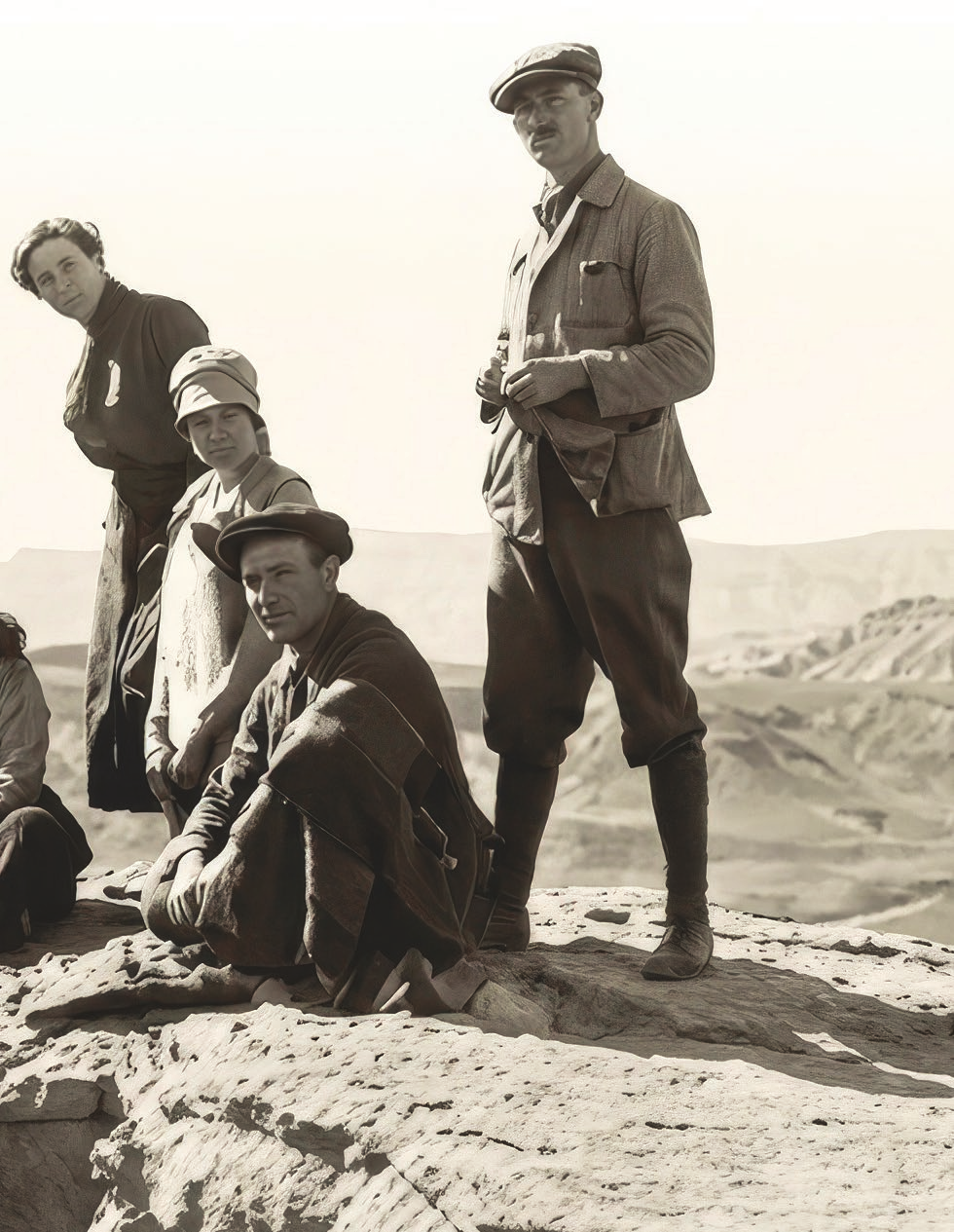
Elk Basin Field, Wyo. From left: Winifred Conkling, Marion Ream, Gracia Webster, Richard Conkling, and Herman Witkamp. (Roxoleum, 1918, vol. 1, no. 7, p. 4). DeGolyer Library, SMU.
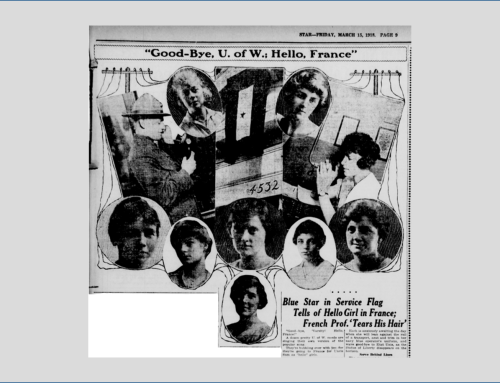
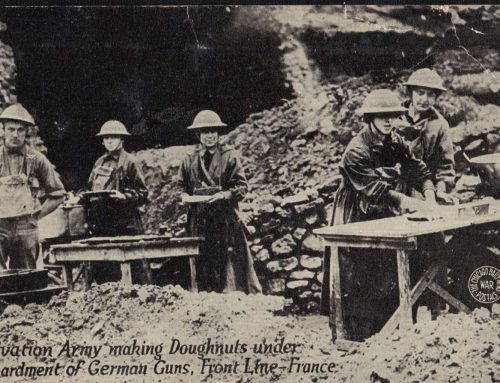
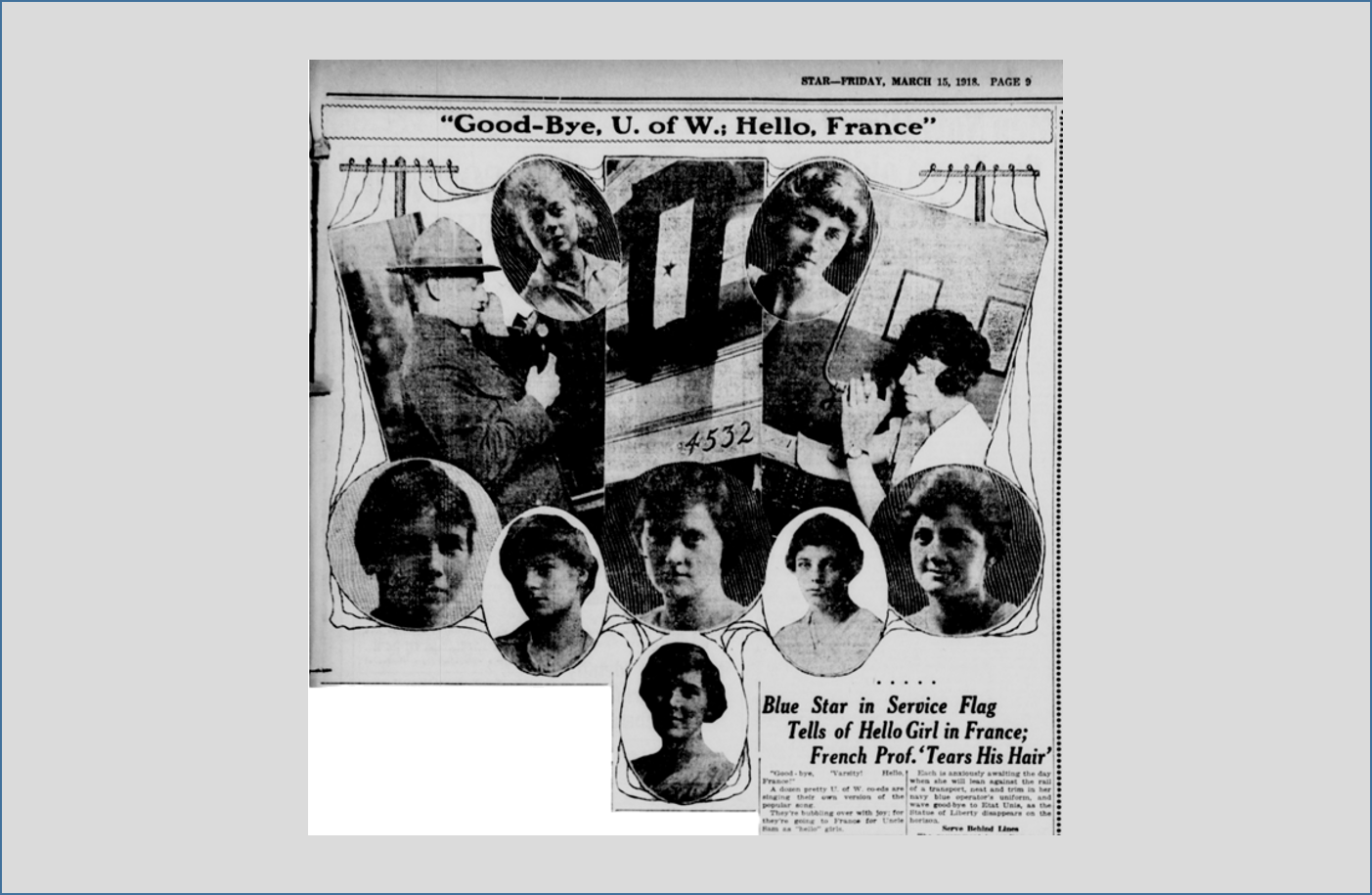
After the United States entered World War I in 1917, women began to enter the profession of petroleum geology. At that time, many men in the oil and gas industry volunteered for service or were drafted into the armed forces. To fill positions, oil and gas companies began to hire women. In former AAPG President Robbie Gries’ book, Anomalies, she honors Oklahoman and Texan women who worked in the petroleum industry. Women who worked in Tulsa – the center of the petroleum universe during WWI – were invited to attend AAPG annual meetings and become members. Anyone who worked outside of Tulsa either didn’t know about the annual meetings or didn’t attend, due to distance.
There are many women who worked as geologists in the western United States who have been largely forgotten by history.
Roxana Petroleum and the Cheyenne Office
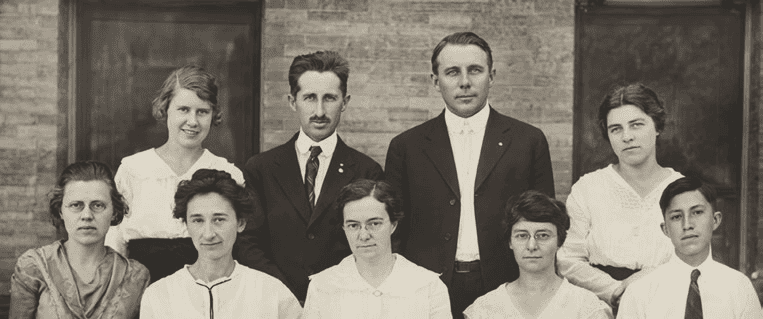
In the early 1900s, Royal Dutch Shell opened a U.S. subsidiary, Roxana Petroleum. Roxana, headquartered in Tulsa, opened offices in the major oil producing areas in the United States. The Roxana office in Cheyenne was opened by Max W. Ball, general manager and chief geologist. Ball (see Historical Highlights in the July 2024 Explorer) was hired by Roxana in 1917 because of his extensive experience in Rocky Mountain geology. He quickly began hiring staff for the office and by July 1918, the office in Cheyenne had 24 employees, including five geologists, five assistant geologists, two office geologists, staff for leasing, and general office staff.
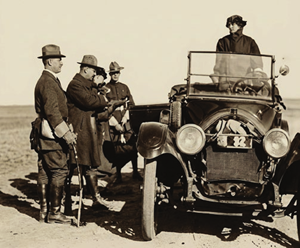
Vera Lund standing in vehicle and Elsa Lund outside the vehicle, while it is searched for alcohol by the Colorado State Constabulary. Seated in the vehicle is Roscoe Shutt. Colorado was a dry state, while Wyoming was a wet state (Roxoleum, 1918, vol. 1, no. 4, p. 32). DeGolyer Library, SMU.
Roxana was a leader in hiring women, mostly due to the wife of chief geologist Richard Conkling, Winifred Conkling. She was a geologist by training, who was prevented from working as a geologist since she was married. To work around that frustration, she convinced her husband and the president of Roxana, Willem A.J.M. van Waterschoot van der Gracht, to hire women in many of the company offices. This especially worked well since men were going off to the war. She would go on to recruit women from her alma mater, the University of Chicago.
At the time, I. C. White’s anticlinal theory of oil accumulation drove geologists forward in the search for anticlines. To find anticlines, new techniques were invented in the early 1900s by U.S. Geological Survey geologists. These techniques involved using plane tables and alidades to survey topography, creating shallow structure- contour maps, and then creating deeper structure-contour maps by projecting the shallow contours down to the targeted oil-bearing geologic units. A geologic surveying crew consisted of a geologist paired with an assistant geologist. One geologist would operate the plane table while another would operate the stadia rod. Both geologists surveyed elevations of various geologic outcrops. The geologic surveying crew would also survey topography and create shallow structure- contour maps of key marker beds. The preliminary maps and elevation data were brought back to the office.
In Cheyenne, office geologists would redraft and recontour the collected data, merging the different surveys together. The end products were surface topography maps, along with maps of the structure contours of various geologic units that outcropped at the surface, both of which were used to identify anticlines. Using these techniques, the Cheyenne office identified numerous anticlinal structures across Wyoming and Colorado. Roxana drilled a number of wells there between 1918 and 1921, and the Cheyenne office was closed by the end of January 1922. Before its closure, the office staffed several notable women early in their careers.
Read the entire article on the AAPG website here:
External Web Site Notice: This page contains information directly presented from an external source. The terms and conditions of this page may not be the same as those of this website. Click here to read the full disclaimer notice for external web sites. Thank you.